Global Warming Makes Many Assets... Uninsurable?

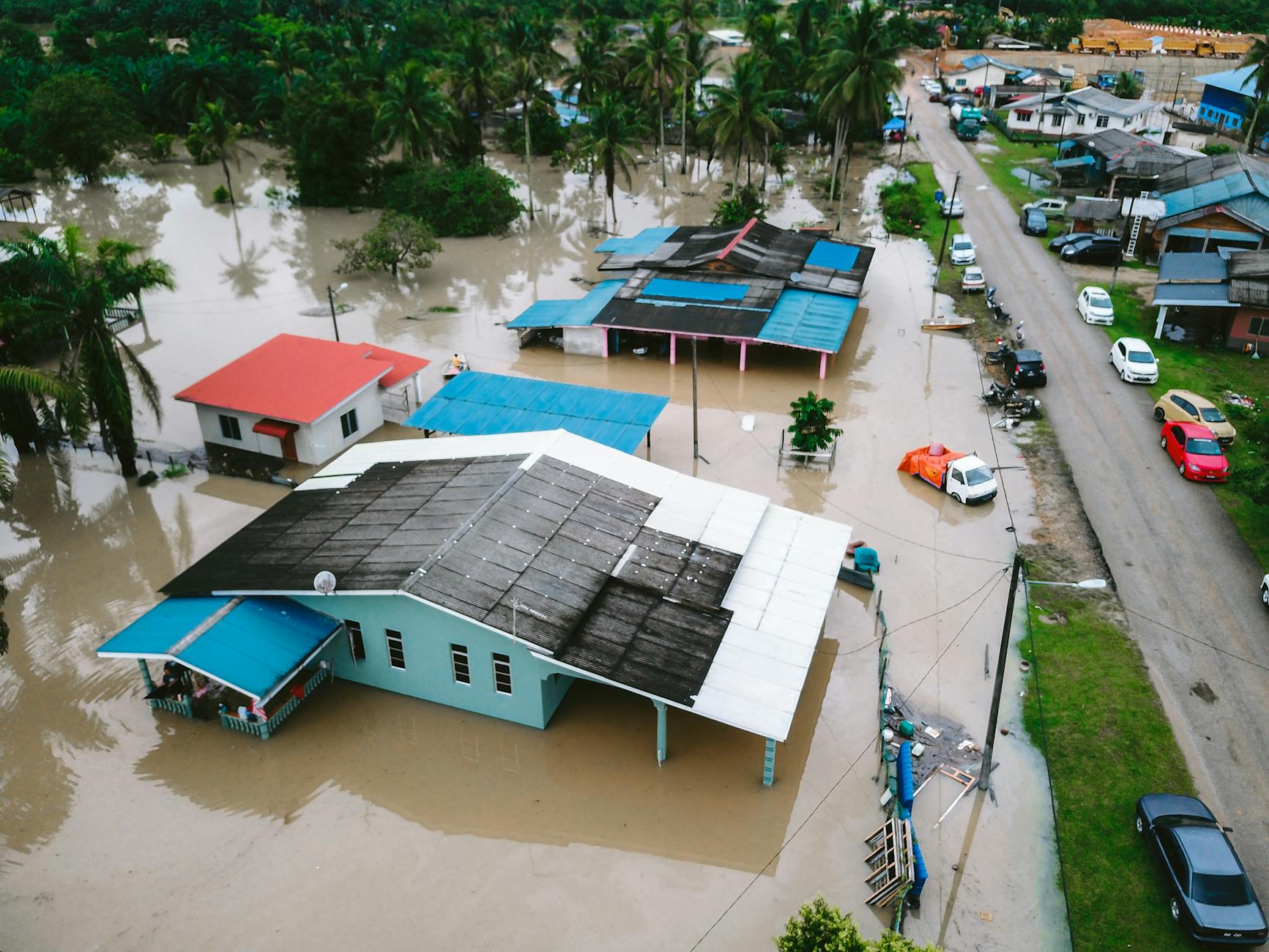
The financial world is sounding a stark warning: extreme weather events, fueled by man-made climate change, are rapidly making more and more assets too risky to insure. A top executive from Allianz, Europe's largest primary insurer, highlights that traditional insurance models are struggling to cope with frequent heatwaves, floods, and wildfires. This alarming trend signals a significant shift in how financial institutions assess risk, directly linking environmental urgency to economic stability. Urgent action towards sustainable solutions is not just an environmental imperative but a financial necessity.
A recent surge in extreme weather, like Europe's record-breaking heatwave, is pushing many locations and assets beyond the reach of traditional insurance. Guenther Thallinger of Allianz, a major insurer, explained that the increasing frequency and intensity of events like heat, floods, storms, and wildfires are challenging existing models. He noted that pricing insurance adequately for these risks would simply become unaffordable for many.
Scientists confirm human-caused climate change is behind these severe conditions, with Europe experiencing temperatures far above seasonal averages and heating up faster than other continents. This escalating risk is now a key concern for economists and financial analysts, representing a 'new downside risk' to economic growth, as highlighted by ING Group. Europe faces significant economic losses, impacting tourism, productivity, and supply chains if climate adaptation investments aren't made.
The insurance sector is at the forefront of responding to these changing risks. JPMorgan Chase & Co.'s climate advisory head, Sarah Kapnick, points out that insurance premiums are already rising, and the situation is projected to worsen dramatically. Banks are beginning to follow suit; Spain's BBVA is now adjusting loan prices for businesses based on their exposure to global warming, targeting sectors like agriculture, real estate, and infrastructure, with retail clients next.
Allianz is actively working with customers to find ways to adapt and avoid losing coverage. Thallinger stresses that simply acknowledging established climate science reveals a future of extreme weather, rising sea levels, and ecosystem damage if warming continues unchecked. Beyond physical risks, a company's commitment to reducing emissions is becoming a competitive advantage. Embracing the transition to cleaner, more sustainable operations is no longer optional; it's essential for both economic viability and our collective future, proving that 'climate action starts to become a defining element of competitiveness.' Ultimately, achieving net-zero emissions is crucial, as Thallinger states, without it, adaptation becomes 'open-ended' and the consequences severe.