Global Warming Research: Seven of Nine Earth “Guardrails” Broken

A new Planetary Health Check 2025 assessment warns that Earth has breached seven of nine planetary boundaries that keep the planet stable and liveable. Ocean acidification has officially moved outside the safe range for the first time, joining earlier transgressions in climate, biodiversity, land use, freshwater, nutrient pollution and novel chemicals. The report highlights record-high CO₂ concentrations, accelerating warming, shrinking and degraded forests, and growing disruptions to rivers and soils, while noting two bright spots: a recovering ozone layer and declining aerosol pollution. The authors warn that rising pressures increase the risk of tipping points but emphasize that targeted action can still steer the system toward safety.
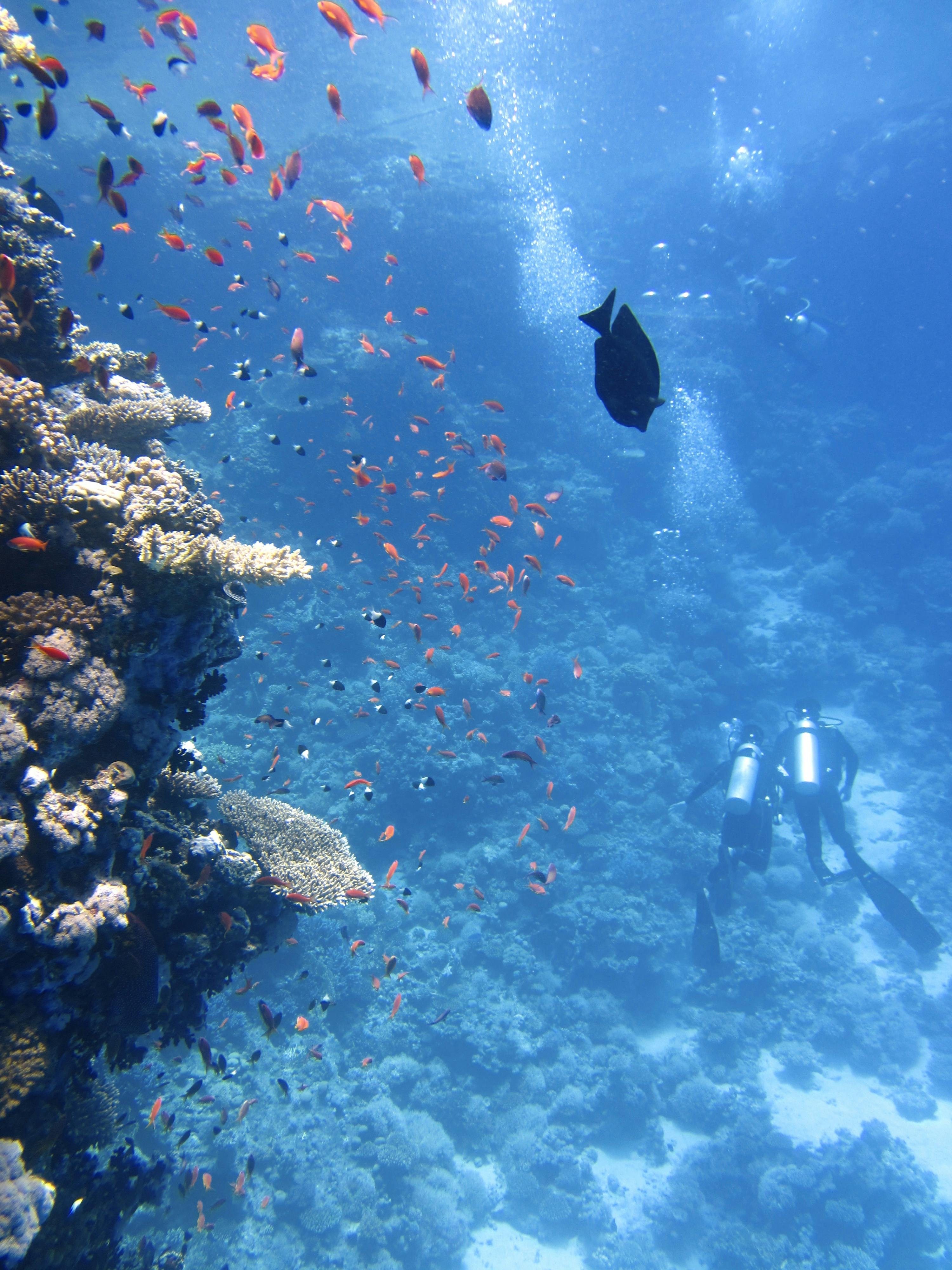
Think of a check-up at the doctor—only this time the patient is the planet. The 2025 Planetary Health Check concludes that humanity has pushed seven of nine Earth-system “guardrails” past their safe limits, increasing the risk of abrupt, hard-to-reverse shifts in climate and ecosystems. The headline change this year: the ocean’s chemistry. Scientists report that the global aragonite saturation state—an indicator of seawater corrosiveness for shell-forming life—has fallen to about 2.84, below the revised safety line of 2.86. That places ocean acidification among the breached boundaries for the first time.
Climate signals continue to flash red. Atmospheric CO₂ is estimated at roughly 423 ppm and total human-driven radiative forcing at about +2.97 W/m²—both well beyond the framework’s risk thresholds, with no sign of stabilization. The report also points to rising roles for methane and nitrous oxide, and to early-warning signs around potential tipping elements such as the Amazon rainforest, Atlantic overturning circulation and polar ice sheets.
Nature’s fabric is thinning. Extinction rates remain orders of magnitude above what’s considered safe, and people now appropriate about 30% of the planet’s net primary production, triple the boundary level—eroding ecosystems’ capacity to buffer shocks. On land, global forest cover sits near 59%, well under the 75% safety benchmark, with quality and connectivity also declining even as the pace of outright loss has slowed.
Water systems are straining, too. Human-driven deviations in streamflow affect about 22.6% of land area and in soil moisture about 22.0%, roughly twice the safe levels, reinforcing droughts and floods in major basins from the Indo-Gangetic Plain to northern China. Nutrient pollution remains deep in the high-risk zone: annual agricultural nitrogen fixation is ~165 Tg N (vs. a 62 Tg boundary) and phosphorus application is ~18.2 Tg P (vs. 6.2 Tg). Together, these pressures degrade rivers, coasts and biodiversity.
Two indicators offer cautious optimism. The interhemispheric aerosol difference—a proxy tied to air pollution—has dropped to about 0.063, within the safe range, and the ozone layer continues its slow recovery at roughly 286 Dobson Units on average, thanks largely to the Montreal Protocol. These improvements underscore that coordinated policy can work when backed by science, monitoring and enforcement.
The authors argue that solutions should target “leverage points” across the system: rapidly cutting fossil fuel use; protecting and restoring forests and ocean ecosystems; redesigning agriculture to curb nitrogen and phosphorus surpluses; tightening controls on novel chemicals and plastics; and scaling better water management. A new Planetary Boundaries Initiative—built around an AI-supported “PBAnalyzer” to keep diagnostics fresh and decision-relevant—is proposed to connect data, expert judgment and action. The window to return to a safe operating space is still open, they write, but closing fast.