Global Wildfire Fight Strains: What’s Pushing Them to the Brink?

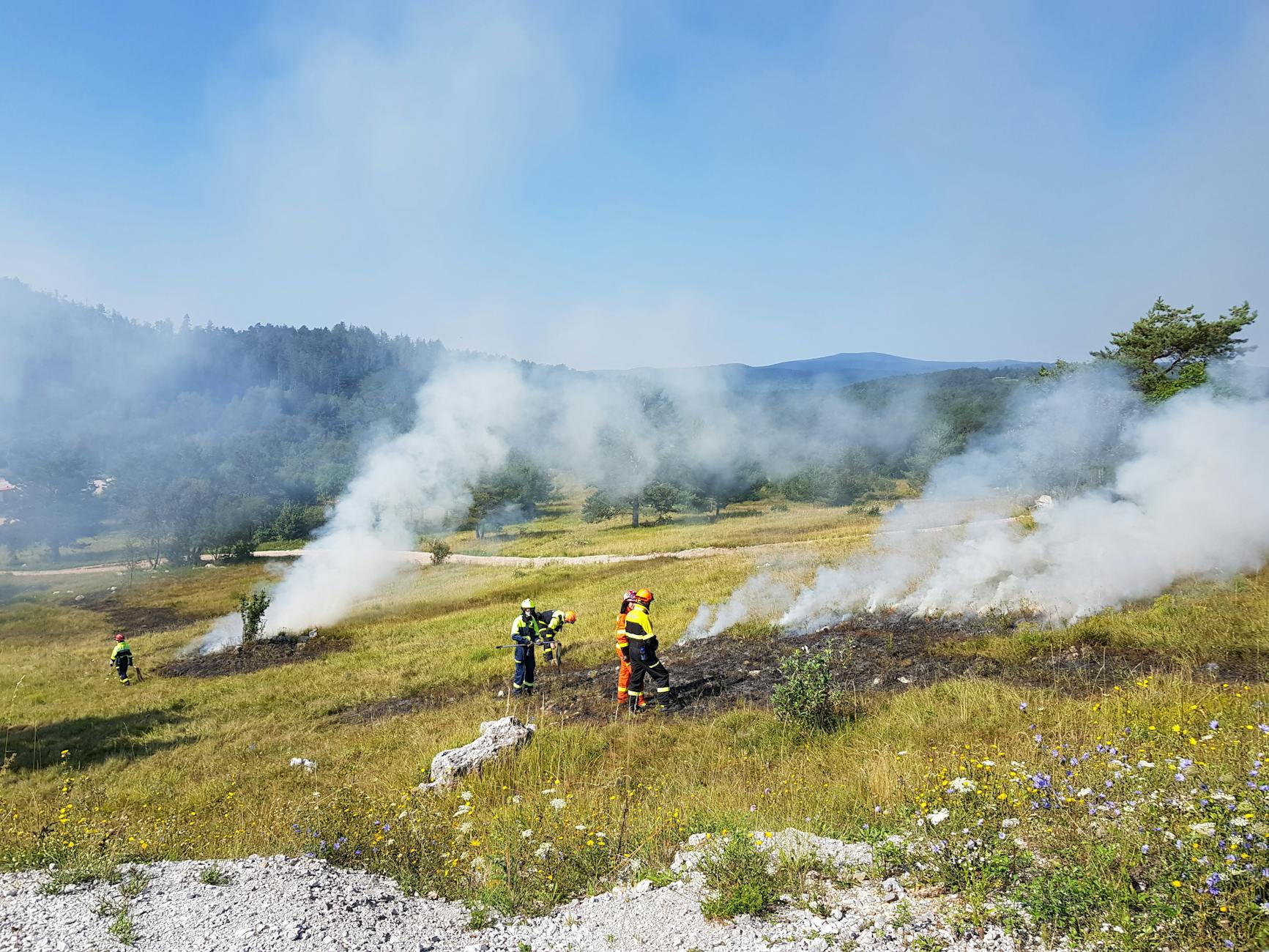
Around the world, from France and Spain to the Pacific Northwest, massive wildfires are testing the limits of international cooperation. While countries have historically shared firefighting resources during severe seasons, climate change is making these fires so widespread and intense that governments are struggling to assist each other. This escalating crisis highlights a critical gap: our firefighting capabilities haven't kept pace with a warming planet, threatening communities and vital ecosystems globally.
In recent years, firefighters have increasingly crossed borders to help tackle severe blazes. Experts note this trend is a direct result of climate change making wildfires worse. However, fire seasons have become so severe that this crucial sharing model is now under immense pressure. As one wildfire scientist put it, there’s “more international cooperation happening, but it’s a double-edged sword because there’s more competition.”
Wildfires now burn more than twice the area annually compared to 20 years ago, according to data from the University of Maryland. This century’s worst fire years have mostly occurred since 2021. Europe, for example, has seen 31 percent more area burned this year compared to the same period in 2025, leading to massive evacuations. In the United States, over 5.7 million acres have burned this year, already surpassing all of 2025.
Scientists confirm that climate change is largely to blame. A rapid study found that the hot, dry conditions fueling fires in Spain were 20 times more likely now than in pre-industrial times, according to the World Weather Attribution. Warmer air dries out vegetation faster, making landscapes more flammable. While human activities also contribute to starting most U.S. wildfires and more people are living in fire-prone areas, the fundamental relationship between a hotter summer and more burned land is undeniable.
Adding to the challenge, new research published in Science Advances reveals that extreme “fire weather” is now happening simultaneously across different regions of the globe more often. This overlap reduces the critical windows for countries to coordinate firefighting efforts, further straining existing partnerships like those between the U.S. and countries such as Australia and Canada.
Traditionally, countries like the U.S. and Canada have regularly exchanged resources. For instance, the U.S. has sent or received aid across borders in each of the last 10 years. However, both the U.S. and Canada are currently at their highest fire preparedness levels, meaning resources are fully committed. This effectively prevents them from helping each other when both are in dire need, forcing countries to look further afield for assistance.
Experts emphasize that we must shift our approach to wildfires, moving beyond just suppressing them to learning how to coexist. This involves strategic land management, like clearing excess vegetation and using prescribed burns, alongside making homes more resilient to flames. These sustainable practices are crucial steps in mitigating the devastating impact of these climate-driven disasters.
Concerns about strained international relations and government staffing cuts, especially in the U.S., also play a role. A former U.S. Forest Service chief recounted how Canadian teams once crossed the border to fight a fire she couldn’t staff. Such acts of mutual aid are vital, highlighting the importance of strong global partnerships in the face of a rapidly warming world. As wildfires become a truly global problem, collective action and mutual support are more critical than ever.