Global workplaces hide a rising danger: What's making them deadly?

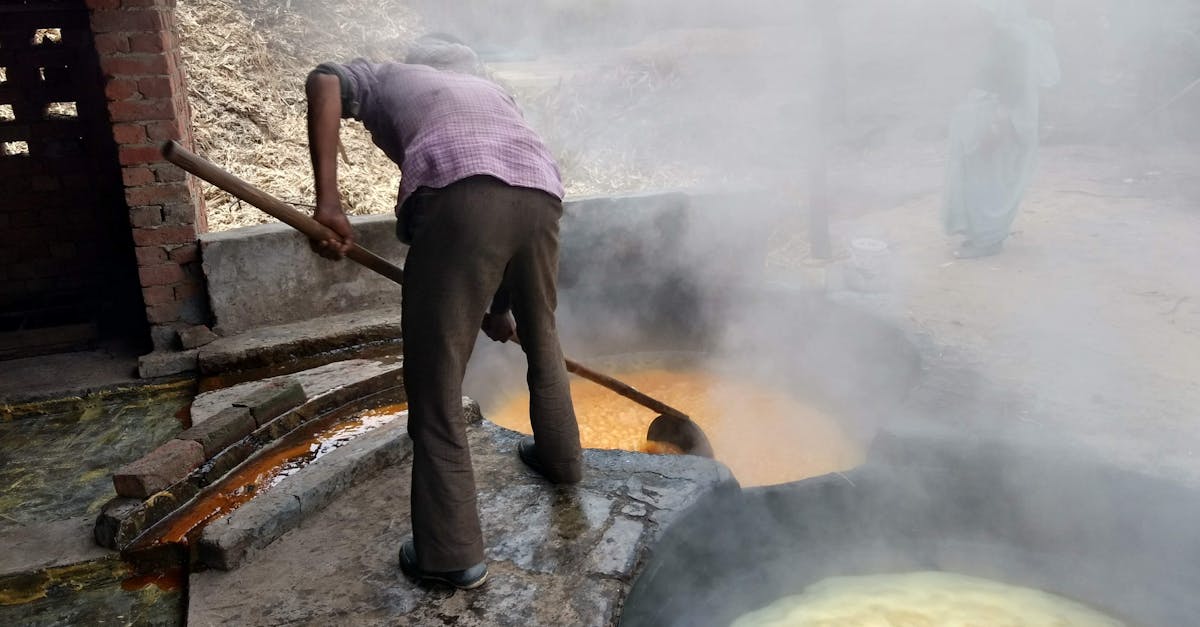
Suvarna Yadav’s fractured wrist from working in India's scorching sugarcane fields highlights a dangerous trend. Across the globe, extreme heat, fueled by a changing climate, is making workplaces increasingly perilous. Doctors and scientists confirm that rising temperatures are leading to more fatigue, dehydration, and serious injuries, even fatalities. This urgent issue impacts billions of workers, especially those in vulnerable sectors, underscoring the critical need for climate action and stronger safety measures.
Suvarna Yadav's story in India's sugarcane fields is a stark reminder of how extreme heat is transforming workplaces. Forced to continue working in temperatures over 42 degrees Celsius (107.6 F) to avoid losing her job, she fractured her wrist, yet kept lifting heavy loads. Her experience reflects a growing problem, as many in her village now suffer work-related injuries during peak heat, with some losing fingers due to impaired focus around machinery.
Experts worldwide are connecting rising global temperatures to a clear increase in occupational injuries. Heat exposure leads to exhaustion, dehydration, muscle spasms, and even deadly heatstroke. Over 2.4 billion workers face excessive heat globally, resulting in millions of injuries and thousands of fatalities each year. These numbers are likely underestimated, as many incidents go unreported or are not directly linked to heat. Research shows that thermal discomfort makes workers less alert, slows reaction times, and impairs judgment and coordination, turning routine tasks into dangerous situations. Practical issues like sweaty palms or fogged safety glasses also contribute to accidents.
Studies from various countries illustrate this dire trend. In the United States, an analysis of 845,000 work injuries showed that risks sharply increase when the heat index—which considers both heat and humidity—exceeds 85°F, jumping by 20% or more at 110°F. Humidity is crucial because it hinders the body's natural cooling process. Italy has linked extreme heat to over 25,000 workplace injuries in just five years, with productivity falling and compensation costs soaring. Projections from South Korea suggest severe injuries could rise over 15% by the late 21st century, a pattern echoed in Australia and China, where a 1°C rise in temperature increases injury risk by 1%. Even in Illinois, hospital data revealed more injuries on hotter summer days, particularly among young workers.
Preventing these heat-related injuries requires immediate action. Simple, low-cost measures like providing access to water, offering shaded rest breaks, and rescheduling demanding tasks to cooler parts of the day can make a big difference. Awareness of risks is paramount; many wrongly believe temperature is the only factor, overlooking humidity, or that younger workers are less susceptible. In fact, many heat-related deaths occur early in a worker’s tenure. Governments also need to develop targeted prevention strategies, like Italy’s Worklimate project, which issues heat alerts and identifies high-risk areas. Such early-warning systems are vital given the escalating climate crisis.
The burden of extreme heat is often unequal. Many countries lack comprehensive heat safety standards, leaving workers vulnerable. Informal workers, often paid by the piece, face even greater pressure to push through the heat, discouraging breaks, hydration, and injury reporting. This leads to untold suffering and unrecorded accidents, masking the true scale of the problem. As climate change continues to intensify heat waves, collective global action is essential to protect workers and ensure safer, more sustainable working conditions for everyone.