GM's Detroit EV Battery Plant Closes: What It Means for Future

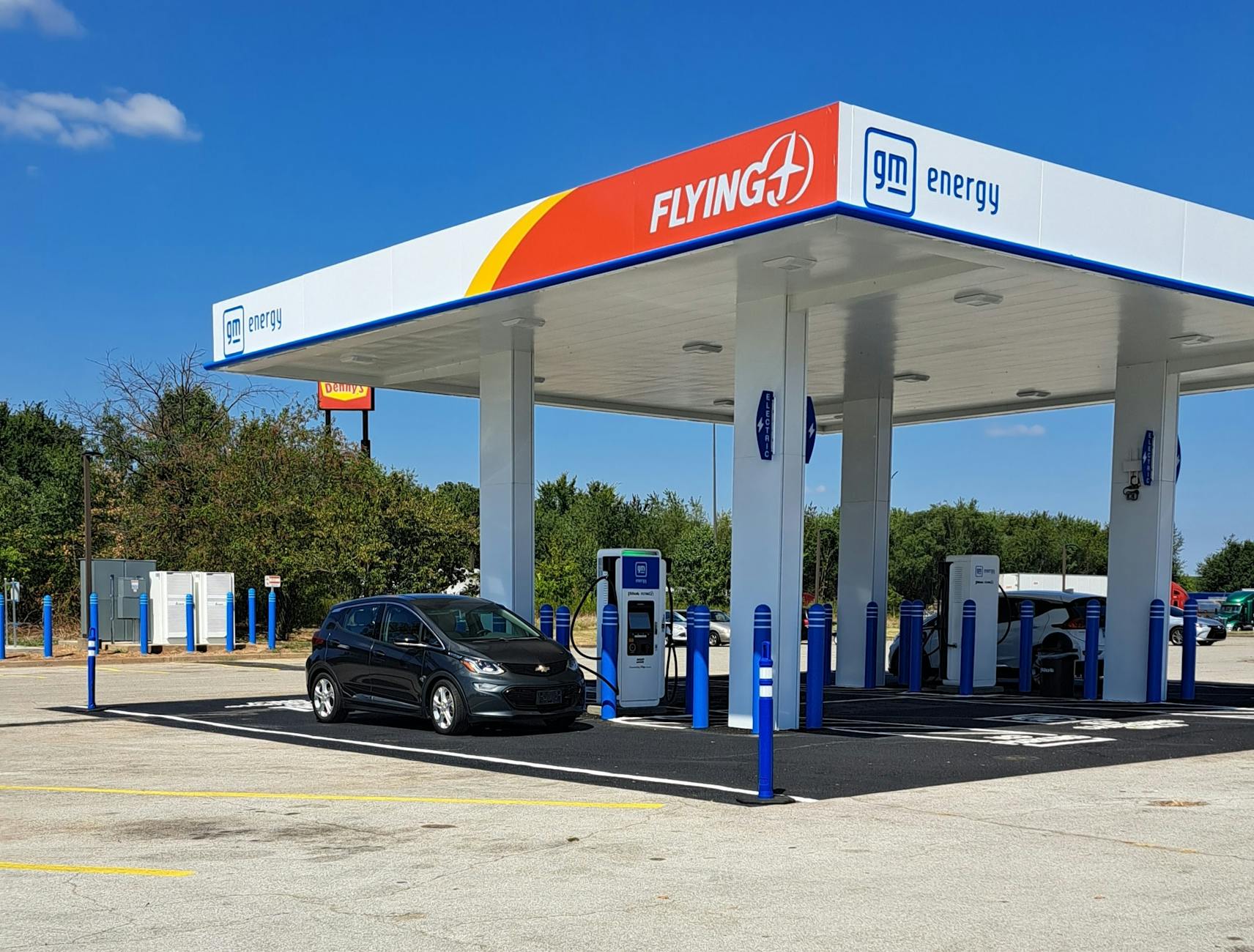
General Motors is set to close its Brownstown Battery Assembly plant in Detroit by next summer, a facility once crucial for producing high-voltage batteries for electric vehicles like the Cadillac Celestiq. This decision signals a significant shift in GM's manufacturing focus, moving away from its previous emphasis on electric solutions and prioritizing gas-powered vehicles instead. The closure comes amidst broader challenges in the EV market, including reduced demand and the removal of federal tax credits, making the path to widespread electrification seem less certain for the automotive giant. This move could have implications for the pace of sustainable transportation.
General Motors is closing its 480,000-square-foot Brownstown Battery Assembly plant in Detroit by next summer, as its lease concludes. This facility was once responsible for manufacturing high-voltage batteries for premium electric vehicles such as the Cadillac Celestiq and the Chevrolet Corvette E-Ray, along with drive units for the sports car. The confirmation of this closure came from General Motors, as reported by Automotive News.
This move is part of a larger strategic shift for GM, which is now prioritizing the production of traditional gas-powered vehicles. The company has faced substantial financial setbacks, absorbing billions of dollars in losses linked to its evolving powertrain strategies. In recent years, GM has also withdrawn from significant battery manufacturing partnerships, including exiting a joint venture with Samsung SDI for a plant in Indiana and stepping away from a Michigan facility with LG Energy Solution. These actions signal a re-evaluation of its commitment to rapid electrification.
The impact of reduced production at the Detroit plant was felt by its workforce, which decreased from around 300 employees at its peak to fewer than a dozen. These affected workers were offered opportunities at other GM facilities in the region. Adding to its adjustments, GM is also seeking new uses for a hydrogen fuel cell facility in Detroit that previously saw a development deal with Honda fall through, largely due to concerns over profitability in that emerging clean energy sector.
A major factor driving GM's reconsideration of its EV strategy has been weaker-than-expected consumer demand. The removal of the $7,500 federal tax credit for electric vehicles last year significantly impacted sales across the industry. GM's own EV sales plummeted to 25,472 units in the third quarter, a sharp decline from 66,501 units during the same period the previous year. This dramatic shift highlights the challenges in accelerating the transition to electric vehicles and underscores the critical need for consistent support to foster sustainable transportation and combat global warming. Embracing electrification remains key to a cleaner future, offering benefits like reduced emissions and improved air quality compared to fossil fuel alternatives.