GM's Q3 Profits Soar: What Remains on the Road to Zero Emissions?

General Motors (GM) recently announced robust third-quarter 2026 earnings, demonstrating significant financial growth fueled by its core North American business. Notably, new energy vehicles (NEVs) also achieved a milestone in China, making up over 60% of its sales there. These results highlight GM’s ongoing efforts to balance profitability with essential investments in electrification and renewable energy. The company is strategically addressing its substantial emissions challenge, striving to shift towards more sustainable operations and product lines crucial for our planet's future.
General Motors reported an impressive third quarter, with revenue climbing to $50.02 billion and net income attributable to shareholders surging to $3.34 billion. This financial strength was largely driven by its North American operations, which saw a 43.4% increase in adjusted earnings before interest and taxes.
While international results were weaker, GM’s improved cash flow allowed for a new $20 billion share repurchase program, signaling confidence in its financial outlook. The company expects sustained performance through new vehicle launches and cost management, but long-term success will hinge on its ability to integrate electric vehicles and energy services into its core business.
In China, GM achieved a significant milestone as new energy vehicles — including battery electric, plug-in hybrid, and extended-range electric vehicles — accounted for over 60% of its third-quarter sales. Models like the Buick ELECTRA E7 and Wuling Bin Guo contributed to this shift. This success shows GM's commitment to cleaner mobility in a crucial market, even as the company navigates the competitive landscape and profitability of these new technologies.
Beyond sales, GM is making strides in reducing its direct operational carbon footprint. It has cut combined Scope 1 and Scope 2 emissions by 52% since 2018, aiming for carbon neutrality across its global operations and products by 2040. This progress is vital, but the larger climate battle lies with its enormous Scope 3 emissions, primarily from the use of vehicles it sells, which stood at approximately 365.5 million metric tons in 2025. Tackling this requires a swift and complete transition to cleaner, electric transportation.
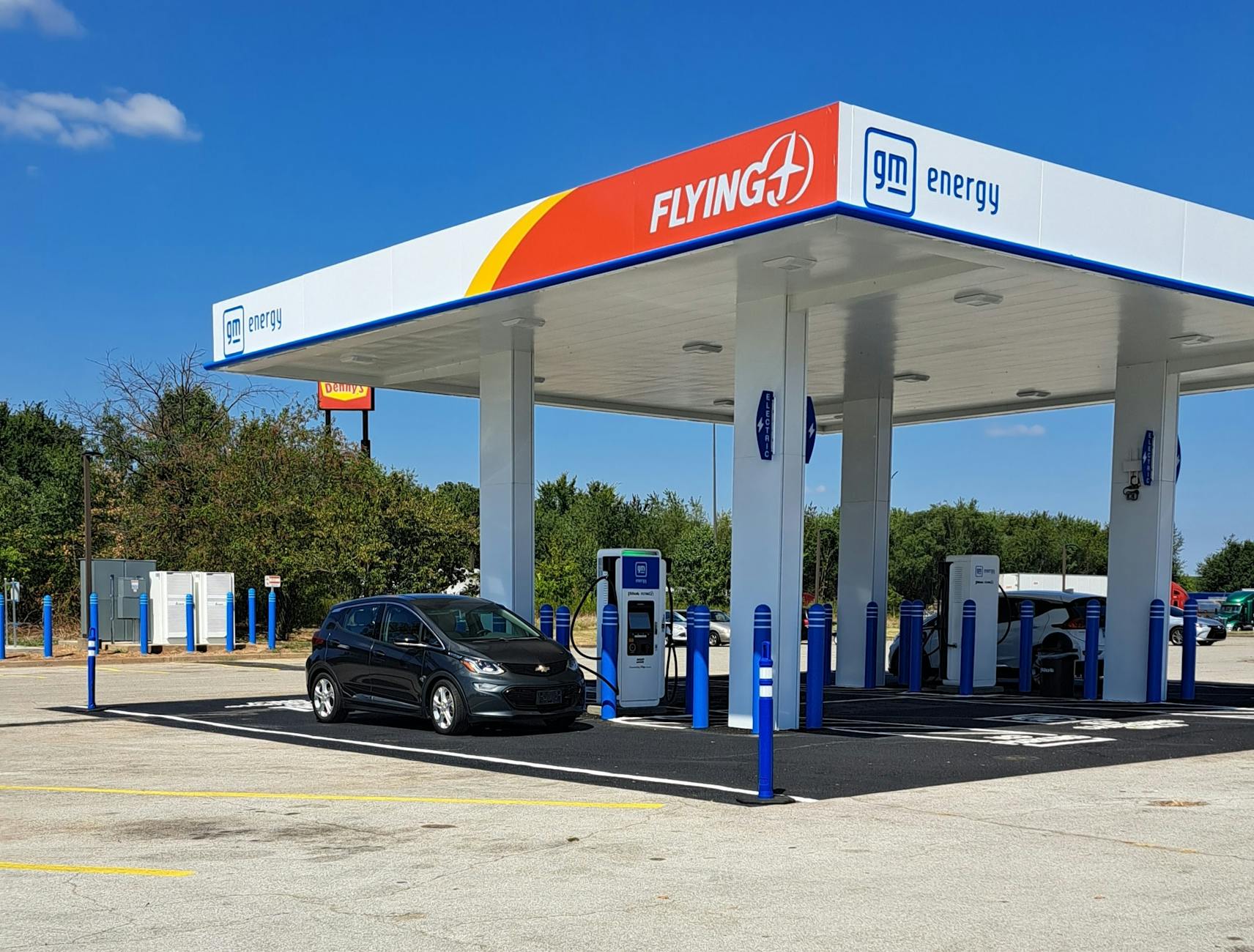
To power this transition, GM has matched 100% of its U.S. electricity consumption with renewable sources and aims for 100% globally by 2035. Its GM Energy initiative also explores battery storage solutions, including vehicle-to-home technology and repurposing used EV batteries, which are crucial steps towards a stable, clean energy grid. These efforts underscore the urgent need for comprehensive sustainable solutions across the entire automotive ecosystem, showing how electrification is not just about new cars, but a fundamental shift in energy use.
Ultimately, GM's financial health is becoming increasingly intertwined with its environmental performance. Its capacity to innovate and invest in electric solutions while maintaining profitability will not only define its competitive edge but also play a critical role in the global fight against climate change.