“God Squad” Meets: What Future Awaits Gulf's Endangered Wildlife?

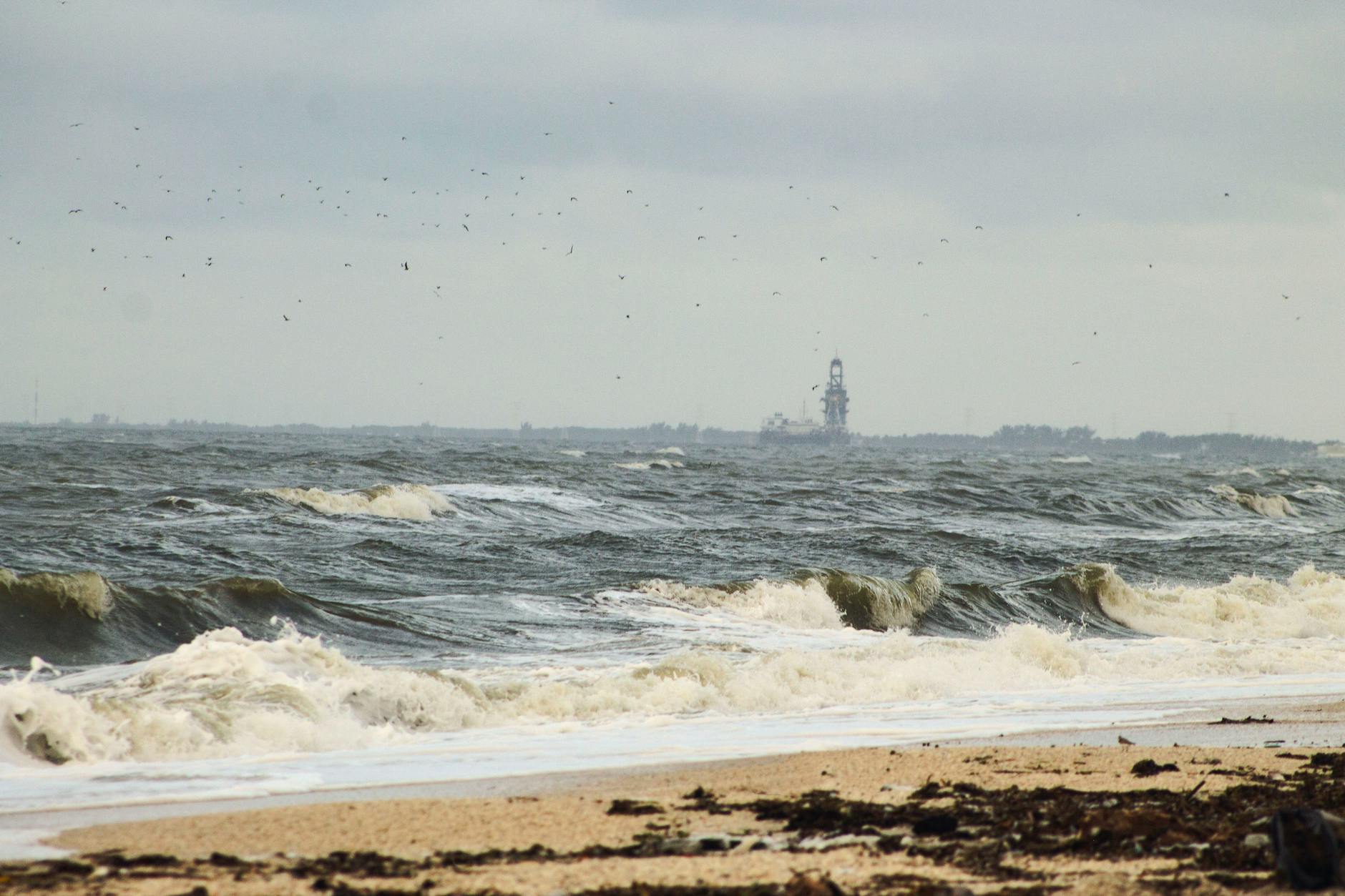
A controversial panel, nicknamed the “God Squad,” is set to decide the fate of endangered marine life in the Gulf of Mexico. The Trump administration is pushing to waive Endangered Species Act protections for all federal oil and gas operations, citing national security concerns. This unprecedented move could significantly impact species like the critically endangered Rice's whale, numbering only 51 individuals, and several sea turtle species. Environmental groups argue this is a reckless power grab, as experts doubt the national security claims and emphasize the profound risks to the delicate Gulf ecosystem from increased drilling and potential oil spills. The decision highlights the urgent need to prioritize environmental protection over short-term fossil fuel interests.
The “God Squad,” officially known as the Endangered Species Committee, is a rare panel designed for extreme emergencies, having only lifted environmental protections twice in its almost 50-year history. Now, the Trump administration seeks an unprecedented, sweeping exemption for all federal fossil fuel operations in the Gulf of Mexico, claiming it's vital for national security. However, this rationale is widely disputed by legal experts and environmental advocates, especially as U.S. oil production is already near record highs. Critics suggest Defense Secretary Pete Hegseth's unusual request, bypassing standard procedures, is politically motivated to boost fossil fuel interests rather than addressing a genuine energy shortage.
The environmental stakes are critically high. The Gulf is home to the critically endangered Rice's whale, with only about 51 individuals remaining, and several imperiled sea turtle species. Increased drilling operations risk fatal vessel strikes, chronic stress from noise pollution, and devastating oil spills like the 2010 Deepwater Horizon catastrophe. That event, which dumped over 210 million gallons into the Gulf, tragically killed an estimated 20 percent of the Rice's whale population and continues to impact ecosystems today.
Existing regulations mandate oil companies minimize their harm to these vulnerable animals. Yet, this administration has already weakened some protections, such as guidance for vessels to reduce speed to avoid whale collisions. Removing more safeguards could lead to thousands of additional oil spills, as environmental groups warn. This decision underscores a critical choice between short-term fossil fuel gains and the irreversible loss of unique species, highlighting the urgent need for robust environmental protection and a collective commitment to sustainable solutions for our planet's future.