Google's 10 Million Liter Plan: How Tech Giant is Greening Air Freight

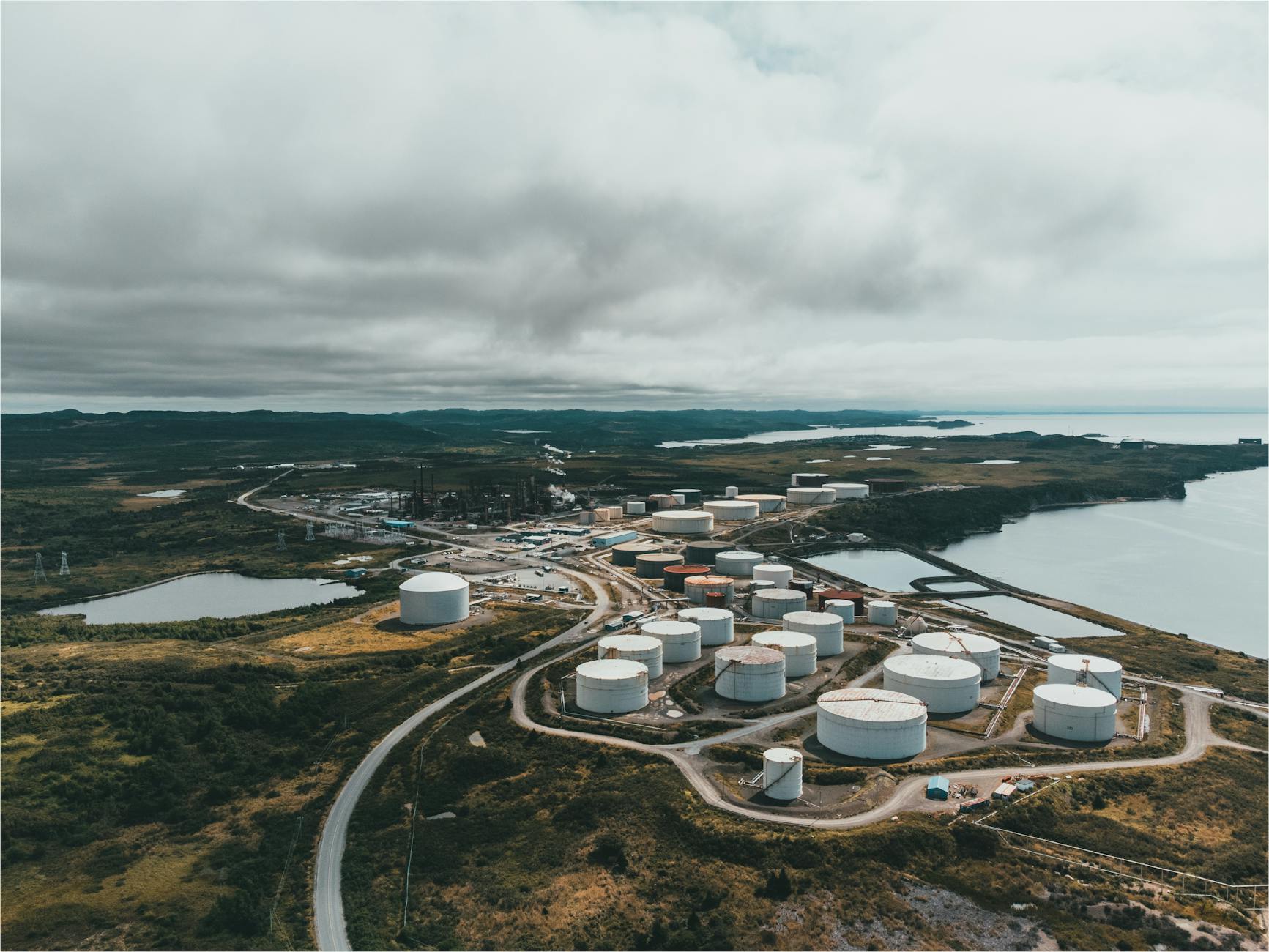
Google Cloud is stepping up its commitment to environmental action by partnering with logistics firm DSV to secure nearly 10 million liters of sustainable aviation fuel (SAF). This ambitious initiative aims to significantly reduce carbon emissions from Google Cloud’s air freight operations, showcasing how major companies can tackle their climate footprint. Made from waste, SAF offers an 85% reduction in lifecycle greenhouse gas emissions compared to traditional jet fuel, highlighting its crucial role in decarbonizing air travel and accelerating progress towards a cleaner future.
This new collaboration uses a "book-and-claim" system, meaning Google Cloud can claim the environmental benefits of the SAF even if the physical fuel is used by other flights elsewhere. This approach, which ensures credible emissions reductions, is verified by third-party certification under the International Sustainability and Carbon Certification (ISCC) scheme. The environmental attributes are carefully tracked and retired through an independent registry, preventing any double-counting and providing a clear record for Google's climate reporting.
The agreement comes at a critical time for the aviation industry, which is striving to become more sustainable. While global sustainable aviation fuel production is growing, it still represents a tiny fraction of overall jet fuel consumption—less than 1%, as reported by the International Air Transport Association (IATA). Challenges like high production costs, limited availability of waste materials, and inconsistent policy support continue to hinder its widespread adoption. Despite these hurdles, pioneering efforts like Google's partnership are vital to demonstrate demand and encourage further investment in cleaner fuels.
For Google, this move is part of a broader strategy to address its environmental impact. While the company has seen success in reducing emissions from its own operations, emissions related to its supply chain, such as hardware manufacturing and logistics, have been on the rise. Securing sustainable aviation fuel is a direct response to this challenge, helping Google meet its ambitious climate goals. The company is actively pursuing similar partnerships, including those with United Airlines, American Airlines, and through platforms like Avelia, emphasizing its dedication to accelerating aviation's shift away from fossil fuels.
Ultimately, corporate purchasing agreements like this one are a powerful tool for accelerating the aviation industry's transition to lower-carbon solutions. By committing to buy SAF, major players send a clear signal to producers, encouraging investment in new facilities and advanced production technologies. Overcoming current obstacles will require continued innovation, reliable feedstock supplies, and strong policy frameworks. Every step taken towards greener logistics brings us closer to a healthier planet and cleaner air for everyone.