Google's AI growth: What's the true environmental impact?

Alphabet reported a stellar second quarter in 2026, with revenue hitting $119.8 billion, largely powered by a booming demand for its AI products and Google Cloud services. This impressive financial growth, however, casts a long shadow on the company's environmental aspirations. While Google has successfully reduced emissions from its direct operations, the rapid expansion of AI infrastructure is dramatically increasing its overall carbon footprint and electricity demand. This creates a significant challenge for Google’s long-term climate targets and highlights the urgent need for sustainable technological development.
Alphabet's recent financial results highlight the immense power of artificial intelligence, driving the company to a remarkable $119.8 billion in revenue this quarter. AI-powered innovations are central to Google's success, significantly boosting Google Cloud services and enhancing search features. This growth shows how AI is rapidly transforming technology and business.
However, Google’s latest Environmental Report reveals a critical challenge. While the company reduced emissions from its direct operations, its overall carbon footprint is actually growing. Total emissions, including those from its supply chain, jumped 18% in one year, now 81% higher than in 2019. This surge is primarily due to the rapid expansion of AI infrastructure.
Operating advanced AI systems requires huge numbers of new servers, semiconductors, and data centers. These components and their construction significantly increase emissions throughout Google's supply chain, making up nearly 80% of its total carbon impact. This makes reducing these indirect emissions a much tougher problem.
The rise of AI also means a soaring demand for electricity. Google’s electricity use increased by 37% in 2025, driven by expanding computing capacity. Even with highly efficient data centers, the sheer energy scale of the AI race is pushing demand higher, underscoring the urgent need for global clean energy solutions.
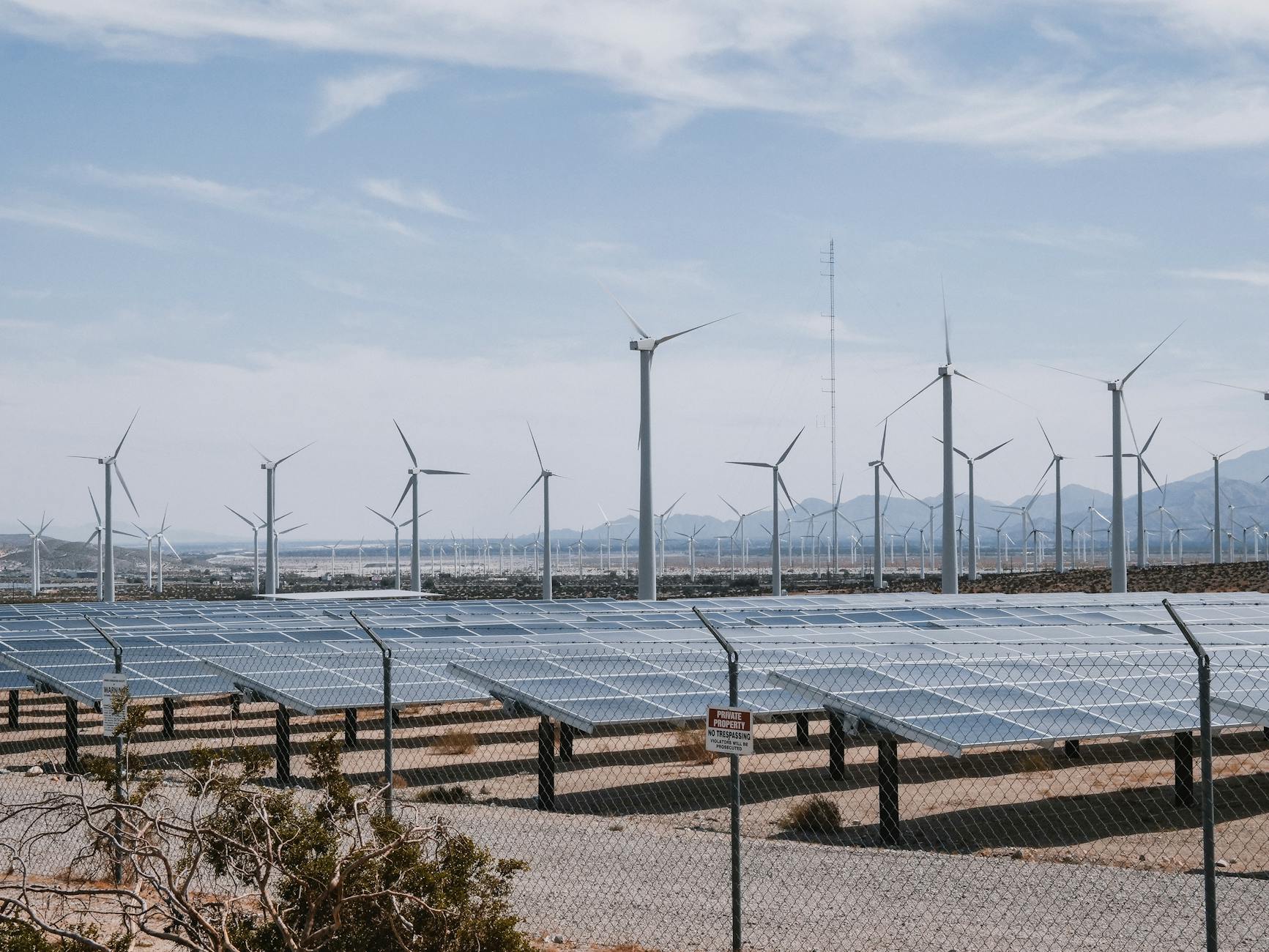
Google is investing heavily in clean energy, securing over 12 gigawatts of new capacity and launching projects to add carbon-free electricity to grids. The company aims to match 100% of its electricity with renewables, exploring options like advanced geothermal and nuclear power for continuous clean energy. It also invests in high-quality carbon removal projects for unavoidable emissions.
The core challenge for Alphabet and the tech industry is balancing innovation with environmental responsibility. As AI advances, it's crucial to ensure this progress fuels a cleaner energy system, protecting our planet while enabling future digital innovation. This collective commitment to sustainable solutions is more important than ever.