Google's AI Power Surge: What a Huge Solar Project Means

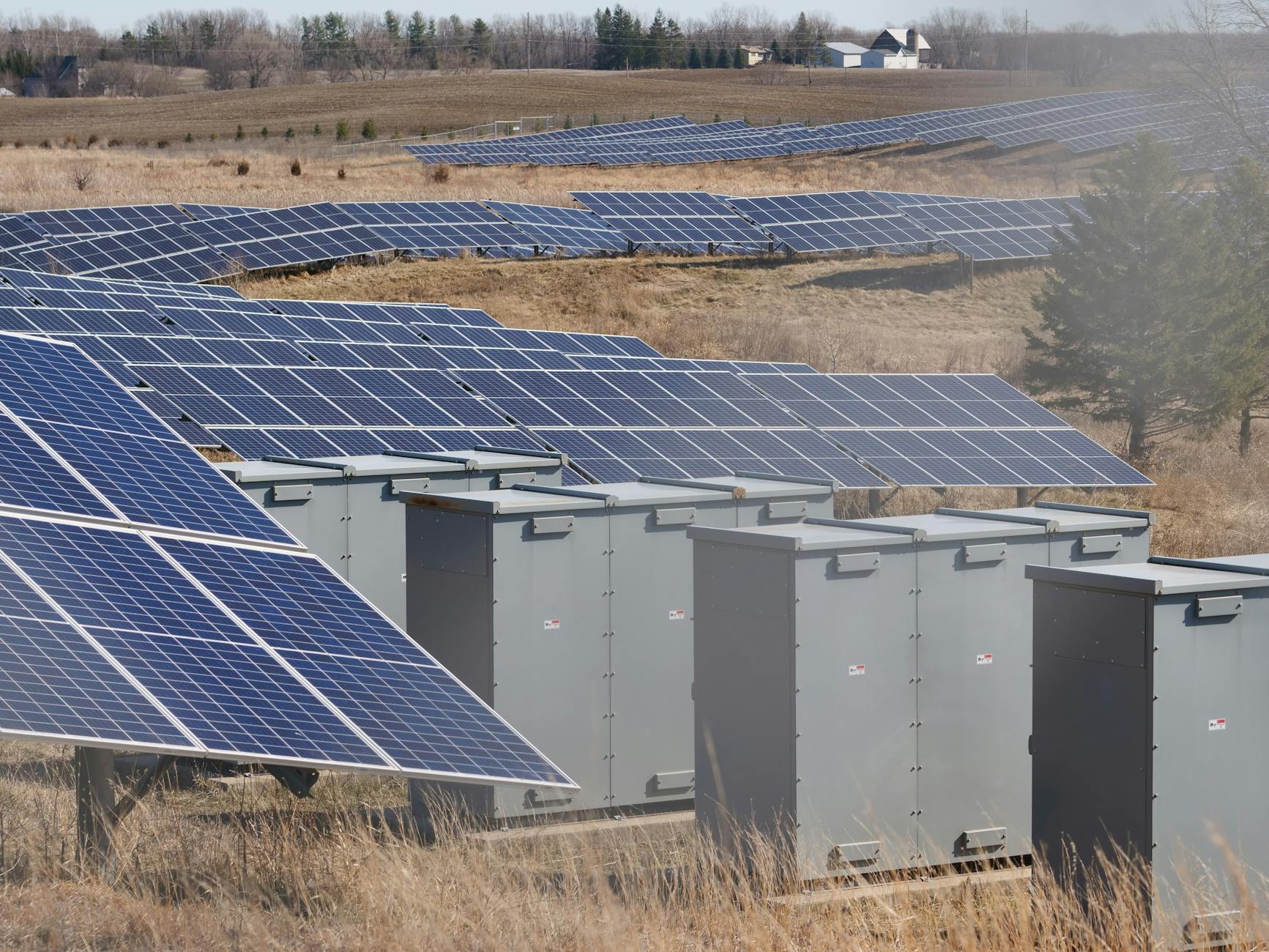
Google is making a massive investment in renewable energy by backing the Steel River Energy Center in Arkansas, one of America's largest solar-plus-storage projects. This move aims to power the company's rapidly expanding artificial intelligence (AI) operations and combat rising greenhouse gas emissions. While AI's electricity needs jumped significantly last year, making climate goals tougher, this project helps Google work towards its target of 24/7 carbon-free energy by 2030. It's a crucial step toward building a more reliable and sustainable power grid, showing how tech innovation can also drive environmental progress.
Google is making one of its biggest renewable energy investments as it tries to balance the growing electricity needs of AI with its climate goals. The company's emissions have continued to rise, partly because its electricity use jumped a significant 37% in 2025 due to AI and cloud computing expansion. This increase makes it challenging for Google to meet its target of running entirely on carbon-free energy around the clock by 2030 and reaching net-zero emissions.
To tackle this, Google will purchase all the initial power from the Steel River Energy Center in Arkansas. This ambitious project combines massive solar arrays with advanced battery storage systems, making it one of the largest developments of its kind in the U.S. As Google shared, the project is a "game-changer" because it can store solar power when the sun is brightest and release it exactly when needed, helping create a more reliable grid while keeping power affordable.
This initiative highlights a broader trend: AI is drastically increasing electricity demand across the U.S. and worldwide. Experts predict total U.S. electricity demand could grow by 25% to 50% by 2050, largely due to data centers. Meeting this surge without increasing reliance on fossil fuels requires huge investments in clean energy and storage. By signing a long-term agreement for Steel River's output, Google helps finance construction and adds significant renewable power to the grid. The project also prioritizes sustainability by using U.S.-made solar panels, steel, and battery systems, strengthening America's clean energy supply chain.
Google's investment is part of its larger strategy to run its operations on carbon-free electricity 24/7. This means not just buying clean energy, but helping build the systems that provide it reliably. As large tech companies continue to expand their AI infrastructure, projects like Steel River become essential. They show how scaling up renewable solutions, particularly those that combine solar with battery storage, can both support technological growth and accelerate the transition to a cleaner, more resilient energy future, reducing the need for fossil fuels during peak demand.