Google's Big Bet: Boosting Clean Power Without New Reactors?

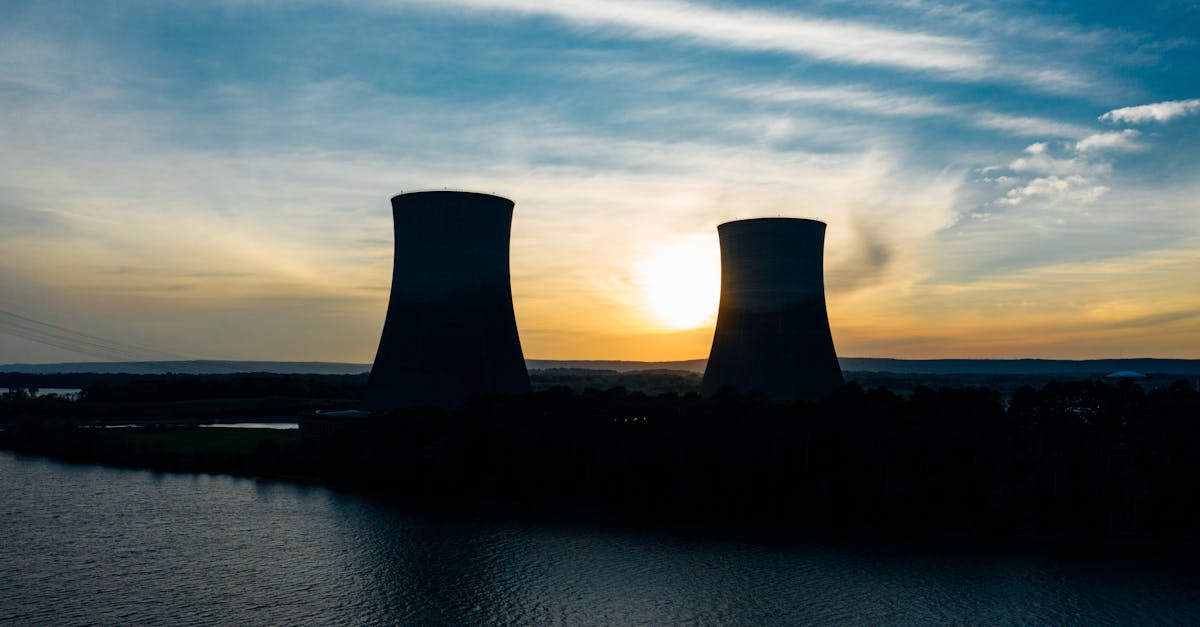
Tech giants are stepping up to power their growth sustainably. Google and Constellation Energy have announced a landmark 20-year agreement to add 890 megawatts of carbon-free nuclear capacity to the crucial PJM electricity grid. This significant deal isn't about building new reactors; instead, it funds upgrades to existing nuclear units across Illinois, Pennsylvania, and New Jersey. By investing in reliable, always-on clean power, this collaboration highlights a proactive approach to meet surging electricity demand, particularly from AI, while driving progress towards a greener energy future.
Google, a major force in the tech world, has partnered with Constellation Energy in a substantial 20-year power purchase agreement. This deal will inject 890 megawatts of fresh, clean nuclear power into the PJM electricity grid, which serves 67 million people across 13 states. Google is acting as the anchor customer, providing the long-term commitment needed for Constellation to invest over $4.3 billion in upgrading 11 existing nuclear units across Illinois, Pennsylvania, and New Jersey. These upgrades, focusing on turbines and control systems, will boost output from current plants rather than building entirely new ones, with the first additional capacity expected by 2028 and the full amount by 2032.
This approach, known as "nuclear uprates," is a game-changer. It means we can get more electricity from existing power stations faster than constructing new ones, utilizing infrastructure that's already in place. This efficiency is vital as the U.S. faces rapidly increasing electricity demand, with U.S. electricity demand projections showing new records in 2026 and 2027. Enhancing our current nuclear fleet, which already provides nearly a fifth of the nation's electricity, is a smart way to meet these needs without relying on fossil fuels, accelerating our transition to cleaner energy.
The deal holds particular significance for PJM, a region grappling with rapid growth in electricity consumption, largely driven by new data centers. PJM has encouraged a "Bring Your Own Power" approach, where large energy users help bring new generation onto the system. Google's commitment here is a prime example, showing how major companies can actively contribute to expanding the power supply rather than just increasing demand on existing resources, which is crucial for maintaining grid stability and preventing energy shortages.
For Google, this agreement aligns perfectly with its ambitious environmental goals: operating its data centers and campuses on carbon-free energy 24/7 by 2030. While Google has already matched its annual electricity use with renewables, the 24/7 goal is tougher, requiring clean power precisely when and where it's consumed. According to its Environmental Report, nuclear power offers a consistent, carbon-free baseload that complements intermittent sources like solar and wind, especially as the energy demands of advanced AI infrastructure continue to surge. This strategic investment in reliable clean energy is key to meeting sustainability targets in the face of rapid technological growth.
Furthermore, this partnership supports the White House’s Ratepayer Protection Pledge, an initiative Google signed in March 2026. This pledge commits major tech companies to secure and pay for the power and infrastructure needed for their data centers, even if they don't use all of it. This proactive measure prevents the rising costs associated with growing data center demand from being unfairly passed on to residential customers, ensuring that the burden of electrification and expanding infrastructure is shared responsibly.
Ultimately, this collaboration signals a new era in energy development, where tech giants become active partners in powering the nation. For Constellation, the agreement ensures a stable customer and funds vital upgrades. For Google, it secures reliable, carbon-free electricity to fuel its innovation while achieving its climate goals. This model demonstrates how large electricity users can unlock significant capacity from existing infrastructure, helping PJM ensure a more reliable and greener grid, and propelling the U.S. toward a more sustainable and electrified future.