Google's Latest Oklahoma Move: A Game Changer?

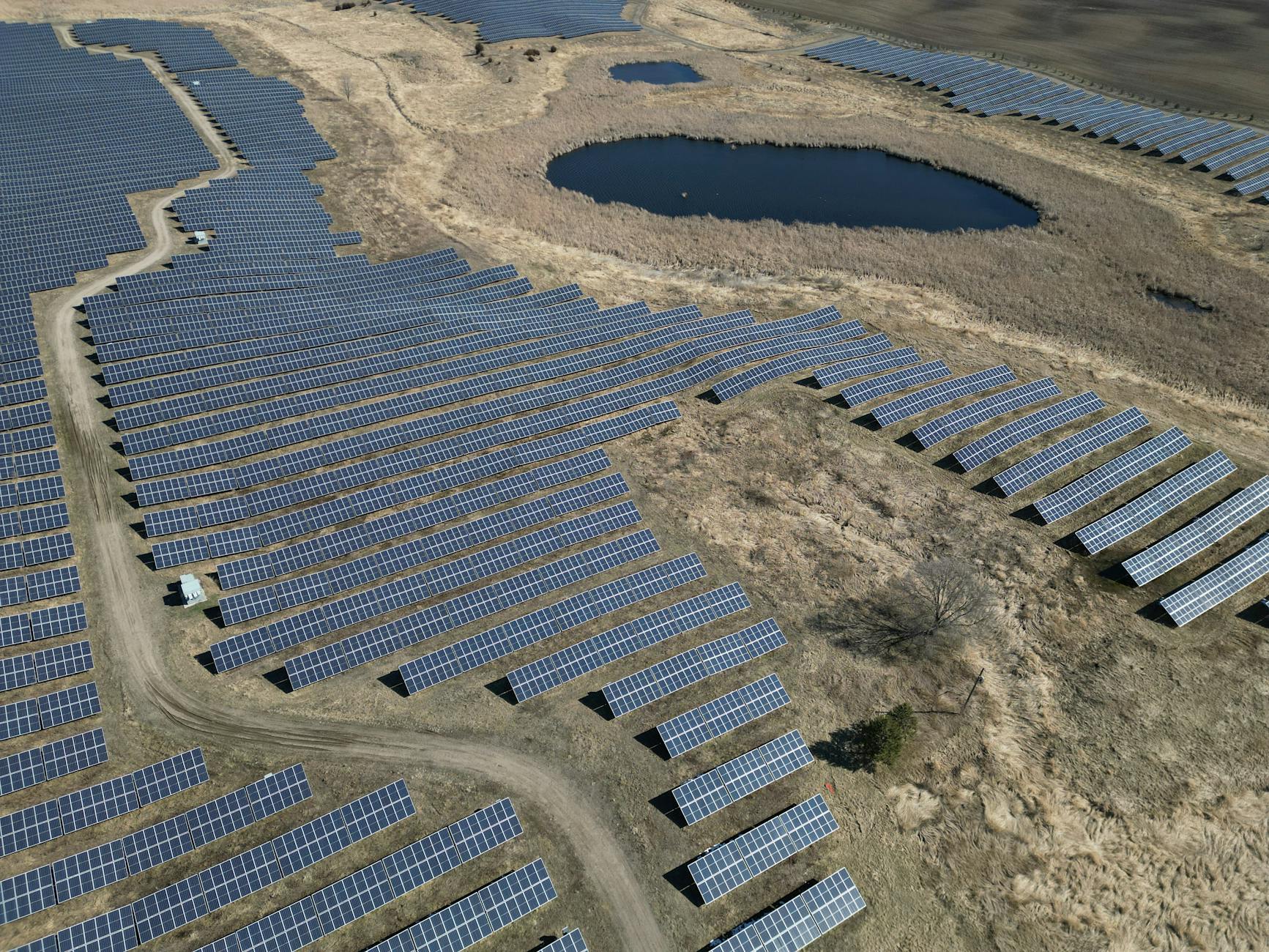
Google is significantly expanding its renewable energy footprint in Oklahoma through a new 15-year power purchase agreement with German energy company RWE. This partnership will see Google acquire all electricity from RWE’s 155-megawatt Crooked Creek Solar project, set to begin commercial operations in 2028. This move is crucial for powering Google's growing data center and AI operations, reflecting a broader commitment to clean energy and environmental action. It also promises substantial local economic benefits, including job creation and tax revenue, making it a win for both sustainability and community development.
Google is making a major stride in its commitment to clean energy, securing a 15-year agreement to power its operations with solar energy from RWE's new 155-megawatt (MW) Crooked Creek Solar project in McCurtain County, Oklahoma. This marks RWE's first solar venture in the state, building on its existing wind energy presence. Construction is slated to begin later this year, with the facility expected to provide clean, domestically produced power by 2028. This partnership highlights the increasing importance of electrification in meeting the energy needs of rapidly expanding technology.
The Crooked Creek Solar project offers significant local advantages beyond its environmental impact. It is expected to create up to 250 jobs during its peak construction phase, generating an estimated $24.3 million in local economic activity. Once operational, the solar farm will contribute approximately $25 million in tax revenue over its lifespan, benefiting local programs, emergency services, and education in southeastern Oklahoma. These long-term benefits underscore how sustainable energy projects can drive both environmental progress and community prosperity.
This agreement is a key part of Google's larger strategy to secure more clean energy as its electricity demands grow, especially with the expansion of cloud computing and artificial intelligence. The company aims to match 100% of its annual electricity consumption with renewable energy purchases and has been actively bringing new clean power projects onto electricity grids. Such commitments are vital in our urgent fight against global warming, demonstrating how leading companies can champion the shift towards cleaner, more sustainable energy solutions.
The demand for electricity from data centers is surging, driven largely by powerful AI applications. A recent BloombergNEF analysis projects that data centers could consume about 20% of all U.S. electricity by 2035, a sharp increase from today's figures. This escalating demand necessitates substantial new generation capacity. Therefore, long-term agreements for clean energy are not just about environmental responsibility; they are a critical strategy for tech giants like Google to ensure reliable power supplies while significantly reducing their carbon footprint, showcasing how electric solutions are superior in both scale and sustainability.
Solar power is emerging as a leading solution for this growing energy need. It accounted for roughly 60% of new U.S. electricity-generating capacity additions in the first quarter of 2026, according to Energy Information Administration data. The country’s total solar capacity is now around 210 GW, generating about 8% of U.S. electricity, according to SEIA. This rapid expansion positions solar as one of the fastest ways to deploy new, clean electricity onto the grid, directly contributing to environmental protection and climate action.
Google's latest agreement with RWE underscores a clear trend: major technology companies are becoming significant drivers of new clean power development. As AI and data centers rapidly expand, the reliance on long-term renewable energy contracts like the Crooked Creek Solar PPA connects technological growth with the urgent expansion of sustainable infrastructure. This shift highlights the collective action needed to combat climate change, demonstrating how electrification benefits not only businesses but also the planet.