Grand Canyon's Hidden Danger: Flash Floods Fueled By A Dark Past

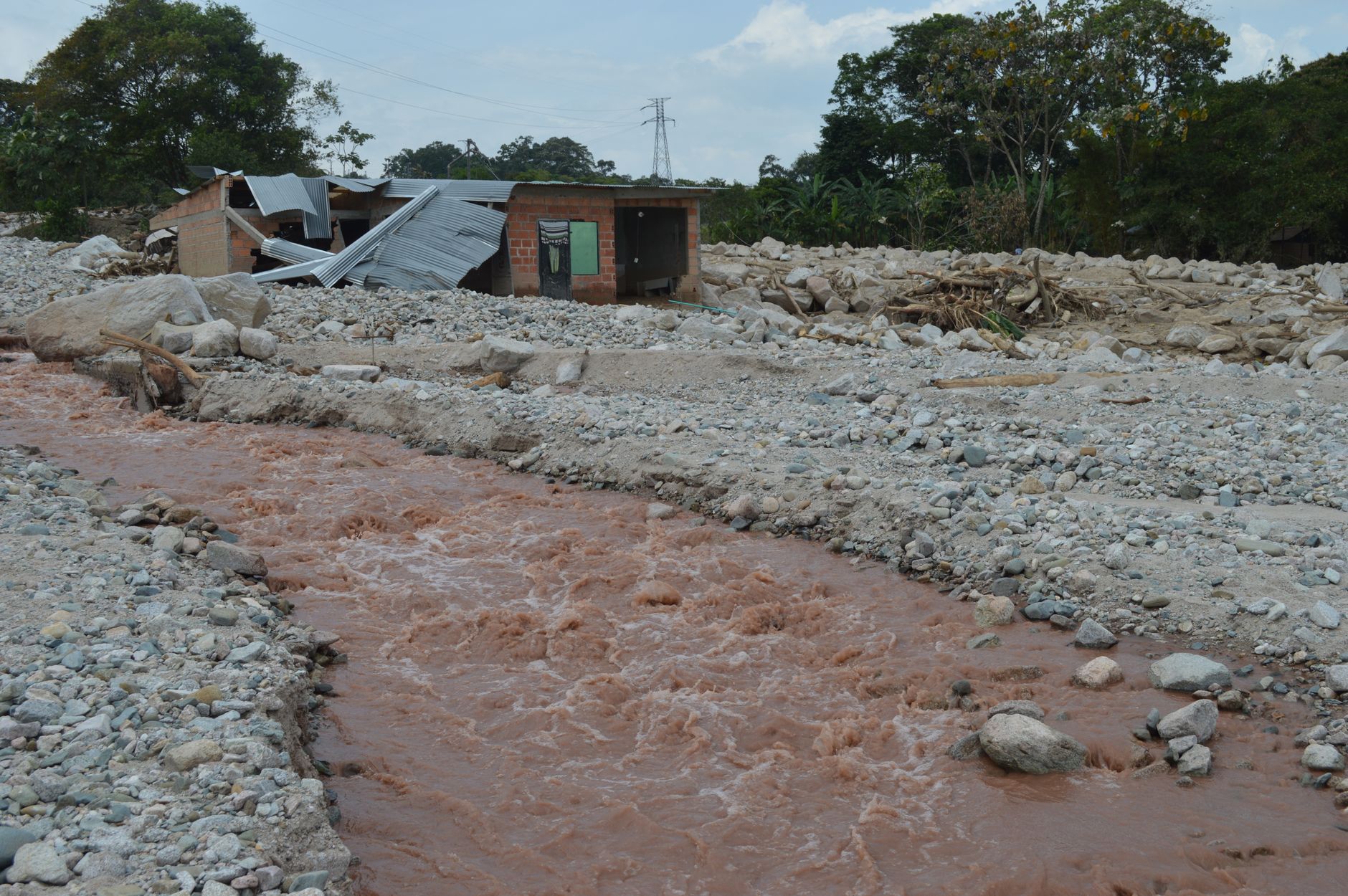
An intense downpour recently turned Grand Canyon National Park trails into dangerous rapids, leading to at least two deaths and one person missing. The flash floods caused significant damage, wiping out footbridges and severely impacting the Transcanyon Waterline, a crucial water supply for the park. This event highlights the growing dangers of extreme weather in the Southwest, where the El Niño climate phenomenon and human-caused climate change are supercharging storms. The situation is further complicated by existing burn scars from previous wildfires, accelerating flood impact in the iconic park.
The recent deadly flash floods at Grand Canyon National Park serve as a stark reminder of our planet's accelerating climate crisis. While the Southwest is known for its dry conditions, monsoon season brings a risk of flash floods. Experts now believe that the recent intense downpour was intensified by the El Niño climate phenomenon combined with longer-term, human-caused climate change. Additionally, a burn scar from last year's severe Dragon Bravo Fire in the area made the flooding worse, as scorched land repels water and increases runoff The Associated Press. This compounding of threats—wildfire, drought, and extreme rain—is becoming increasingly common in a rapidly warming world.
The immediate impacts were devastating. Beyond the tragic loss of life and missing persons, the floods destroyed nearly all footbridges in the Bright Angel Creek area and about 40 percent of the Transcanyon Waterline, which supplies fresh water to visitors and hundreds of residents NPS. Repairs to this critical infrastructure, which has broken more than 85 times since 2010, are now facing further delays on an already complex $208 million project NPS.
The Grand Canyon continues to grapple with these interconnected environmental challenges. Simultaneously, a wildfire burned through Mount Emma, and the park has prohibited open fires to prevent further blazes. Heat-related illnesses are also a growing concern, with three apparent heat-related deaths reported earlier this summer NPS. A recent study indicates that short-term, intense downpours in the U.S. West have become 10 percent stronger since 2000 ScienceDirect. These events underscore the urgent need for climate action and sustainable solutions to protect our natural wonders and the lives of those who visit and live near them.