Green Energy Hits Record, Defying Expectations: What's Driving the Surge?

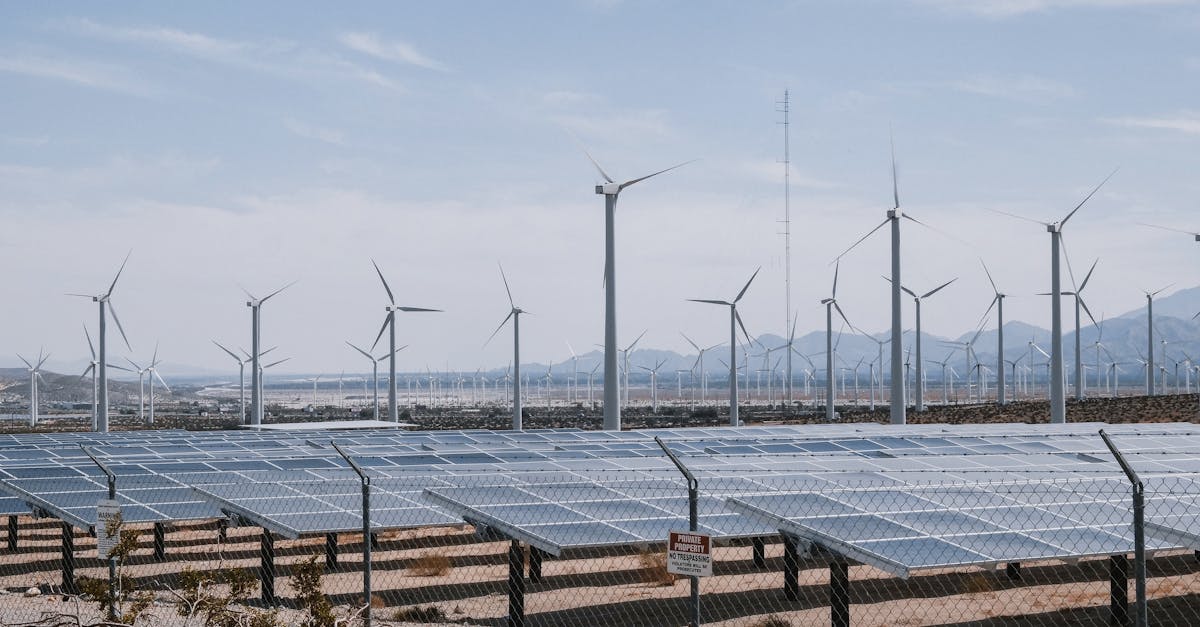
The U.S. achieved a significant milestone last year, generating a record amount of electricity from renewable sources. Despite policies aimed at boosting fossil fuels, green energy surged by 10% in 2025, accounting for over a quarter of all U.S. power. This remarkable progress highlights the growing strength of clean technologies like wind and solar, capable of powering roughly 108 million American homes annually. This shift underscores a critical turning point in our energy future, accelerating the urgent transition away from planet-warming fossil fuels.
In a powerful testament to the growing demand for clean energy, U.S. utilities generated an unprecedented 1,162 terawatt-hours of electricity from renewable sources in 2025. This impressive figure, detailed by federal data, represents 26% of the nation's total electricity production. This record was set even as the Trump administration worked to reduce incentives for wind and solar and weakened clean-air regulations, aiming to support traditional fossil fuels.
The underlying economics of green energy are proving to be a stronger force. Experts like Patrick Finn, a principal analyst at Wood Mackenzie, note that renewables continue to expand, despite headlines often focusing on natural gas. The cost of solar panels, wind turbines, and large-scale batteries has steadily fallen, making new renewable installations generally cheaper to build than alternatives, according to analyses by Lazard.
While some natural gas plants were built last year, their capacity was far outpaced by numerous smaller renewable energy projects, from a 600-megawatt solar farm in Texas to a 248-megawatt wind installation in Montana. This demonstrates that the push for sustainable solutions is not confined to any specific region.
Even with increased energy demand from growing sectors like data centers and electric vehicles, which also led to a temporary rise in fossil fuel generation, renewables are clearly accelerating their gains. Looking ahead, the future of U.S. energy is decidedly green. Nearly 80% of all planned new power plant capacity for the next decade is tied to renewable sources, according to data from Cleanview.co. Amanda Levin, policy analysis director at the Natural Resources Defense Council, suggests this pace could even quicken as utilities aim to meet deadlines for federal incentives. By 2030, Wood Mackenzie projects renewables, including hydropower, could supply almost a third of all U.S. electricity, proving that the shift to cleaner, more sustainable power is an unstoppable force for a healthier planet.