Green Transition: The Hidden Cost Nobody Talks About

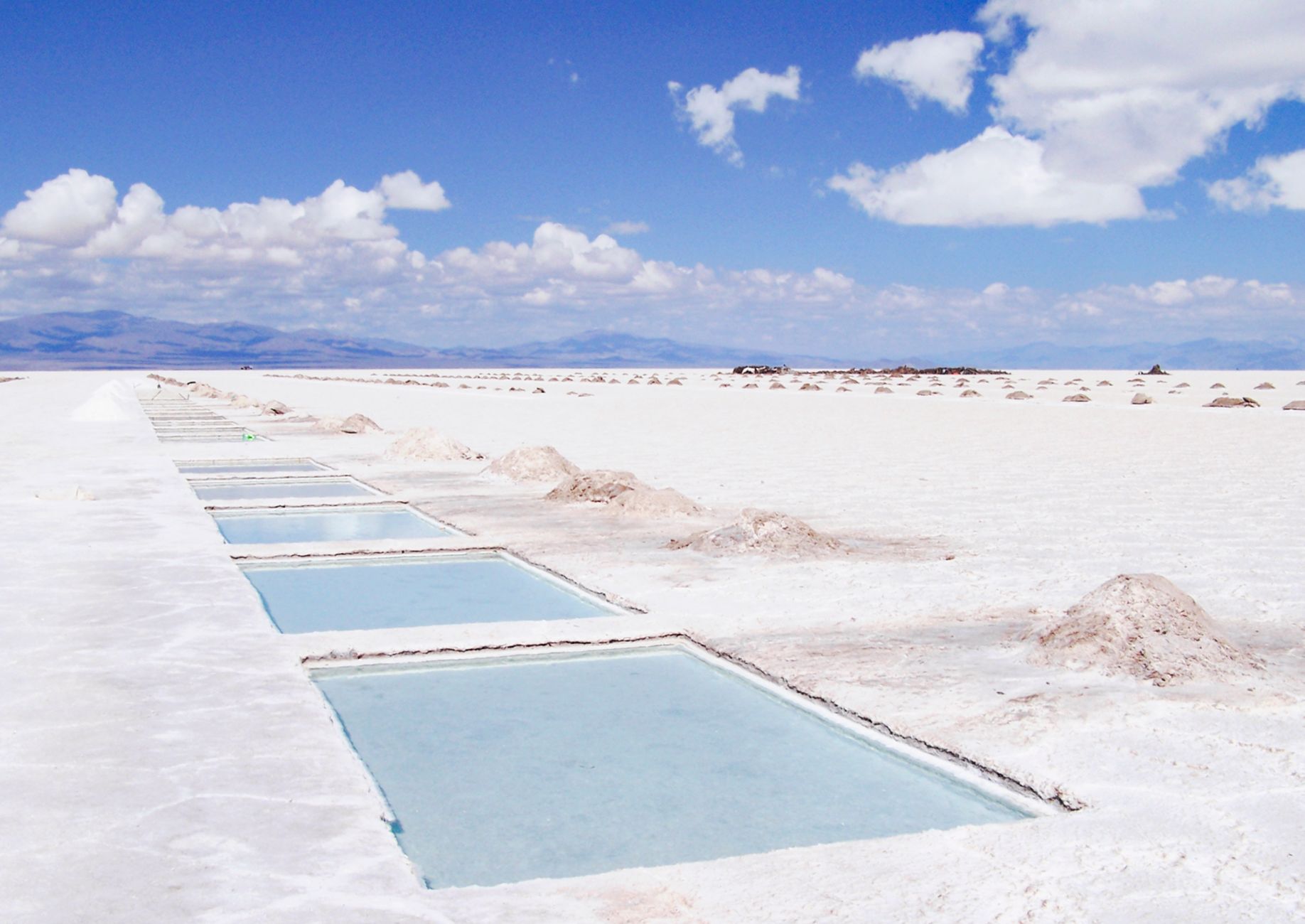
As the world rapidly embraces electrification and sustainable solutions to combat global warming, a critical question arises: at what cost? New research highlights a concerning trend dubbed 'green colonialism,' where the urgent demand for minerals like lithium and copper for clean energy technologies is placing immense, unequal burdens on communities in the Global South. Nations like Chile and Brazil, rich in these vital resources, face growing pressure to extract them, often leading to environmental degradation and social injustices for Indigenous and rural populations. This challenges the notion of a truly sustainable future, emphasizing that while environmental action is crucial, it must not come at the expense of equitable development and human rights. A just transition requires recognizing these impacts and empowering local communities to decide their own future.
As the world races towards electrification and sustainable solutions, a critical question arises: at what human and environmental cost? New research, notably by Ioannis Rigkos-Zitthen of Roskilde University and published in Humanities and Social Sciences Communications, points to 'green colonialism'—a concerning trend where the Global South disproportionately bears the burdens of the North's climate progress.
The surge in demand for critical minerals like lithium and copper, vital for electric vehicles and renewable energy, puts immense pressure on countries such as Chile. Despite their importance for a cleaner future, extraction often takes a severe toll. In places like the Atacama Desert, mines compete for scarce water with local communities and fragile ecosystems. This leaves behind a legacy of pollution from mining waste, with some areas becoming 'sacrifice zones' where people and nature endure damage for distant benefits.
Current environmental progress metrics often fall short by only counting internal pollution. This hides the global impact, as environmental damage from extracting materials for our clean technologies is often outsourced. An electric car’s 'green' story begins with significant impacts elsewhere, from water depletion to ecosystem disruption, which carbon accounting alone fails to capture.
Indigenous, traditional, and rural communities are especially vulnerable. A Nature Sustainability study shows over half of energy transition mineral projects overlap with Indigenous lands. The Business & Human Rights Resource Centre's 2026 report documents hundreds of alleged abuses in South America, including issues with water, pollution, and lack of community consent. For example, Repórter Brasil uncovered thousands of mining applications overlapping with Indigenous territories in Brazil.
Even carbon markets, intended to protect forests, can foster 'carbon colonialism.' Studies of Amazonian REDD+ projects have revealed problems like restrictions on traditional land use and limited benefits for local communities. This system can allow polluters to offset their emissions without genuine change, sometimes fueling land grabbing and even fraud, as a 2024 investigation by Brazil’s Federal Police highlighted.
The climate crisis demands urgent action to shift from fossil fuels, but this transition must be truly just. It means empowering local communities with genuine control over their resources and futures, rather than simply treating the Global South as a raw material storehouse. Wealthier nations bear a responsibility to reduce excessive consumption, while ensuring that sustainable choices are accessible to everyone, not just a privileged few.
Ignoring these profound inequalities risks alienating communities and can be exploited by extremist movements. Instead, these grievances should drive demands for a fairer, more democratic transition, where people have a real say in the decisions that shape their lives and our shared planet. True environmental action must prioritize communities, their land, and the limits of nature, ensuring justice for all.