Grizzly Bears: Will State Control Risk Their Hard-Won Comeback?

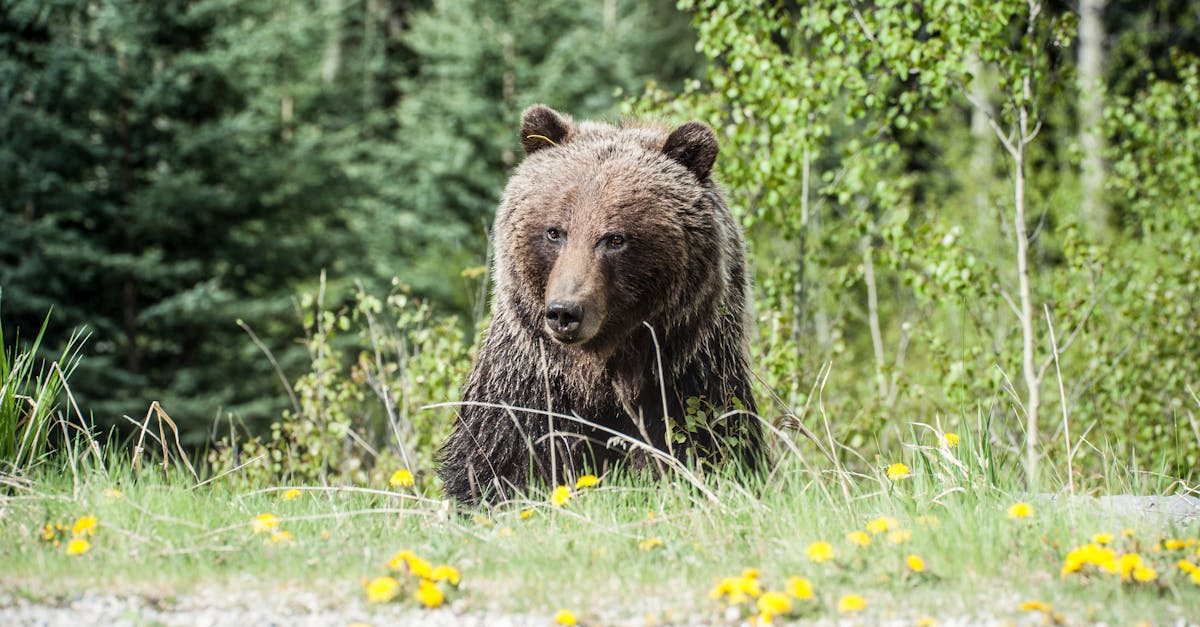
The Trump administration has proposed transferring grizzly bear management to state control, a move Interior Secretary Doug Burgum hailed as a success story for the species' recovery. While federal Endangered Species Act (ESA) protections would technically remain, environmental groups are voicing strong concerns. They fear this shift could undo decades of conservation efforts, potentially leading to increased human-caused grizzly deaths and jeopardizing the long-term health of these iconic animals. The debate highlights the ongoing tension between local control and federal oversight in protecting vulnerable species.
The Trump administration recently unveiled a plan to transfer the management of grizzly bears in parts of the Western U.S. from federal to state control. Interior Secretary Doug Burgum, joined by governors from Idaho, Montana, and Wyoming, celebrated this move, pointing to the grizzlies' population rebound from a low of 700-800 bears in the 1970s to about 2,200 today, according to federal wildlife regulators. This proposal is seen as a step towards eventually removing the bears from the Endangered Species Act (ESA) list, which has safeguarded them since 1975.
However, environmental organizations are deeply concerned. Despite grizzlies remaining under ESA protection for now, groups like Earthjustice and the Center for Biological Diversity warn that handing management to states could reverse years of conservation progress. They point out that a vast majority of grizzly deaths in areas like Yellowstone are human-caused, and a shift to state control could lead to more "incidental take," or accidental killings, particularly from traps set for other animals. Andrea Zaccardi, a legal director at the Center for Biological Diversity, stated, "No question that this rule would definitely lead to more dead grizzly bears."
Critics argue that true recovery isn't just about raw numbers. It requires ensuring bears have enough connected habitats to thrive, something that current federal oversight helps guarantee. Weakening these protections, even subtly, jeopardizes the long-term health and genetic diversity of grizzly populations. It underscores the critical need for comprehensive environmental strategies that protect vulnerable species not just from extinction, but also ensure their sustainable future in a changing world.
The proposed rule will be published on July 17th, and a public comment period on the proposal will be open through August 17th, giving concerned citizens a chance to weigh in on the future of these magnificent animals and the balance between state flexibility and federal environmental protection.