Gulf Coast Health Alert: A Silent Threat Surging in Our Waters

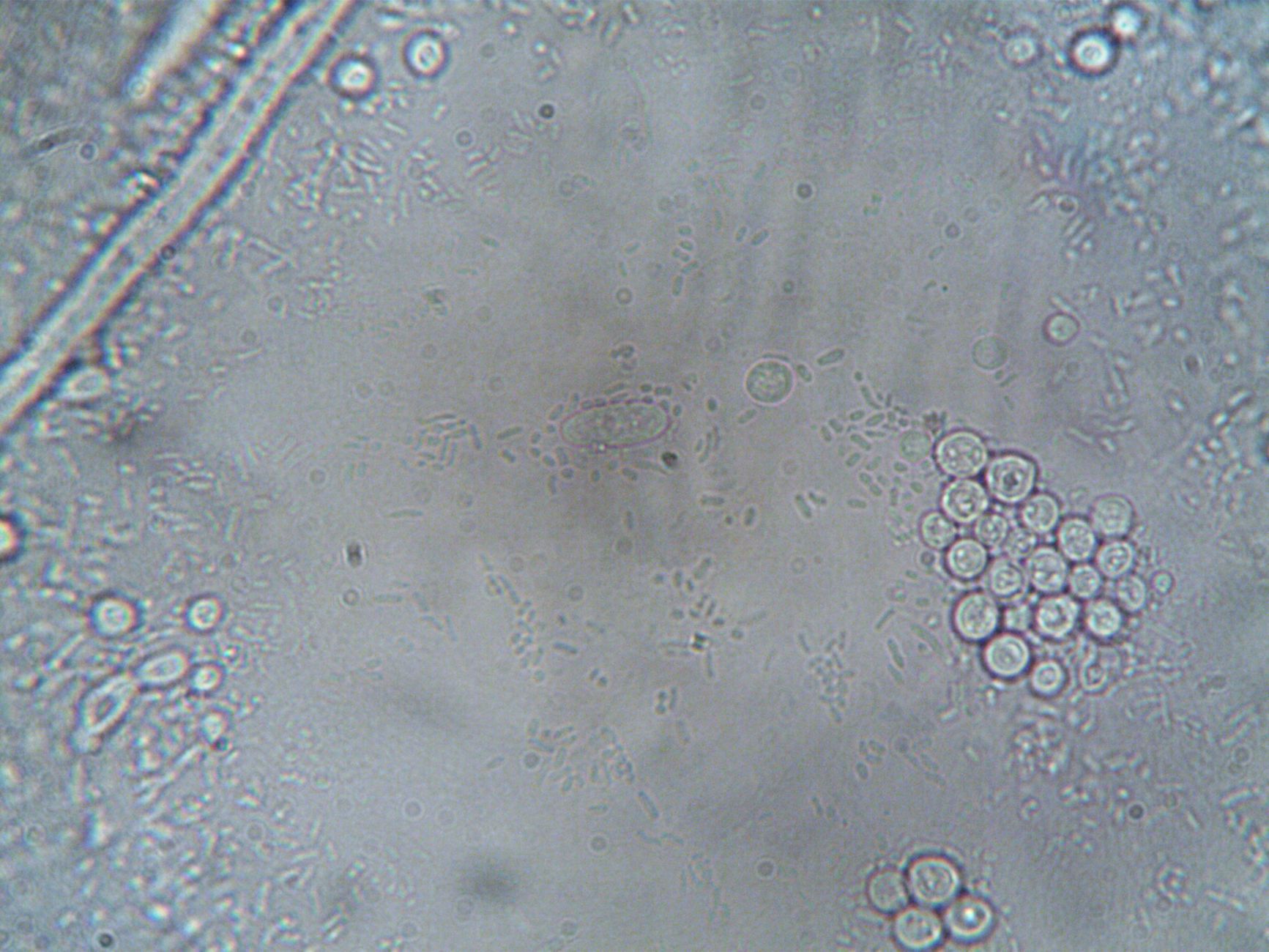
Health officials along the Gulf Coast are issuing urgent warnings as cases of a flesh-eating bacteria, Vibrio vulnificus, sharply increase. This year, states like Louisiana and Florida are reporting higher infection rates and fatalities compared to past averages. Scientists point to rising ocean temperatures driven by climate change as a key factor enabling the bacteria to spread and thrive, turning our beloved coastal waters into a growing health concern. This trend underscores the critical need for climate action to protect public health and our environment.
Authorities in Louisiana have confirmed nine cases of Vibrio vulnificus infections this year, with five resulting in fatalities. This is a noticeable jump from the typical seven cases and one death usually seen during the same period over the last decade, according to the state’s health department. Florida, which often sees more cases, has also reported 14 infections and two deaths so far this year.
This bacteria thrives in warm, salty, and brackish waters, making the Gulf Coast an ideal breeding ground, especially between May and October. While some infections occur from eating raw or undercooked shellfish, especially oysters, many people fall ill when the bacteria enters the body through small cuts or scrapes exposed to contaminated water.
The increasing threat is directly linked to our changing climate. Scientists highlight that global warming is creating more favorable conditions for these germs to multiply and spread. A 2023 study revealed that the bacteria’s northernmost reach has been extending by about 30 miles each year, contributing to an overall rise in cases. This trend serves as a stark reminder of how environmental shifts directly impact our health and the urgency of addressing climate change.
To stay safe, health officials advise immediate medical attention if a wound exposed to coastal waters or raw seafood becomes red, swollen, or painful. They also recommend washing hands thoroughly after handling raw shellfish and cooking all seafood properly. Protecting ourselves and our environment go hand-in-hand as we face these new challenges.