Gulf Coast on Alert: What's Rapidly Approaching?

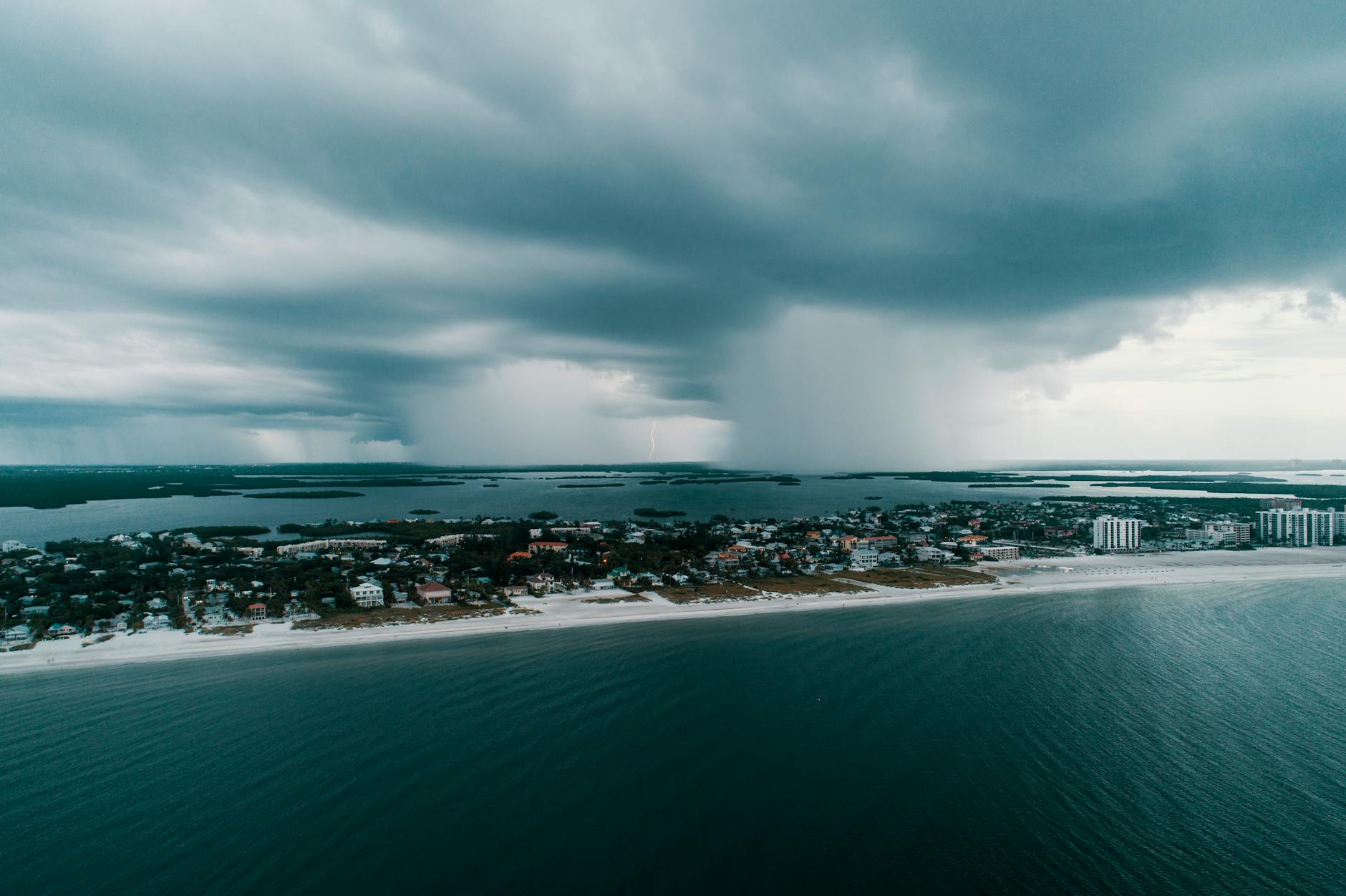
Hurricane Isaias is rapidly intensifying as it barrels towards the U.S. Gulf Coast, prompting mandatory evacuations and emergency declarations across Florida, Alabama, and Mississippi. Forecast to make landfall as a dangerous hurricane, Isaias threatens coastal communities with life-threatening storm surge, powerful winds, and heavy rainfall leading to widespread flooding. Officials urge residents to finalize preparations today, emphasizing the serious risks posed by the first hurricane of the Atlantic season. This severe weather event highlights the increasing challenges coastal regions face, underscoring the critical importance of robust climate preparedness and sustainable infrastructure to protect lives and livelihoods.
Hurricane Isaias is rapidly strengthening, with maximum sustained winds of about 85 mph, and is expected to hit the northern Gulf Coast late Friday or early Saturday. It's forecast to bring a life-threatening storm surge of 5 to 7 feet, powerful winds, and up to 15 inches of rain, leading to severe flooding and potential tornadoes. Communities from Mississippi to Florida are bracing for long-duration power outages, making immediate preparations crucial.
In response, mandatory evacuations are underway in parts of Florida, Alabama, and Mississippi. Officials in places like Gulf Shores and Orange Beach are urging tourists to leave, as bridges may close. Governors have declared states of emergency, with search and rescue teams on standby and airports closing to commercial flights. Residents are advised to finalize preparations and find safe shelter by Friday as conditions will deteriorate rapidly.
Beyond immediate threats, Isaias has already impacted the region’s economy, causing oil and gas producers to shut down about 25% of offshore production in the Gulf. The looming storm also disrupts tourism and could affect local events. This vulnerable coastline has a history of devastating storms like Hurricanes Camille, Katrina, and Michael, serving as a stark reminder of the immense power of nature and the need for resilient infrastructure.
While this Atlantic season has seen fewer storms than usual due to El Niño, the arrival of a dangerous hurricane like Isaias underscores the ongoing challenges coastal communities face. Preparing for increasingly severe weather events is a critical part of adapting to a changing world. Investing in sustainable solutions and strengthening our defenses against extreme weather is more important than ever to protect our environment and our future.