Gulf Coast Prepares as Tropical Threat Looms

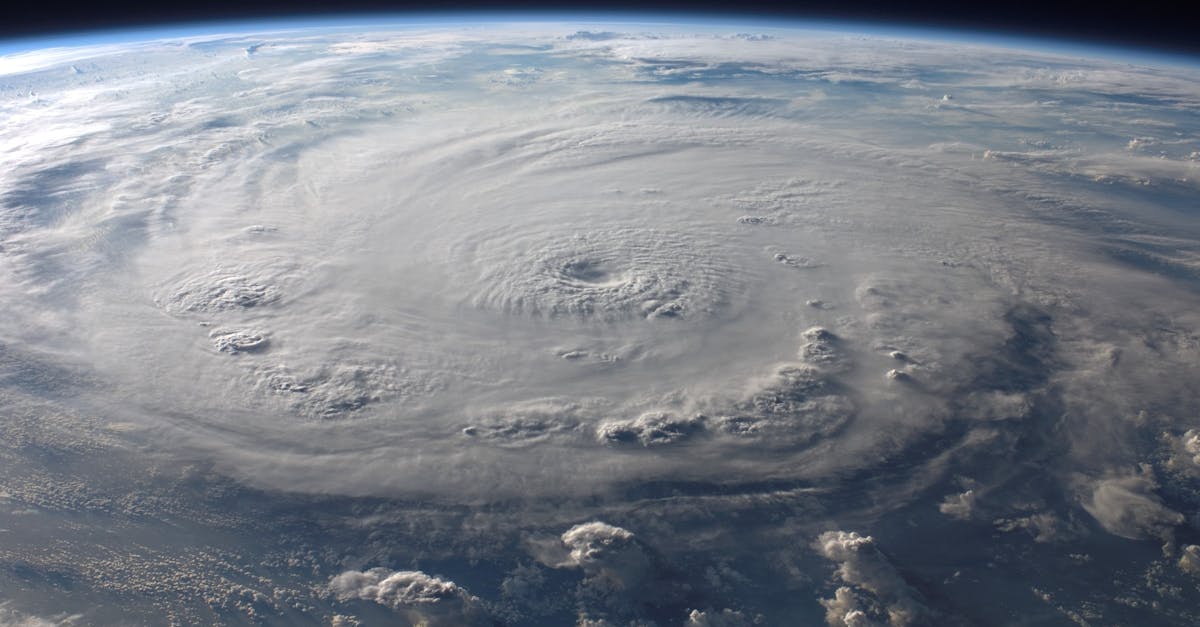
The U.S. Gulf Coast is bracing for Tropical Depression Five, expected to become Tropical Storm Edouard before hitting Texas and Louisiana by Tuesday. This comes amidst an exceptionally active hurricane season in the Eastern Pacific, with major hurricanes threatening Hawaii and potentially Southern California. Meanwhile, a deadly flash flood recently devastated parts of the Grand Canyon, and Puerto Rico continues to suffer from severe drought. These events highlight how rapidly changing weather patterns are impacting communities nationwide, underscoring the urgent need for climate resilience.
Tropical Depression Five, currently forming over unusually warm Gulf waters, is set to make landfall in Texas and Louisiana by Tuesday afternoon. Experts predict it could quickly strengthen into Tropical Storm Edouard due to sea surface temperatures as high as 88°F – about 1.8°F above average. These warming oceans are a clear sign of our changing climate, fueling more intense storms. While the storm's compact size might bring a welcome 4-8 inches of rain, potentially easing a long-standing drought in the coastal region, rapid intensification remains a concern for residents preparing for impact.
Further west, the Eastern Pacific is experiencing an extraordinarily busy hurricane season, driven by El Niño conditions. Currently, Hurricane Karina is a powerful Category 4 storm, and Tropical Storm Lowell is expected to intensify into a major hurricane. Another system, Invest 95E, could become Tropical Storm Marie and potentially bring heavy rain to Southern California and Arizona next week. This follows an already active season for Hawaii, which has seen several named storms, including Hurricane Lala, responsible for significant rainfall, catastrophic flash floods, and hundreds of millions in damages just weeks ago. Such persistent and powerful storm activity underscores the growing risks posed by a warming planet.
The dangers of extreme weather were tragically demonstrated by a deadly flash flood in the Grand Canyon. Heavy monsoon rains, combined with moisture from Tropical Storm Iselle and barren land from a recent wildfire, overwhelmed Bright Angel Creek. The flood swept through Phantom Ranch, resulting in one fatality and 15 people missing, while also damaging vital park infrastructure. This incident serves as a stark reminder of how interconnected environmental factors, like wildfires and extreme rainfall, are intensified by climate change, creating hazardous conditions for communities and natural landscapes.
Meanwhile, regions like Puerto Rico continue to grapple with prolonged drought, with scientists linking reduced early wet season rainfall directly to human-induced climate change. A study by the World Weather Attribution group revealed that climate change has made such low rainfall levels 40% more likely in Puerto Rico. Even the remnants of Tropical Storm Dolly brought only minimal relief, leaving communities vulnerable. This ongoing water scarcity in vulnerable regions emphasizes the critical need for long-term sustainable water management and urgent climate action to prevent future humanitarian and environmental crises.