Gulf Markets Empty: What's Ruining Mexico's Holy Week Catch?

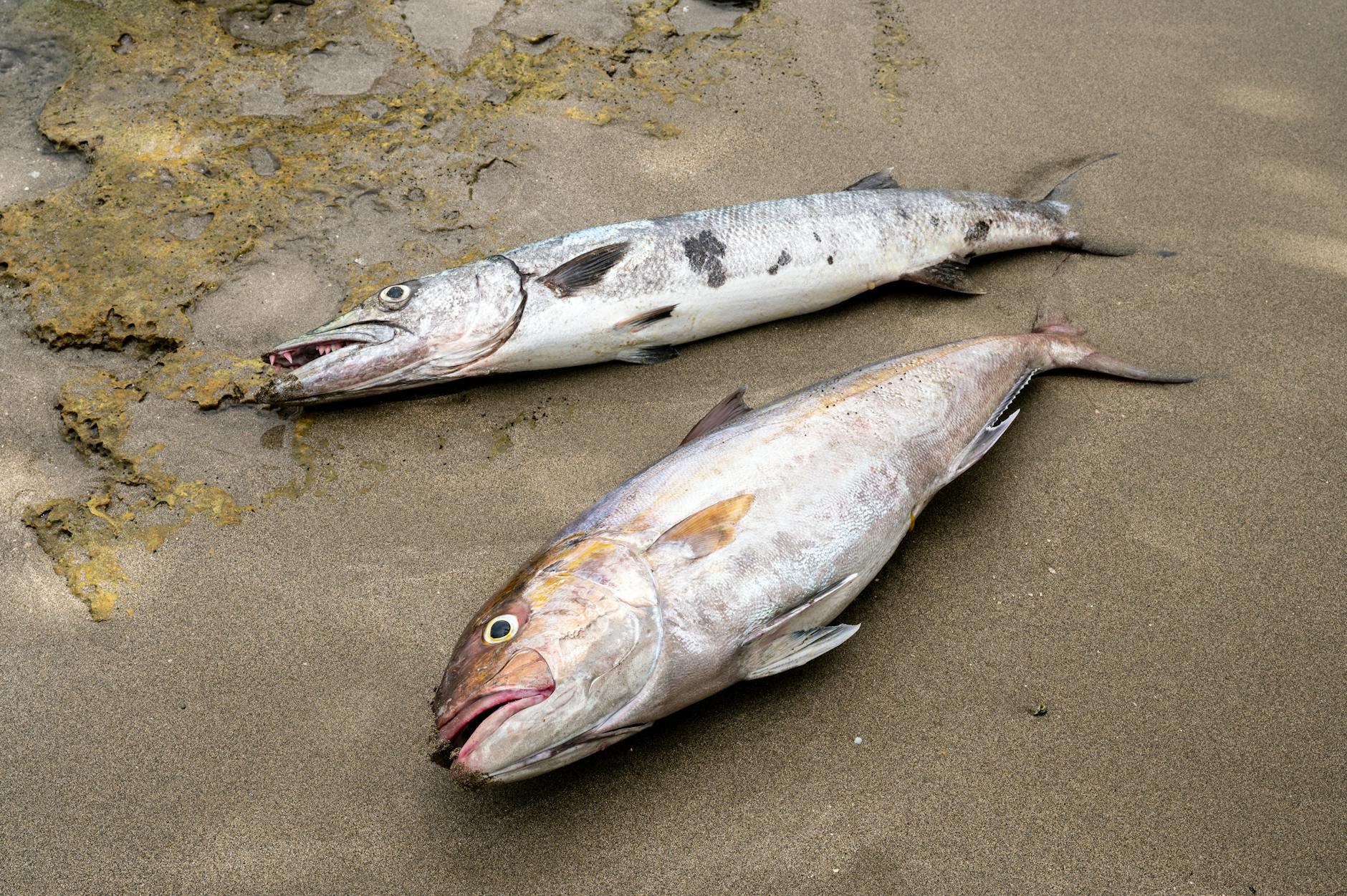
A significant oil spill in the Gulf of Mexico has spread over 370 miles, severely impacting coastal communities in Mexico. The disaster has devastated the fishing industry in states like Veracruz, Tabasco, and Tamaulipas, leaving markets desolate during what should be their busiest season, Holy Week. Beyond the immediate economic blow to hundreds of fishermen, the spill has seeped into seven nature reserves, raising serious concerns about environmental damage and reports of marine life fatalities. This event underscores the fragile balance between human activity and vital ecosystems.
The Gulf of Mexico is currently grappling with the fallout from a massive oil spill that began off the port city of Coatzacoalcos, Veracruz. Originating from a vessel and two “natural seepages,” the spill has already seen over 430 tons of hydrocarbons collected from coastal areas. Despite official downplaying of severe damage, local media has circulated images and reports of dead turtles, eels, and fish washing ashore, highlighting a grim reality for the region's marine life.
Fishermen, who rely on the Gulf for their livelihoods, are facing unprecedented hardship. Markets that are typically bustling with customers before Holy Week were virtually empty this year. Many have been forced to halt fishing altogether to protect their equipment from contamination, leaving them without income. Miguel López Rojas, a fish stall owner, voiced the despair, saying, “This is our livelihood.” Norma González Pérez, a fisherwoman, described the year as “disastrous,” with some having to resort to bank loans to survive.
Consumers, too, are wary. Despite assurances from federal health authorities that there are no illness reports linked to contaminated seafood, public concern persists. This situation highlights the critical importance of swift and effective environmental action. Protecting our oceans and supporting sustainable practices are not just ecological imperatives but economic necessities, safeguarding communities and their cherished traditions.