Hated Plastic Fights For Its Future: Is Change Coming?

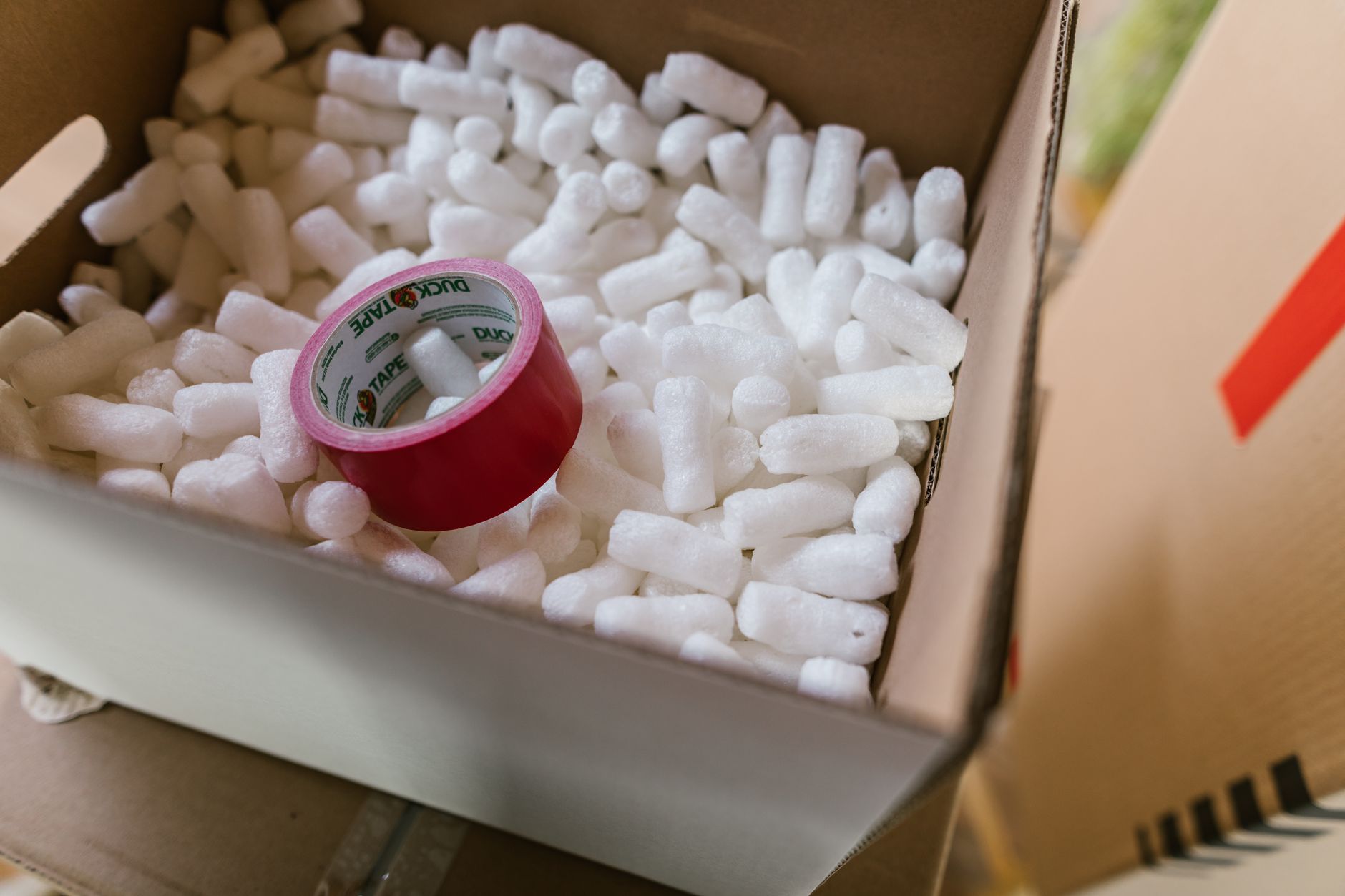
Polystyrene, often known as Styrofoam, is battling for its reputation as environmental groups and new laws increasingly restrict its use. This plastic, common in foam cups and packaging, is notoriously difficult to recycle and a significant source of pollution, breaking into tiny pieces that harm marine life. In response, a new industry alliance is working to prove the material is safe and can be a part of a sustainable future. Their push comes as communities worldwide demand urgent action against plastic waste, highlighting the critical need for truly effective recycling solutions to protect our planet.
Polystyrene, widely recognized as Styrofoam, has long been a target for environmentalists. This lightweight plastic, often used in food packaging and cushioning, is a major contributor to plastic pollution. It breaks down into small, persistent fragments that endanger marine environments and wildlife, and most community recycling programs simply can’t handle it. For years, the public has been pushing back, leading to bans in many places and even voluntary industry agreements listing it as "problematic."
However, the polystyrene industry is determined to change this narrative. A new alliance of manufacturers is actively working to rehabilitate the material's image, arguing it's safe, efficient, and misunderstood. They highlight its minimal material use, which could reduce its overall environmental footprint in some applications. While concerns persist about its chemical components and potential health risks, the industry asserts that, when used correctly, polystyrene poses no significant danger.
The biggest hurdle remains recycling. Polystyrene's light weight and bulk make traditional recycling uneconomical, with only a tiny fraction currently being recycled in the U.S. To overcome this, the industry is investing in solutions like specialized densifier machines that compact foam, making it easier to transport. They also promote chemical recycling methods, though these are often criticized by environmental groups as energy-intensive and potentially creating hazardous byproducts. With new laws requiring producers to help fund recycling, the pressure is on to prove that polystyrene can genuinely be part of a circular economy.
Despite these industry efforts, groups like Oceana continue to advocate for widespread restrictions, reflecting a strong public desire for less single-use plastic. The fate of polystyrene serves as a powerful reminder of the urgent need for sustainable material innovation and effective waste management strategies to combat the global plastic crisis and protect our fragile ecosystems.