Hawaiʻi Faces a Hidden Threat After Disasters

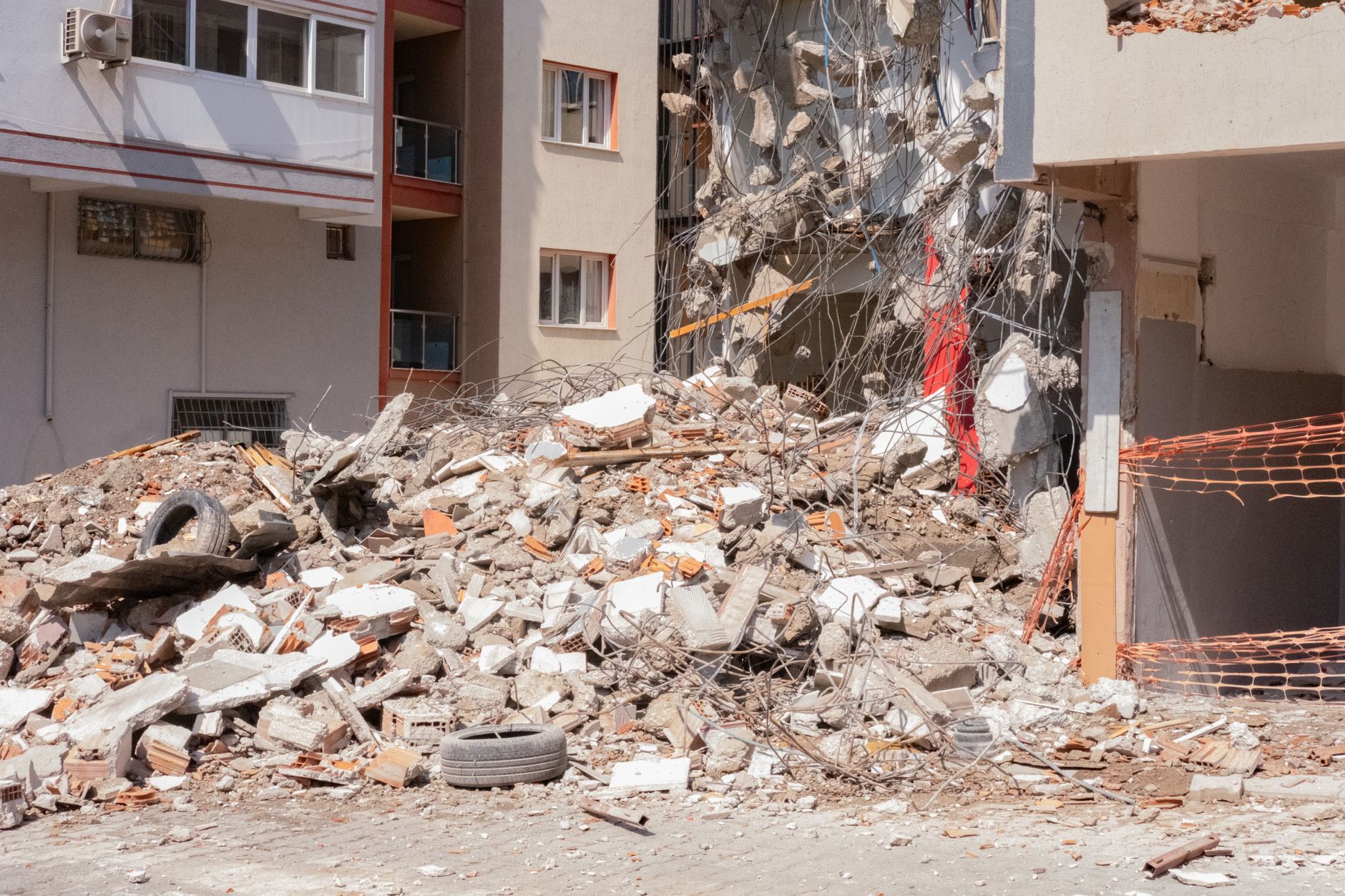
Hawaiʻi homeowners are grappling with rebuilding after recent hurricanes and wildfires, a challenge made worse by a surge in disaster-related scams. As climate change intensifies natural disasters, communities worldwide face similar risks. This critical situation highlights the urgent need for residents to understand how to protect themselves from predatory contractor fraud, ensuring their recovery isn't undermined by exploitation. Learning from past experiences in places like Maui is key to building resilience against these growing threats.
Across Hawaiʻi, residents are working tirelessly to recover from a series of devastating natural disasters. From the ongoing cleanup after Hurricanes Lowell and Lala on Kauaʻi and Hawaiʻi island to the rebuilding efforts following the 2023 Maui wildfires and earlier Kona low storms on Oʻahu, Maui, and Molokaʻi, the path to recovery is long and arduous. Unfortunately, this vulnerability is often exploited by scammers.
State Senator Angus McKelvey, who lost his home in the Lahaina fire, notes that while the "aloha spirit" is strong, the reality is that bad actors prey on those in distress. A joint investigation by Civil Beat and Inside Climate News found that despite numerous complaints about contractor misconduct after the Lahaina fire, criminal charges and license revocations have been scarce. This lack of accountability leaves survivors struggling further.
The challenge isn't unique to Hawaiʻi. As climate change fuels more frequent and intense natural disasters globally, the risk of post-disaster fraud grows for everyone. It's vital for communities everywhere to be prepared, understanding the protective steps to avoid becoming another victim. Heidi Ho, executive director of Maui’s PONO Legal, emphasizes that education is crucial to get ahead of these issues.
Homeowners can significantly reduce their risk. Start by documenting all damage with photos and videos before cleanup for insurance purposes. Be cautious of unsolicited offers from contractors who appear at your door, by phone, or email – scammers often seek out vulnerable targets. Always get multiple repair estimates, including one from your insurer, to spot inflated prices.
Thoroughly research any potential contractor. Verify their license and good standing with the state Department of Commerce and Consumer Affairs "Business Check" website, and check references they provide. Look for reviews, and be aware that scammers might frequently change business names, so search by owner name or address too. The Better Business Bureau website can also be a resource.
Crucially, ensure all agreements are in writing. Contracts are required by state law to detail the work, costs, and timelines, and never sign a document with blank spaces or without a specified total amount. Consider consulting a legal expert, as organizations like PONO Legal offer free advice. Do not offer personal financial information over the phone or pay with gift cards. Down payments should be reasonable, typically 10-20% of the project cost, with subsequent payments tied to completed work. If problems arise during a build, withhold further payments until issues are resolved; your funds are your strongest leverage.
Should you suspect contractor misconduct, report it immediately to the state’s Regulated Industries Complaints Office by calling 808-587-4272 or filing a complaint online. You can also contact local law enforcement, and if applicable following a federally declared emergency, the federal Disaster Fraud Hotline at 866-720-5721. While justice can be slow, reporting helps officials identify repeat offenders and prevents others from falling victim. Sharing your experience with neighbors also helps build community awareness and protection against these predatory practices.