Hawaii Braces: Another Tropical Storm Heads for Big Island

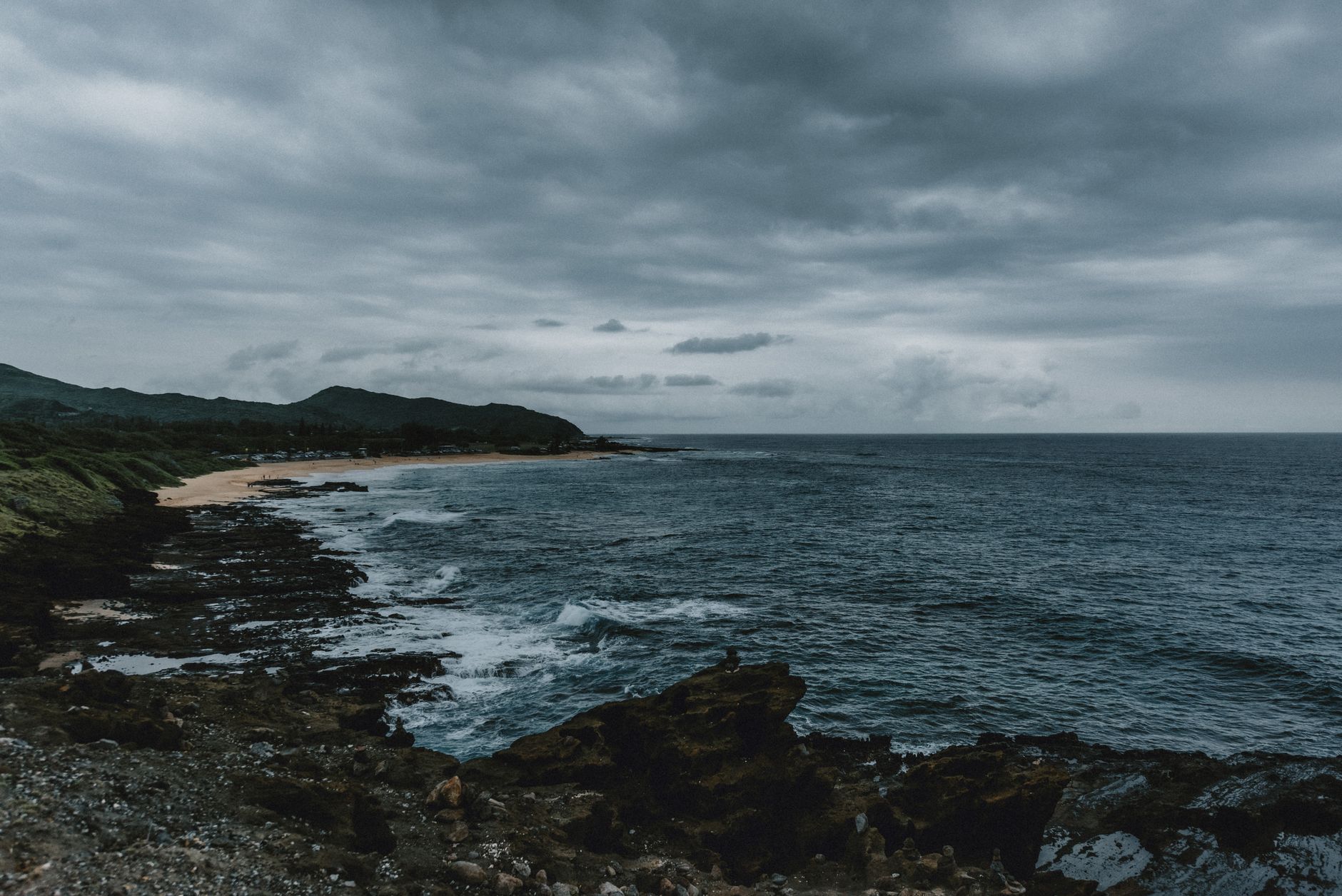
Hawaii's Big Island is once again on alert as Tropical Storm Moke approaches, threatening to bring more heavy rainfall and strong winds. Coming just a week after Hurricane Lala devastated the region with historic floods and widespread damage, residents are bracing for a compounding challenge. Moke, which formed recently in the Pacific, is expected to pass near the islands, raising concerns about further flooding and mudslides in already saturated areas. This latest storm underscores the urgent need for communities to adapt to increasingly frequent extreme weather events.
Tropical Storm Moke is advancing toward Hawaii, poised to bring renewed rainfall and gusts to the Big Island. The storm, which quickly formed in the Pacific, is expected to pass south of the island late Saturday into early Sunday, continuing its westward path through early next week. While forecasts suggest less rainfall than the previous storm, Moke's arrival compounds the immense challenges facing residents.
Just a week ago, Hurricane Lala battered the Big Island, unleashing over three feet of rain in some areas. This led to catastrophic flooding, swept away buildings, damaged critical roads and bridges, and caused widespread power outages, leaving thousands in the dark. The ground remains heavily saturated, making communities particularly vulnerable to new flooding and dangerous mudslides. The human toll is also evident, with one storm-related death reported from Lala.
Officials are urging everyone to stay vigilant and prepared, restocking essentials like food and medicine. The rapid succession of severe weather events like Lala and Moke highlights the growing pressures communities face globally from extreme weather. It underscores the importance of strengthening our resilience and accelerating sustainable solutions to protect vulnerable regions from the increasing intensity of these natural phenomena. Residents are understandably on edge, facing the prospect of more hardship after Lala’s devastating effects, feeling the 'tension in the air' as new storms approach.