Hawaii Reels from Lala: A Storm's Devastation Without Landfall [Climate Impact]

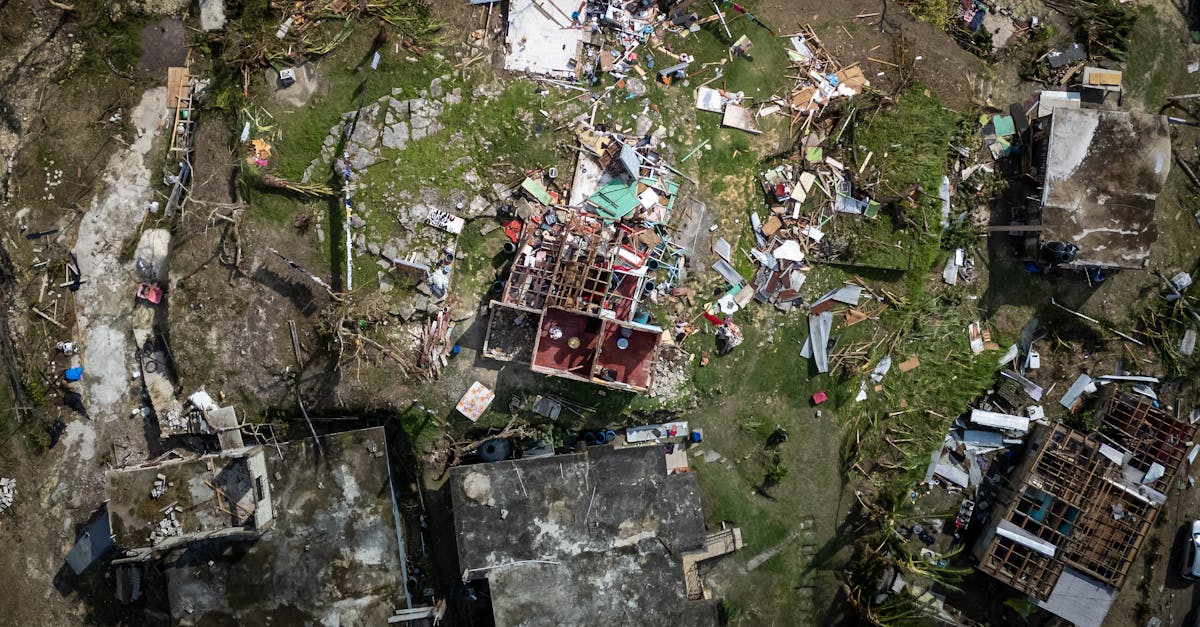
Hurricane Lala, despite never officially making landfall, left a trail of significant destruction across Hawaii, especially the Big Island. Over 100 homes were damaged, roads blocked by felled trees, and nearly 200,000 homes and businesses lost power, with some outages expected to last for months. This unusual intensity was amplified by a strong El Niño, which warms Pacific waters. While Hawaii rarely sees such severe hurricanes, scientists warn that a stronger tropical storm season is increasingly likely in the coming decades due to rising global temperatures, highlighting the islands' growing climate vulnerability.
Even without direct landfall, Hurricane Lala delivered a powerful blow to Hawaii over the weekend. The Big Island bore the brunt of the storm, experiencing over three feet of rain in some areas, strong winds, and dangerous mudslides. More than 100 homes were damaged or swept away, while felled trees blocked crucial roads. The extensive damage to transmission lines plunged nearly 200,000 homes and businesses into darkness, with some rural communities facing weeks or even months without electricity. This devastating event, which led to evacuations and at least one death, highlighted the severe consequences of extreme weather, even when a storm's eye misses land.
Hurricanes of Lala's magnitude are historically rare for Hawaii, thanks to its cooler marine waters and vast Pacific location. However, a powerful El Niño climate pattern, which is significantly warming ocean temperatures in the central and eastern Pacific, is fueling stronger storms like Lala this year, as Scientific American reported. While researchers are still assessing the exact role of climate change in Lala specifically, scientists widely agree that the Hawaiian islands are likely to face more intense and frequent tropical storms in the coming decades as global temperatures continue to rise.
Experts, including University of Hawaiʻi at Mānoa professor David Ho, point to several factors making Hawaii particularly vulnerable. These include older homes not built to modern hurricane standards, the risk of mudslides and flooding, and an isolated power grid heavily reliant on above-ground lines. Local politicians have also voiced concerns about the lack of resilient systems and emergency preparedness, underscoring the critical need for better infrastructure and community readiness. This situation serves as a powerful reminder that taking action on climate change and investing in sustainable, resilient solutions is not just an an environmental choice, but a matter of safety and survival for communities facing increasingly severe weather events.