Hawaii's Coastline Crisis: What's Really Happening to Its Iconic Beaches?

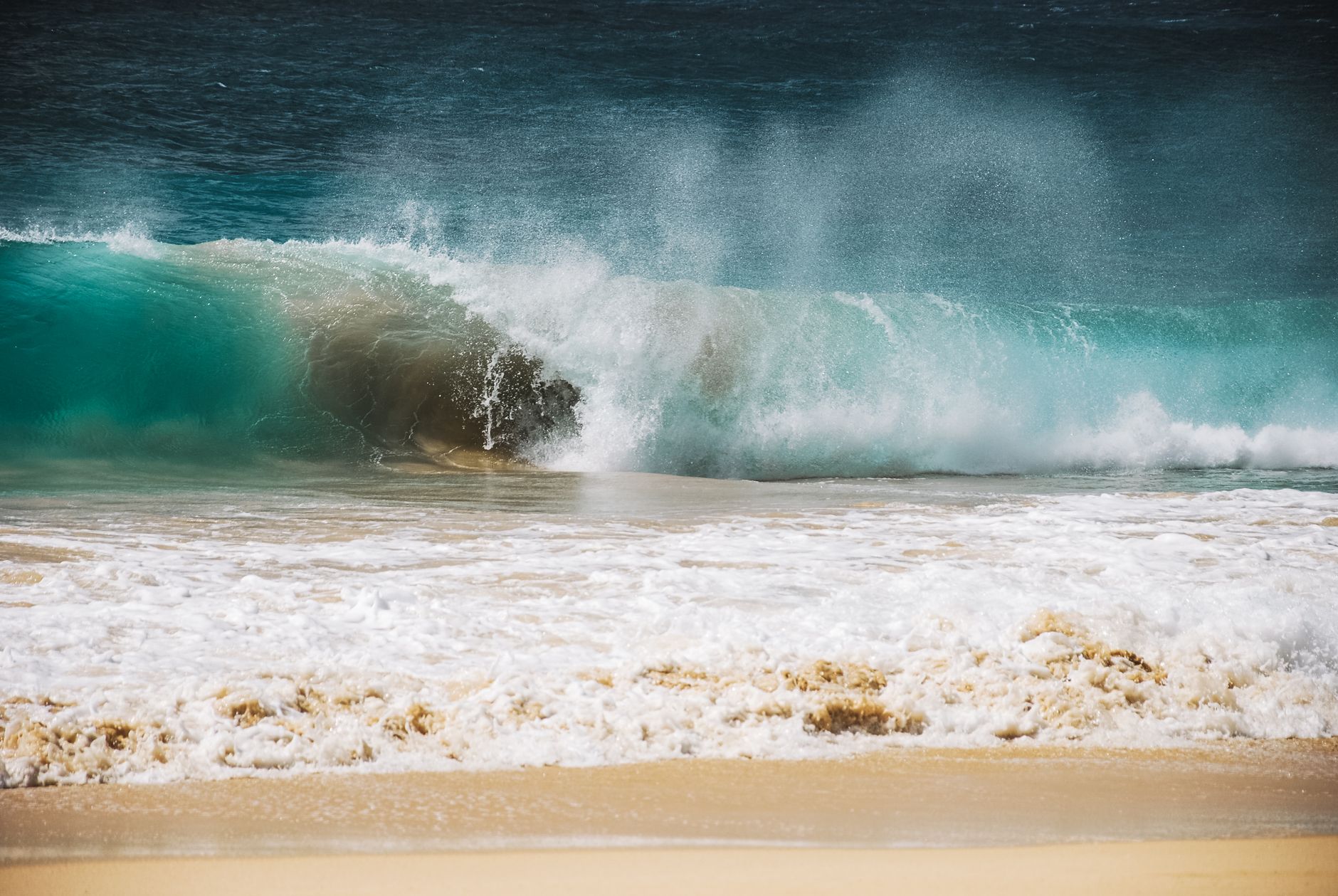
Hawaii's iconic North Shore beaches are rapidly eroding due to rising sea levels, posing a critical threat to both natural beauty and public access. Property owners, desperate to protect their investments, often build temporary barriers like seawalls, which inadvertently cause beaches to disappear even faster. This escalating crisis highlights a stark conflict between private property interests and the vital need to preserve Hawaii's public trust beaches for future generations. The state has responded with tough new laws, banning shoreline armoring and requiring sellers to disclose climate risks, pushing Hawaii to the forefront of climate adaptation policy. However, the future of these cherished coastlines depends on embracing more sustainable solutions and recognizing the urgency of climate action.
The breathtaking beaches of O’ahu’s North Shore are shrinking fast, a stark reminder of our changing climate. Nearly three-quarters of these beautiful beaches already face chronic erosion, a figure expected to climb to 90% in just 30 years as sea levels continue to rise 2020 data. This means millions of dollars in oceanfront homes are increasingly vulnerable, with some already collapsing or being moved.
To protect their properties, many owners have installed temporary barriers like "sand burritos" or seawalls. While these might seem like a quick fix, they actually harm the environment. Beaches naturally shift inland as sea levels rise, but these barriers block that movement, causing the sand to wash away faster and the beach to eventually disappear. This is a big problem because all sandy beaches in Hawaii belong to the public belong to the public, and their loss restricts public access and enjoyment.
Recognizing this urgency, Hawaii has passed groundbreaking laws. Since 2020, it has banned most coastal armoring banning coastal armoring. In 2021, a landmark law mandated that real estate sellers disclose sea-level rise risks and any illegal erosion barriers to potential buyers disclose sea-level rise risks. This means buyers are now fully informed about the climate threats their dream homes face. The state also imposes heavy fines on unpermitted structures heavy fines, making it harder to ignore the problem.
Despite these measures, the demand for oceanfront property remains high, often from nonlocal buyers who may be less sensitive to the long-term climate risks than local residents study published in 2025. This creates a tension between short-term financial gain and the long-term health of Hawaii’s precious coastlines. Environmental groups are advocating for even greater transparency, pushing for risk disclosures to be included directly in property advertisements, not just at the point of sale pivotal role in passing the real estate disclosure law.
The long-term solution likely involves "managed retreat"—strategically moving homes and infrastructure away from the encroaching sea. This is a challenging and costly endeavor, as seen in Maui where a fund for retreat was paused due to urgent wildfire recovery efforts froze new deposits. However, experts agree that allowing beaches to naturally migrate inland by removing obstacles is crucial for their survival and for protecting public access. The situation in Hawaii underscores the vital importance of global climate action and developing sustainable, adaptable solutions that respect both community needs and the natural environment.