Hawaii's Surprise Deluge: What Left Even Forecasters Baffled?

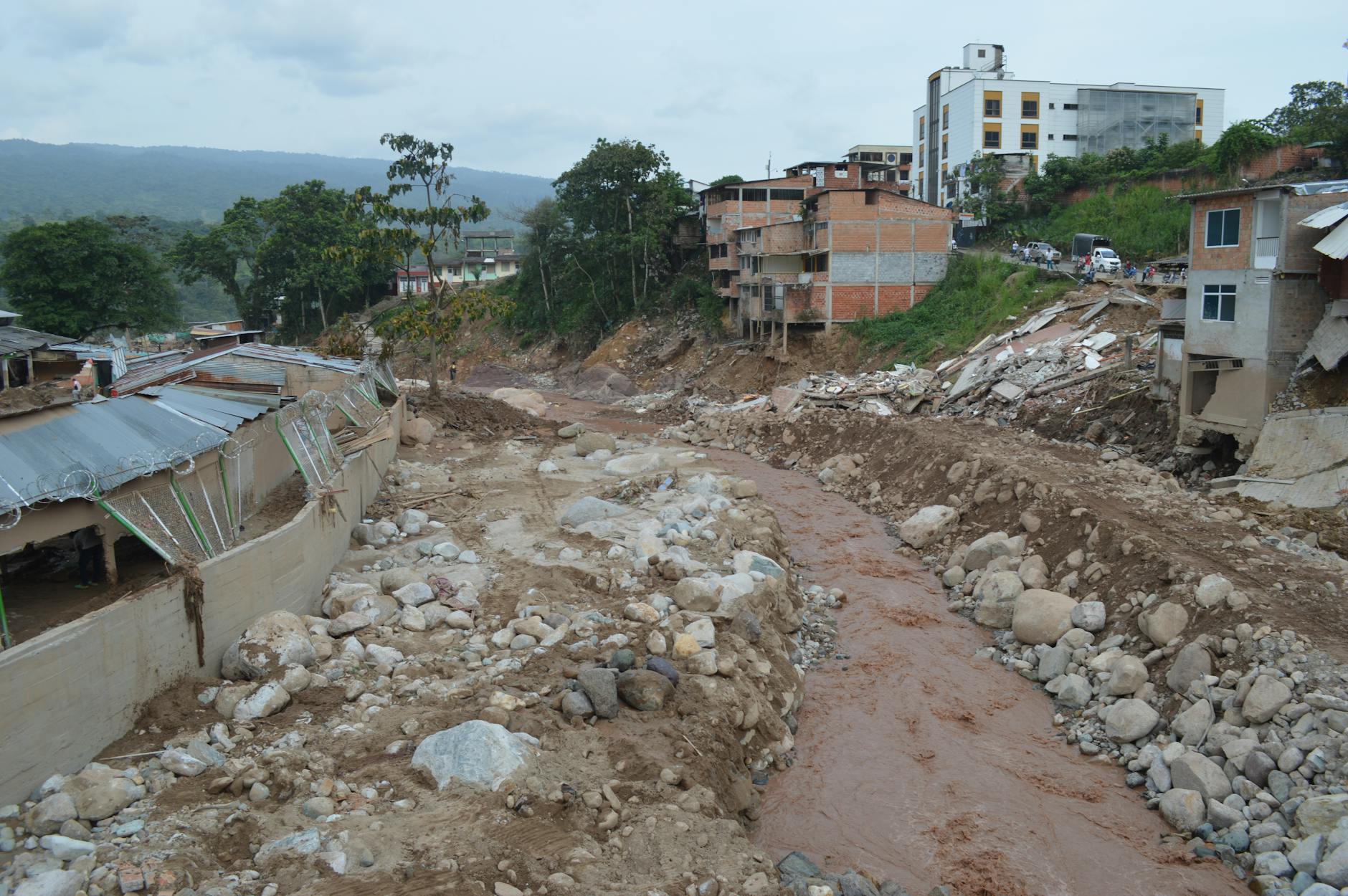
Hawaii has been hit by a series of intense, unexpected floods, with the latest deluge sending raging waters through Honolulu neighborhoods. This recent wave of destruction, which has caused over a billion dollars in damage and forced hundreds of rescues, has even surprised meteorologists with its ferocity and localized intensity. Experts warn that the increasing frequency and severity of such heavy rains are directly linked to human-caused global warming, underscoring the urgent need for climate action and adaptation for vulnerable island communities.
Crews are now assessing the extensive damage across Oahu after surprise floodwaters swamped neighborhoods, swept away cars, and coated homes in thick, reddish volcanic mud. Residents like Natalie Aczon witnessed streets turn into roaring rivers within minutes, while Michael McEwan and Heather Nakahara were trapped for hours as their home filled with water and silt. This intense flooding follows earlier storms that had already left the North Shore reeling, leading to warnings about the 120-year-old Wahiawa dam, which has a “high hazard potential” and a history of safety concerns.
The sheer power of the downpour took even National Weather Service meteorologists by surprise, as their models struggle to predict the exact moisture content of lingering storm systems. While some areas received inches of rain per hour, others just miles away stayed dry, highlighting the highly localized nature of these intense events.
This isn't just an isolated incident; experts highlight that the increasing intensity and frequency of heavy rains in Hawaii are a direct consequence of human-caused global warming. Such devastating events make it clear that communities must accelerate efforts to prepare for a future with more extreme weather. Protecting our environment and investing in sustainable solutions are no longer distant goals but immediate necessities to safeguard lives and livelihoods against the escalating impacts of climate change.