Hawaii's Unprecedented Hurricane Year: What's Driving It?

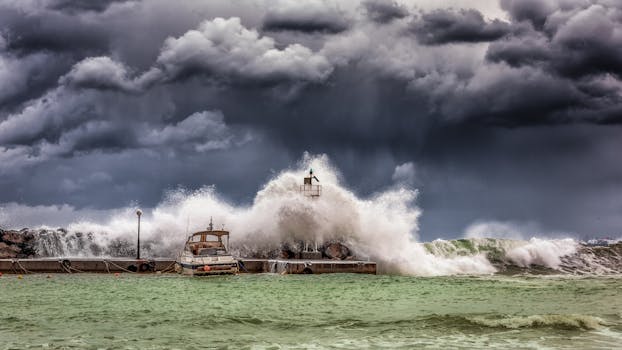
The Pacific Ocean is experiencing an unusually active hurricane season, with multiple powerful storms simultaneously threatening landmasses. Hawaii is facing its third hurricane watch this year, a record, as Tropical Storm Nolo rapidly strengthens and brings predictions of extreme rainfall. Meanwhile, Hurricane Polo, a prolonged major hurricane, is forecast to impact Mexico's Baja California Peninsula with significant force. This surge in activity underscores the urgent need to address climate change, as warmer waters often fuel more intense and frequent weather events, demanding heightened preparedness from vulnerable communities.
Hawaii is bracing for significant impacts from Tropical Storm Nolo, which is expected to intensify into a major hurricane. Forecasters predict that Nolo will bring up to 35 inches of rain to parts of the Big Island, along with strong winds and dangerous waves. This comes shortly after Hurricane Lala dumped over 43 inches of rain on Laupāhoehoe, marking one of Hawaii's wettest events on record. The state has already endured two major hurricanes this year, Lala and Lowell, making Nolo's approach truly unprecedented; Hawaii has now issued more hurricane watches in 2026 than the entire U.S. mainland.
Further east, Hurricane Polo continues its journey as a formidable Category 4 or 5 storm, though it has begun to move away from Mexico's southwestern coast. Despite this, areas like Jalisco will still experience heavy rainfall. Polo is forecast to make a dangerous turn toward the Baja California Peninsula early next week, potentially hitting as a Category 3 hurricane. This could rival the strength of historical landfalls like Norbert (2008) and Jimena (2009), which caused extensive damage and significant rainfall, highlighting the grave risks from such powerful storms. Its remnants could even affect the U.S. Southwest.
This spike in extreme weather events serves as a stark reminder of our changing climate. Warmer ocean temperatures, a consequence of global warming, provide more energy for tropical cyclones, potentially leading to stronger and more damaging storms. Investing in sustainable solutions and rapidly transitioning to clean energy are crucial steps to mitigate these increasing threats. While attention focuses on the Pacific, a revived Tropical Storm Fay is weakening in the Atlantic, and a new tropical wave near the Cabo Verde Islands could soon become the next named storm, Gonzalo, further illustrating a busy global hurricane season. It’s more critical than ever to support environmental protection and collective action against climate change.