Hidden Danger: California's Farms Face Huge Winter Risk

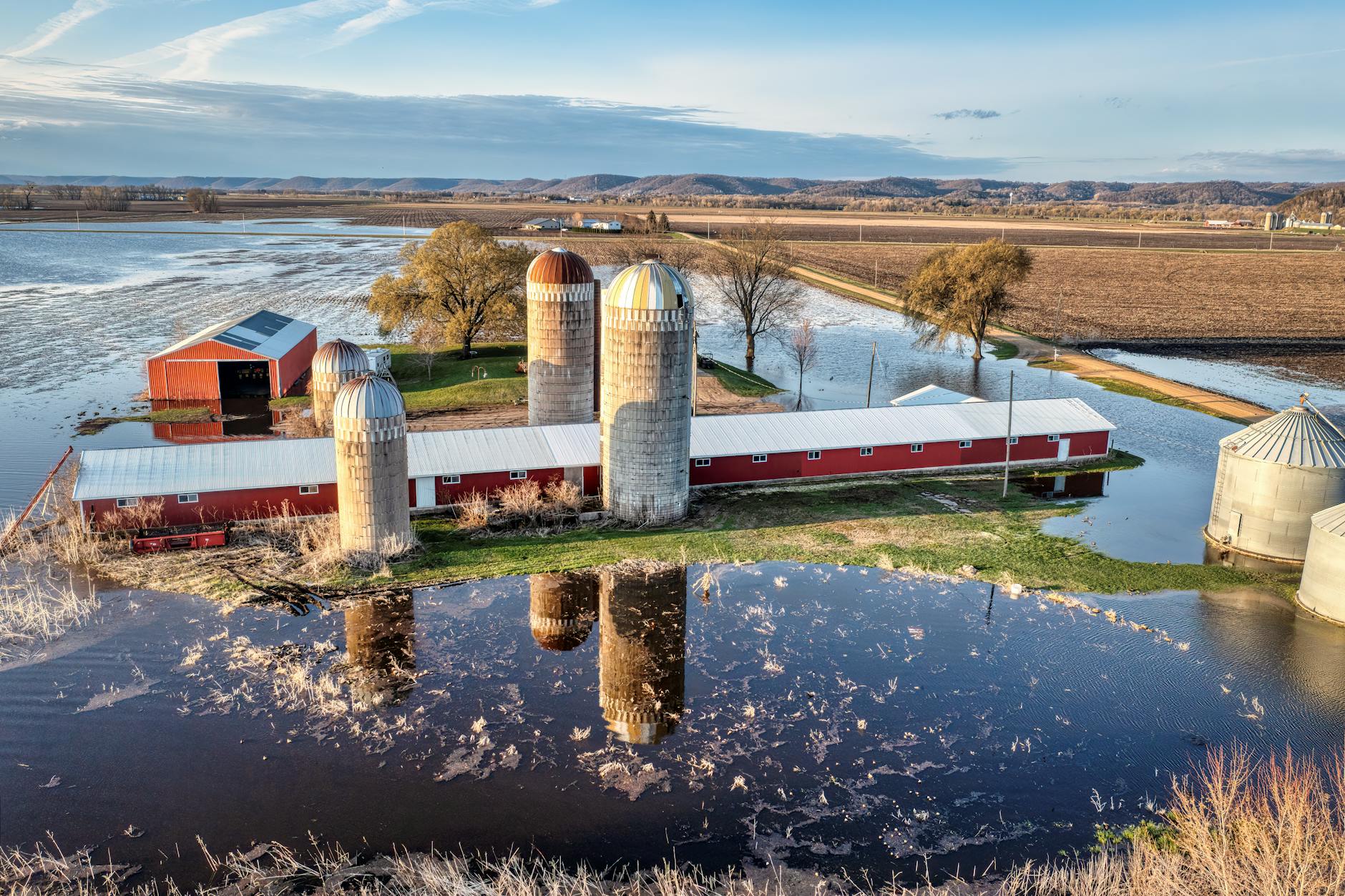
California's San Joaquin Valley is bracing for a historic El Niño event this winter, which threatens to unleash devastating floods. A major concern is the potential overflow of thousands of manure lagoons on dairy farms, storing vast amounts of cow waste. These 'ticking time bombs' contain contaminants like chloride, nitrogen, and pathogens, posing serious risks to the environment and nearby communities. Experts warn of widespread pollution, including contaminated drinking water and the spread of toxic sludge, highlighting the urgent need for robust environmental preparedness in the face of worsening climate impacts.
The San Joaquin Valley, home to over a thousand dairy farms, relies on these lagoons to manage animal waste. When extreme weather hits, as seen during atmospheric rivers three years ago, these systems can be overwhelmed, with unknown consequences for many rural, often Hispanic, communities. Even without flooding, these waste pools already contribute to groundwater and air pollution, raising health concerns for residents nearby. The Union of Concerned Scientists highlights how past efforts focused more on saving animals than on preventing this environmental disaster.
Farmers like Justin Leyendekker are preparing by lowering lagoon levels, but the sheer scale of the forecasted El Niño is unprecedented. A recent study in Science suggests the current El Niño could be the strongest in over a millennium, amplifying the risk. Officials are providing resources, yet concerns remain that current preparedness standards are outdated. Emily Miller from Food & Water Watch points out that the '25-year storm' benchmark used by many dairies is based on data from a 1961 technical paper. This old data fails to account for the increasing frequency and intensity of extreme rainfall fueled by climate change, making current infrastructure potentially inadequate.
The threat isn't new; similar overflows in Iowa and North Carolina have led to 'fecal soup' contaminating neighborhoods and drinking water. With countless lagoons potentially unprepared for the severe downpours, the risk of environmental catastrophe is high. This situation underscores the urgent need for updated environmental regulations and proactive measures to protect both natural resources and vulnerable communities from the escalating impacts of a changing climate. Collective action and investment in sustainable waste management are crucial to prevent widespread pollution.