Hidden Danger: Microplastics Found Deep in Sierra Snowpack [Research]

Groundbreaking research by UC Riverside scientist Aleksandra Karapetrova reveals that microscopic plastic particles have infiltrated the remote snowpack of California's Sierra Nevada mountains. This discovery highlights a concerning environmental issue, as the Sierra snowpack is a crucial source of drinking water for millions of Californians and vital for agriculture. The study shows how these invisible pollutants, carried by atmospheric currents, are swept down by storms, underscoring the widespread impact of plastic pollution on even the most pristine environments and the urgent need for action.
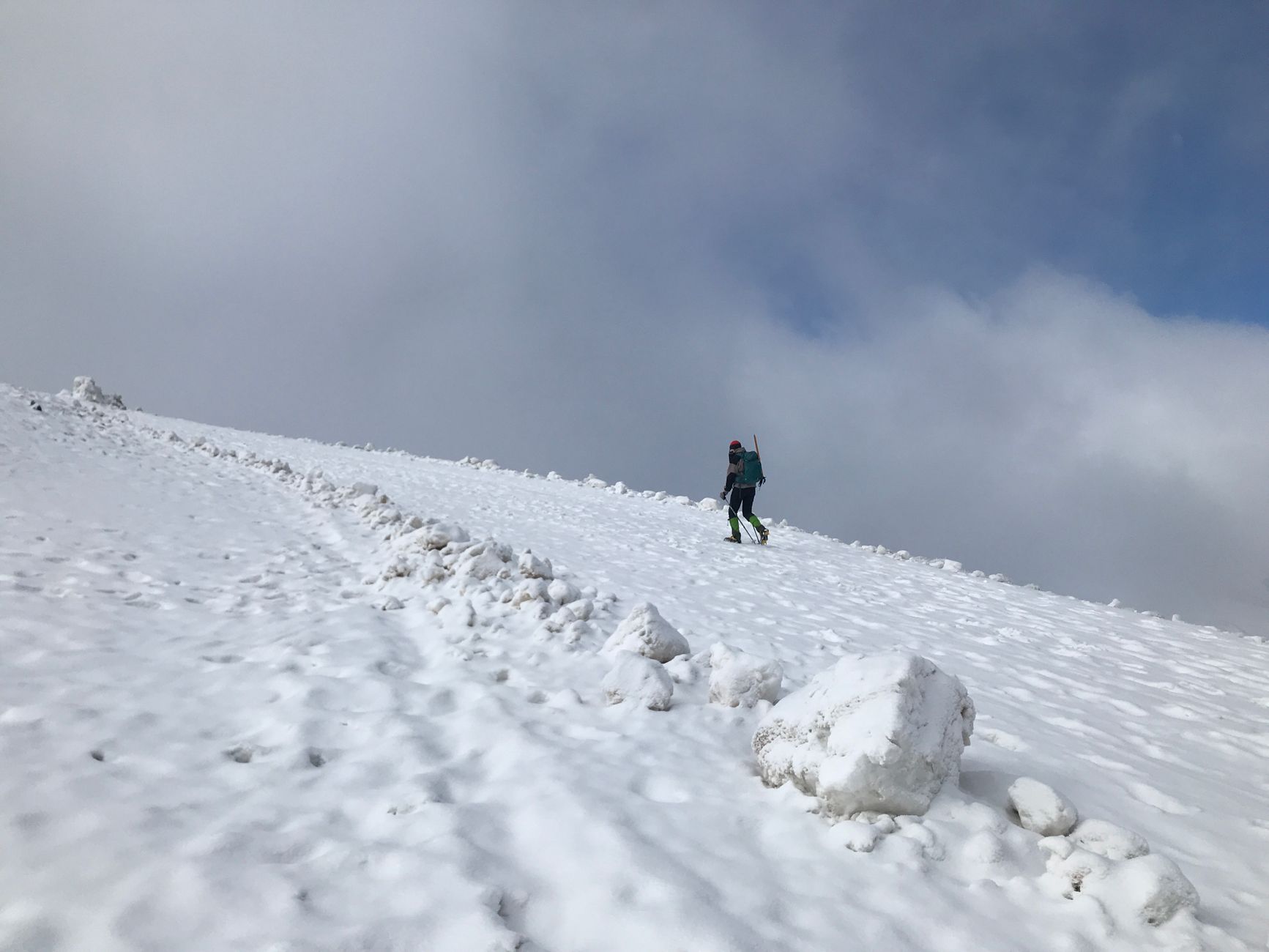
Aleksandra Karapetrova, an environmental scientist with a passion for the outdoors, combined her love for ski mountaineering with her toxicology research to investigate microplastic presence in the Sierra. Skiing dozens of miles into untouched regions, she collected snow samples far from human activity, confirming that microplastics are now an undeniable part of our water cycle.
Her team’s findings, published in a new paper, indicate that storms act like natural scrub brushes, clearing plastic from the air. The longer the period between snowfalls, the more microplastics accumulate in the atmosphere, leading to higher concentrations in the subsequent fresh snow. For instance, a storm after 28 dry days brought down significantly more plastic than one following just four dry days.
This research is particularly important for California, where about 27 million residents rely on water from the Sierra snowpack. The discovery that these tiny plastic shards are being deposited into our future drinking water highlights the pervasive nature of plastic pollution and its far-reaching environmental consequences. It serves as a stark reminder that what we release into the environment, even far from cities, eventually returns to affect our natural resources.
The scientists were incredibly meticulous to ensure their samples weren't contaminated by their own gear, wearing specific natural fibers and using metal tools. This rigor lends strong credibility to their alarming results. As one expert noted, the study offers a sober reminder of plastic's global reach, affecting even remote alpine areas, and reinforces the critical importance of research and collective action to reduce plastic pollution and protect our planet.