Hidden Danger: Prisons and Jails Lack Disaster Evacuation Plans

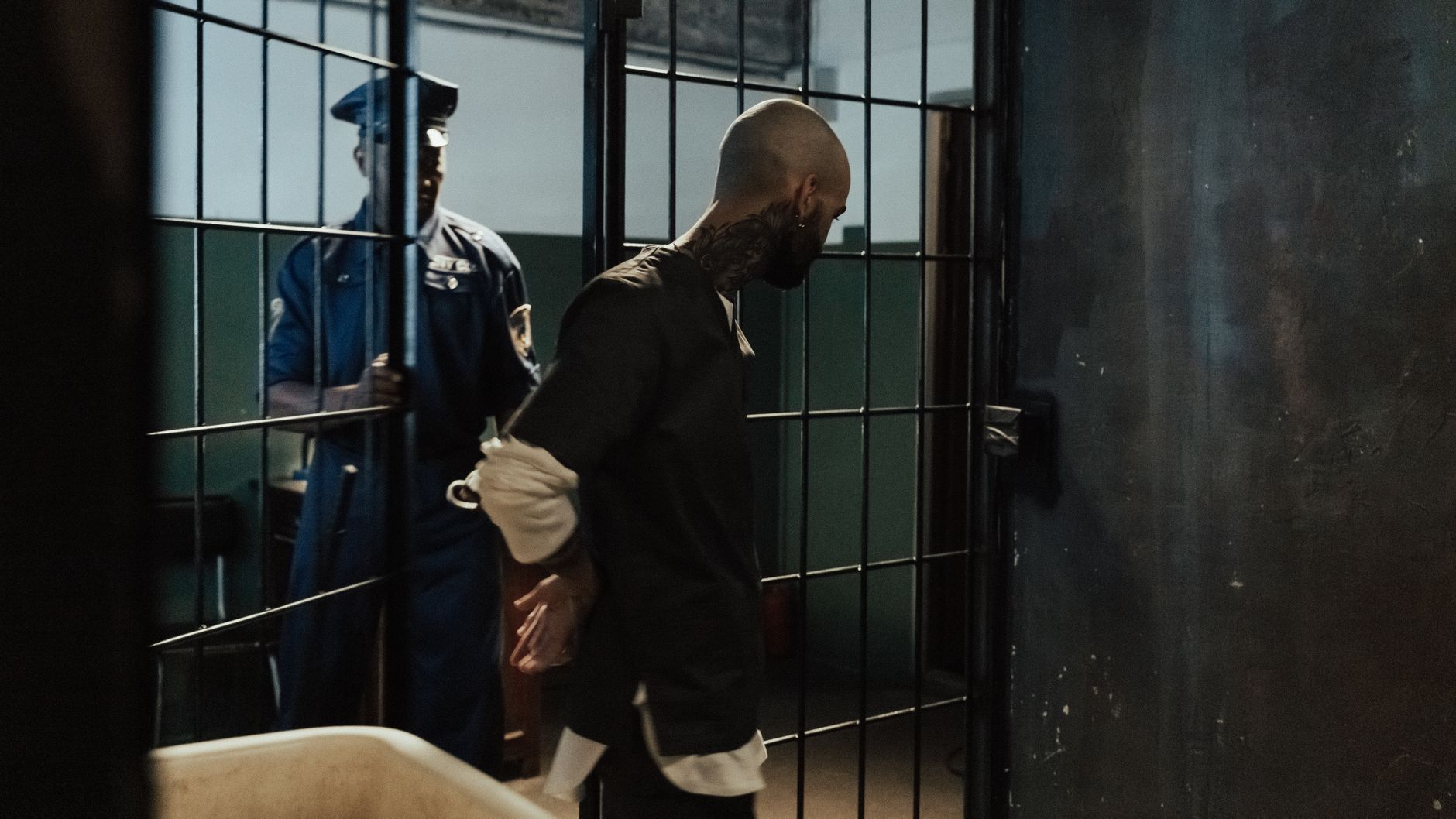
As extreme weather events become more frequent, a critical gap in disaster preparedness has emerged: many prisons and jails lack proper evacuation procedures. Across states hit by hurricanes like Milton and Harvey, incarcerated individuals have been left in danger, often without a clear plan. Experts confirm there's no nationwide standard, leading to situations where people face flooded cells, power outages, and isolation. This escalating risk, intensified by climate change, underscores the urgent need for comprehensive government plans to ensure no one is left behind during crises.
When severe storms like Hurricane Milton hit Florida or Hurricane Harvey struck Texas, many communities issue mandatory evacuation orders. Yet, surprisingly, several jails in affected areas have not evacuated the people inside. This alarming trend repeats across the country, highlighting a systemic issue: there's no consistent, nationwide plan for moving incarcerated individuals safely during disasters.
Environmental and disaster sociologist Maggie León-Corwin points out that policies vary greatly, and many facilities simply don't have the resources needed. This often means a lack of buses or secure alternative locations with enough space to house people safely. Consequently, incarcerated individuals are sometimes left behind, unable to contact family and enduring dire conditions like flooded cells, prolonged power outages, and a complete loss of running water.
This situation is critical because climate change is making extreme weather events more frequent and intense. It’s imperative that governments develop clear, comprehensive procedures to keep everyone safe, especially those behind bars, during these growing threats. As León-Corwin emphasizes, it’s really important that we not leave anyone behind, certainly not behind bars, as we face a future with more unpredictable weather, a sentiment echoed by research from the University of Colorado Boulder's Natural Hazards Center.