Hidden Danger: What's Polluting Mexico's Howler Monkeys?

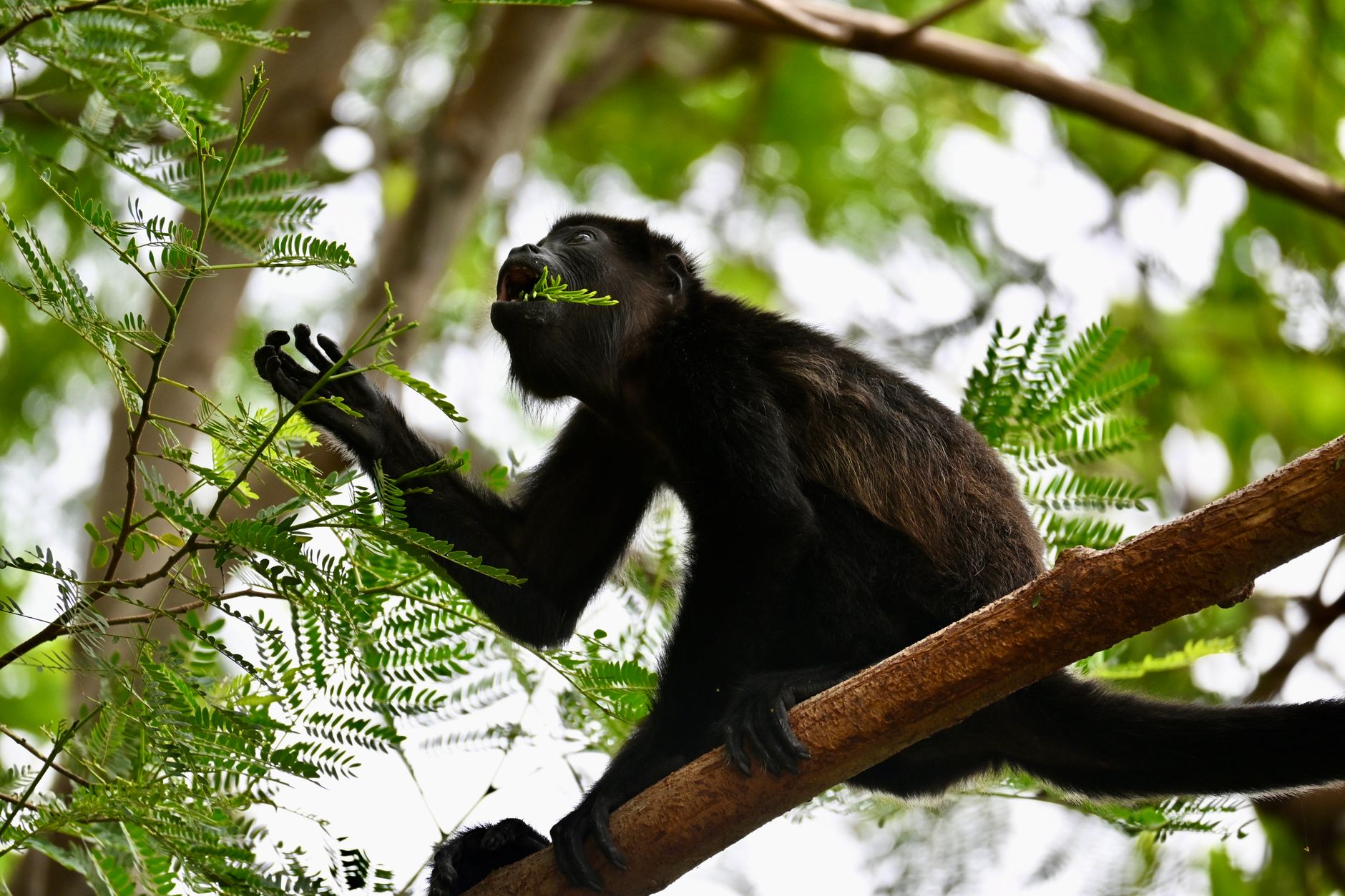
A recent study in Mexico’s Los Tuxtlas UNESCO biosphere reserve has uncovered alarming news: over 90 percent of howler monkey waste samples contain microplastics. This critical finding highlights the pervasive reach of human pollution, even into protected natural habitats. These tiny plastic fragments, often from improper waste disposal in nearby communities, pose a new threat to an already endangered species. The situation underscores the urgent need for better waste management and greater awareness to protect our planet's most vulnerable inhabitants.
For thousands of years, Mexican howler monkeys have thrived in the Los Tuxtlas UNESCO biosphere reserve. However, a recent study published in the Journal of Hazardous Materials Advances reveals a disturbing truth: over 90 percent of their fecal samples are contaminated with microplastics. This finding is particularly concerning for a protected area like Los Tuxtlas, which UNESCO designates as a site for sustainable human activities.
The microplastics largely originate from nearby human settlements. Local communities often burn plastic waste, making it brittle and easily carried by air onto the tree leaves the monkeys eat. This widespread issue is not solely individual fault; a systemic shift to plastic by manufacturers since the 1990s was not matched with proper education on disposal, leaving many communities without adequate solutions or awareness of the environmental consequences.
While the exact health impacts on howler monkeys are still being studied, previous research links microplastic ingestion to serious conditions like hormonal disruptions and chronic inflammation in other animals. This new threat adds to the already dire situation for the Mexican howler monkey, which is an endangered species. They face significant challenges from expanding human settlements, deforestation, and rising temperatures, with over 200 monkeys tragically dying from heat exhaustion in 2024 alone. The presence of these pollutants in monkeys suggests other wildlife in the reserve are likely affected too.
Bridging the gap between scientific findings and public understanding is crucial. Researchers like María Fernanda Álvarez Velázquez, the study's lead author, are actively working to raise awareness, for instance, through a documentary called “Aunque no vuelva a verte nunca.” This film helps explain the science to a general audience and highlights the urgent need for collective action. Children, in particular, show a deep understanding and concern about these environmental issues.
This study serves as a critical turning point, urging communities and leaders to implement effective solid waste management programs. Protecting these magnificent creatures and their habitat means building more responsible relationships with our environment, ensuring a healthier future for all who share our world.