Hidden Flood Threat: What "Compound Flooding" Means for Coasts

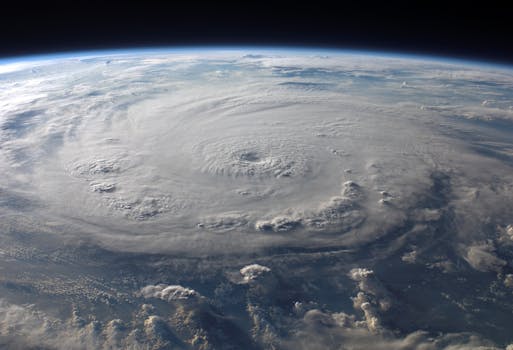
In 2017, Hurricane Harvey delivered a devastating blow to Texas, causing unprecedented flooding. This disaster was a prime example of "compound flooding," where heavy rainfall combines with storm surge, trapping water inland. Scientists warn that such events are set to become far more frequent and severe along U.S. coastlines. Driven by a warming planet, this escalating threat of combined floods, stronger storms, and rising sea levels poses a dire future for coastal communities, risking their very livability within this century.
Hurricane Harvey in 2017, though initially weak, became the second-costliest weather disaster globally, largely due to extreme flooding. It showcased a phenomenon known as "compound flooding," where heavy rain from the storm couldn't drain into the ocean because coastal storm surge blocked its path. This combination led to widespread devastation across a huge area, dumping over 60 inches of rain in some spots in Texas.
The danger of such compound floods is rapidly escalating due to climate change. A warmer atmosphere holds more water, leading to heavier rainfall. We're also seeing more intense and slower-moving hurricanes, which linger longer over land, dropping more precipitation. On top of this, rising sea levels mean that coastal waters are already higher, making storm surges more impactful and drainage more difficult. A 2022 study highlights how these factors vary in importance across different U.S. coastal regions, but the overall trend is toward greater flood risk.
The future outlook is grim. Research shows that if a Harvey-like storm hits in 2050 with expected sea-level rise and increased rainfall, the area affected by compound flooding could nearly double, impacting 23 times more structures by 2100. What used to be a "one-in-100-year" extreme compound flood event could become 7 to 36 times more frequent in the Southern U.S. and an astounding 30 to 195 times more common in the North by the end of the century according to another 2022 study. Even a Hurricane Sandy-like event in New York City could become five times more likely by 2100 a 2024 paper found.
This drastic increase in flood risk, including inland areas as identified by recent studies, means that large portions of the U.S. Gulf and Atlantic coasts are almost certainly on track to become unlivable by late this century. Sea level rise alone has already quadrupled the frequency of coastal sea-level extremes since 1900 according to a 2026 study, and this trend is accelerating. Protecting critical infrastructure will require immense spending, while other areas face inevitable abandonment. This underscores the urgent need for global climate action and sustainable solutions to lessen the severity of these future impacts and protect our communities.