Hidden Histories Emerge with Warming Planet, But at What Cost?

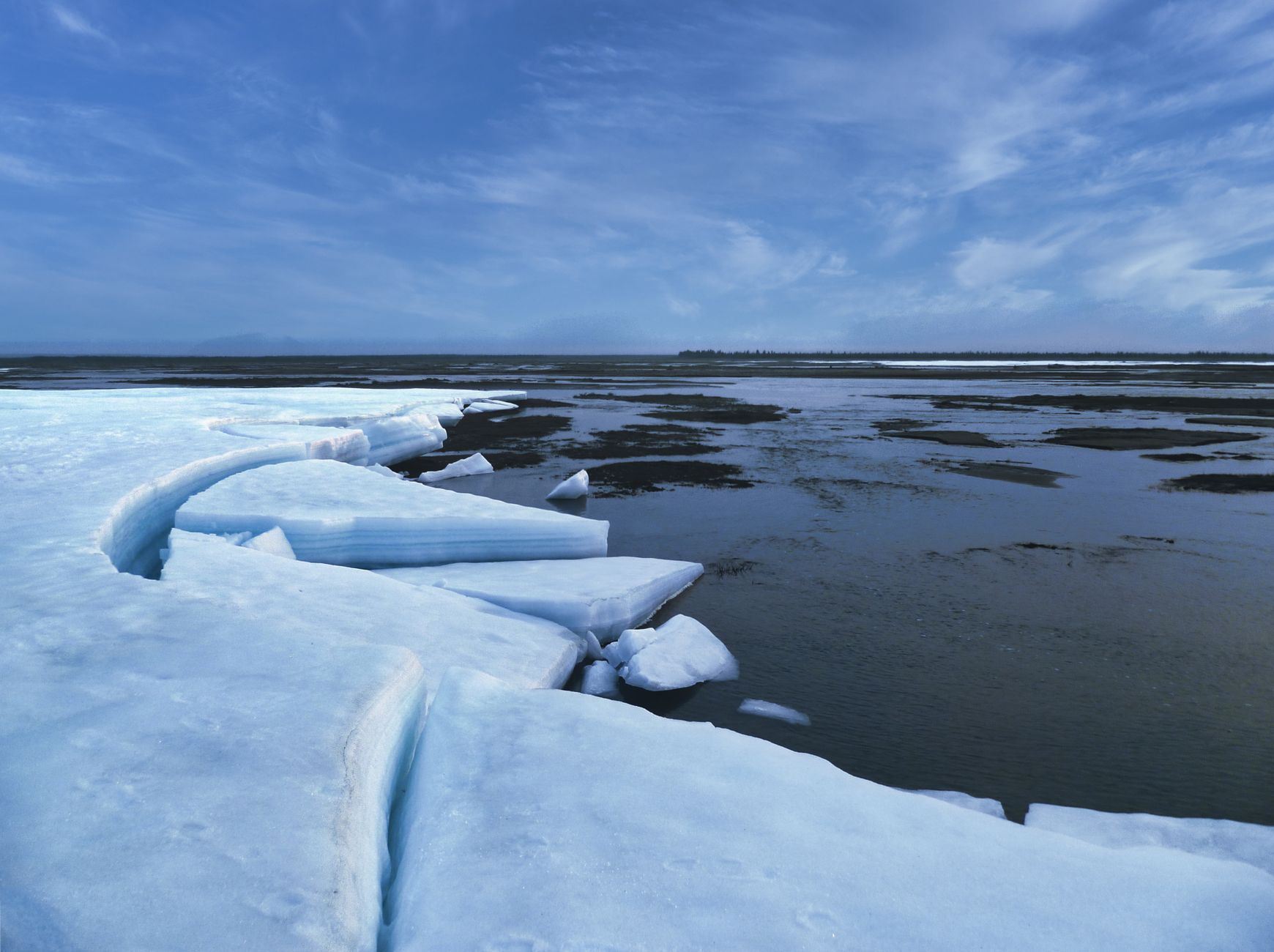
Climate change is creating a profound paradox for archaeology, simultaneously uncovering ancient secrets and threatening their very existence. As global temperatures rise and ice melts, previously inaccessible sites are being revealed, offering unprecedented glimpses into human history. However, these same environmental shifts, from accelerated erosion to rising sea levels, are also rapidly destroying delicate artifacts and ancient settlements. Researchers like Jørgen Hollesen from the National Museum of Denmark are urgently working to understand and document these discoveries before they are lost forever, underscoring the critical need for climate action to protect our shared heritage.
Around the world, the impacts of a warming climate are literally reshaping landscapes, from melting permafrost in the Arctic to receding coastlines. These dramatic changes are bringing to light an incredible array of archaeological treasures, including tools, settlements, and even ancient human remains. For scientists, each new find offers a precious opportunity to learn more about past civilizations, how they lived, and how they adapted to their own changing environments.
Yet, this silver lining comes with an immense and immediate danger. The very forces that expose these sites—such as rapid erosion, rising water levels, and thawing ground—also cause them to deteriorate at an alarming rate. Once protected by ice or soil, these ancient relics quickly fall apart when exposed to air and weather. This means that invaluable pieces of our human story are emerging only to face swift destruction, making the race to study and preserve them incredibly urgent.
This unfolding crisis highlights the profound and far-reaching consequences of global warming, not just for our future, but for our understanding of our past. Protecting our historical and cultural heritage is another compelling reason to act decisively on climate change. Embracing sustainable solutions and pushing for a cleaner, more stable environment is crucial to safeguard both our planet's future and the irreplaceable records of human endeavor.