Hidden Ocean Wave Threatens California Coast: What You Need to Know

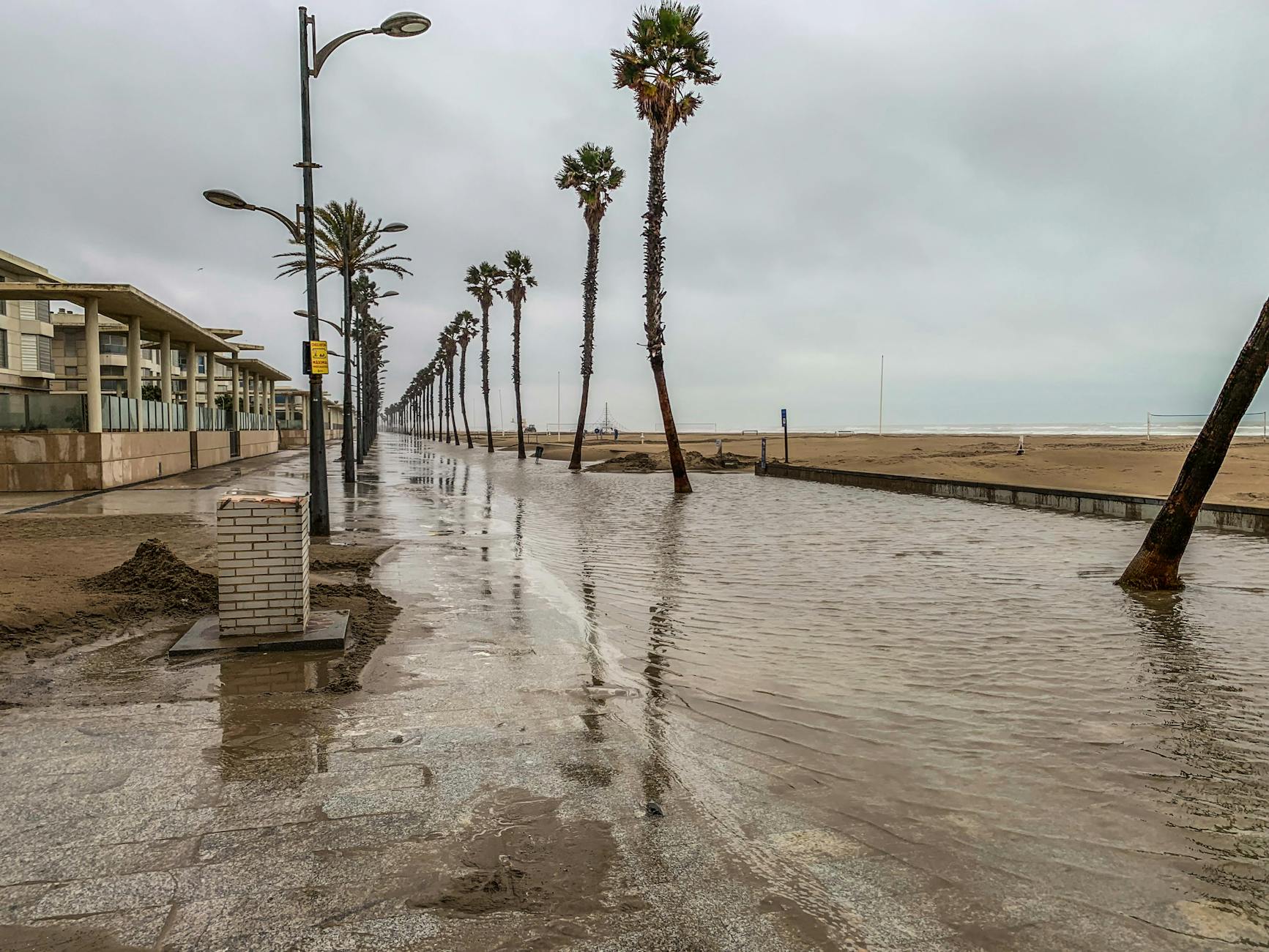
Southern California faces a rising threat from a Kelvin wave, an invisible oceanic pulse fueled by a potentially historic El Niño. This wave, silently adding inches to sea levels, combines with warming oceans and hurricane swells, escalating risks of coastal flooding and erosion. Experts warn of the highest sea levels ever recorded this season, impacting communities and infrastructure. This situation underscores the urgent need for global warming awareness and preparedness as climate patterns intensify.
The California coast is currently experiencing the effects of a unique and powerful ocean phenomenon: a Kelvin wave. Unlike typical ocean waves, you won't see this "coastally trapped" aquatic pulse crash on shore. However, it’s far from harmless, silently adding 6 to 12 inches to background sea levels for potentially months. This unseen surge, combined with other factors, is a major concern for coastal cities and property owners across Southern California.
This Kelvin wave is driven by a strong El Niño climate pattern, which is warming ocean waters in the central and eastern Pacific. As these waters heat up, they expand and contribute to rising sea levels. Experts like Daniel Swain, a climate scientist with UC Agriculture and Natural Resources, explain that the wave's arrival is a gradual increase over hundreds of miles, making its impact widespread, as he discussed in a recent livestream. This El Niño is expected to be one of the strongest on record, exacerbating the challenges posed by human-caused climate change.
While a Kelvin wave by itself might not cause immediate flooding, it significantly amplifies the danger when combined with high tides or storms. Forecasters are warning of dangerous swells from distant hurricanes this week, increasing the risk of coastal flood impacts, especially for vulnerable areas like the Long Beach Peninsula. Already, tides in Santa Monica have been measured at 11 inches above official forecasts, with significant beach erosion reported in multiple cities including Laguna Beach and San Clemente. Governor Gavin Newsom has already declared a statewide emergency, urging Californians to prepare for severe impacts, with many local governments, like Los Angeles County, following suit.
Scientists are particularly concerned about what's to come this winter. More powerful Kelvin waves are expected to arrive between November and January, a period that also sees naturally higher "king tides" and peak storm activity. This combination could lead to coastal flooding on a scale similar to the damaging El Niño events of 1982-83, 1997-98, and 2015-16. The Climate Prediction Center forecasts above-average precipitation for Southern California this winter. The warming of our oceans, a direct consequence of global warming, makes these events more frequent and intense, underscoring the urgent need for climate action and robust coastal protection strategies to safeguard our environment and communities.