Himalayan Catastrophe: Thousands Missing After Deadly Floods

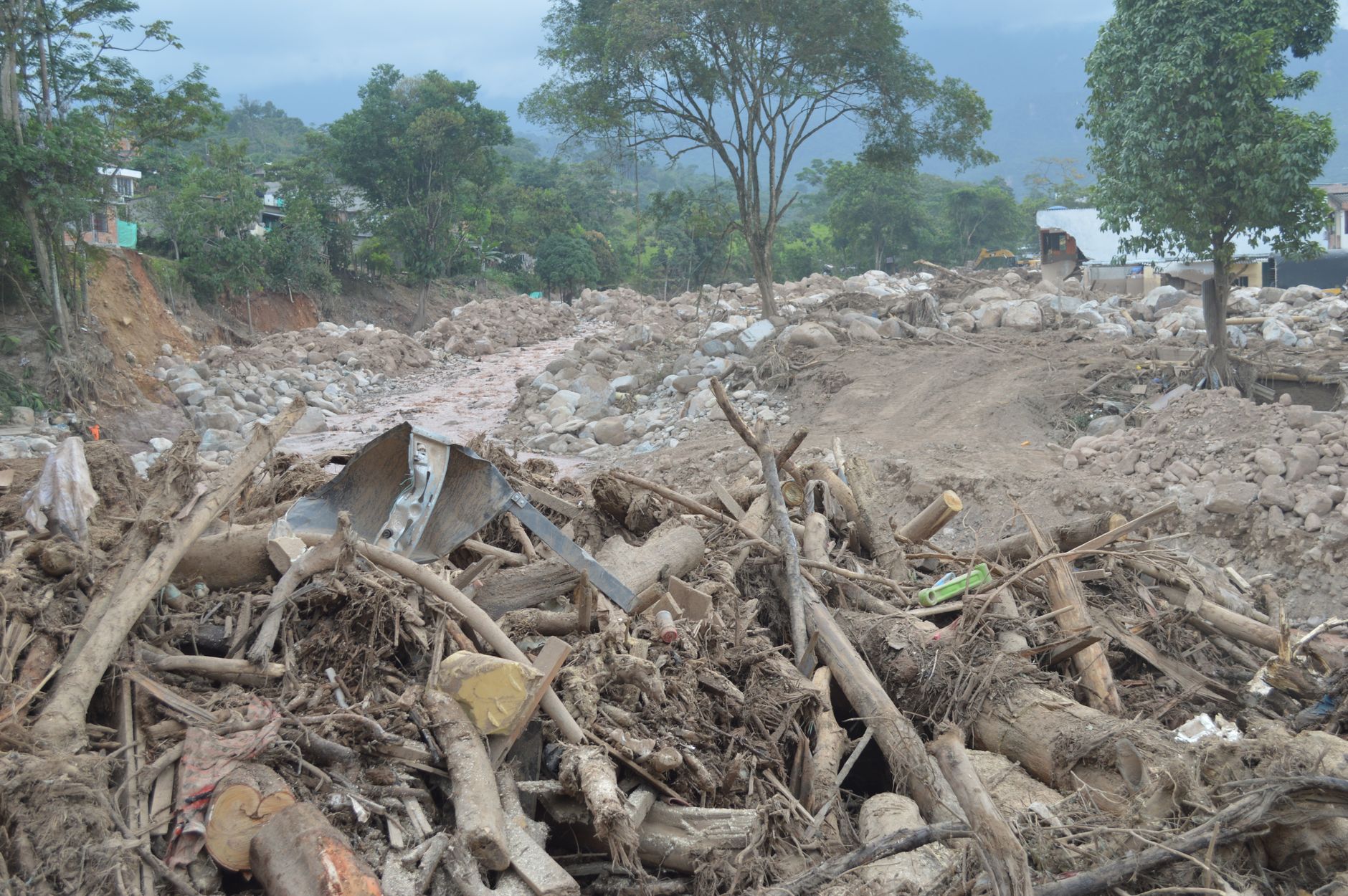
Nepal is reeling from catastrophic flash floods that have claimed over 1,000 lives and left thousands more missing along its border with China. Rescue teams are struggling with challenging conditions, including destroyed roads and unstable terrain, as they search for survivors, including hundreds of workers trapped in damaged hydropower projects. The disaster, triggered by a glacial collapse in the Himalayas, serves as a stark reminder of the escalating risks faced by vulnerable regions due to climate change, prompting urgent calls for international action.
Rescue operations continue in Nepal and China following devastating flash floods that have left an enormous trail of destruction. Over a thousand people have been confirmed dead in Nepal, with nearly 4,000 still missing, including many foreign nationals. China has also reported deaths and hundreds missing from the same event.
The sheer scale of the disaster, which occurred on August 26, is hampering rescue efforts. Landslides and damaged infrastructure have cut off remote communities, making it difficult for crews to reach those in need. Special concern is focused on approximately 500 hydropower workers believed to be trapped in tunnels across 12 projects in Nepal.
In Kathmandu, authorities are conducting mass burials for unidentified bodies, carefully preserving DNA samples and other details to aid future identification by grieving families. Meanwhile, relief operations are expanding, with helicopters delivering aid to stranded communities as international support, including supplies and DNA testing experts from China, arrives.
The catastrophe began with a glacial collapse in the Himalayas, sending a powerful surge of rock, ice, and meltwater into the valleys below. Scientists studying satellite imagery believe a bedrock failure beneath a glacier caused the event, registering as a magnitude 5.2 seismic tremor. This unleashed floodwaters and debris that rapidly swept through rivers in Tibet and Nepal, destroying homes, buildings, and essential infrastructure.
Nepal’s Prime Minister Balendra Shah has underscored the disaster's direct link to climate change. He emphasized that the increasing risks in the Himalayan region demand global attention and collective action, highlighting the urgent need for the international community to address the escalating impacts of climate change.