Historic Four Corners Flooding: The Hidden Driver Revealed

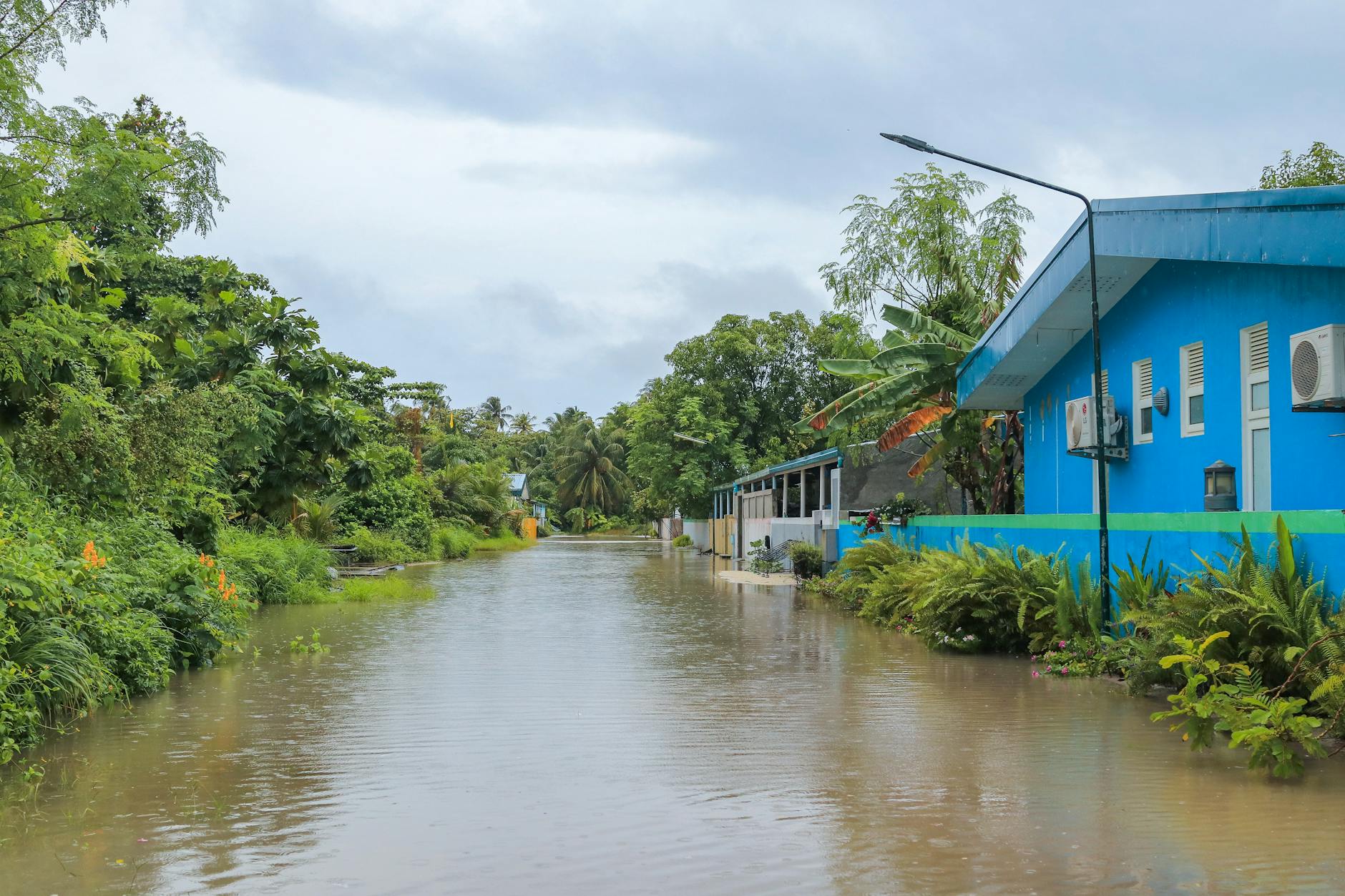
The Four Corners region, encompassing parts of Colorado, Arizona, Utah, and New Mexico, has been hit by "historic" and severe flooding, leading to mandatory evacuations, emergency declarations, and widespread rescues. Brown floodwaters have inundated homes and forced sewage into rivers, causing significant damage and prompting concerns about long-term impacts. This rare, heavy rainfall is linked to record-warm ocean waters, a strong El Niño event, and marine heat waves, with climate scientists highlighting human-caused climate change as a key factor in fueling such extreme weather events.
Communities across the Four Corners states are grappling with unprecedented flooding following days of rare, heavy rainfall. Residents in places like San Juan County, New Mexico, have been rescued from their roofs, with officials noting levels of flooding not seen in generations. The brown, rapidly rising waters have damaged over 100 homes and RVs in Hurricane, Utah, and forced emergency declarations in multiple counties across the affected states, including for the Navajo Nation and Hopi Tribe, who have had to rescue dozens from their homes.
While severe thunderstorms are typical for the region this time of year, meteorologists at the National Weather Service note that the amount of rainfall—up to six inches in higher elevations—sets new records. These storms were intensified by the remnants of Hurricane Trudy, forming a slow-moving system that drenched the Southwest. The danger isn't over, with more thunderstorms expected through the weekend.
Climate scientists explain that this severe weather is fueled by an unusually large amount of moisture in the air. This moisture originates from record-warm waters off the West Coast, driven by a strong El Niño event and a pre-existing marine heat wave. Daniel Swain, a climate scientist with the University of California, attributes much of this warmth to human-caused climate change. He notes that such extreme precipitation events were predicted if El Niño materialized as forecast, underscoring the urgency of understanding and addressing our changing climate. As communities face ongoing risks and long-term impacts, these events serve as a stark reminder of our planet's shifting weather patterns and the critical need for environmental action.