Home EV Charging Just Got Easier for Millions. Here's How.

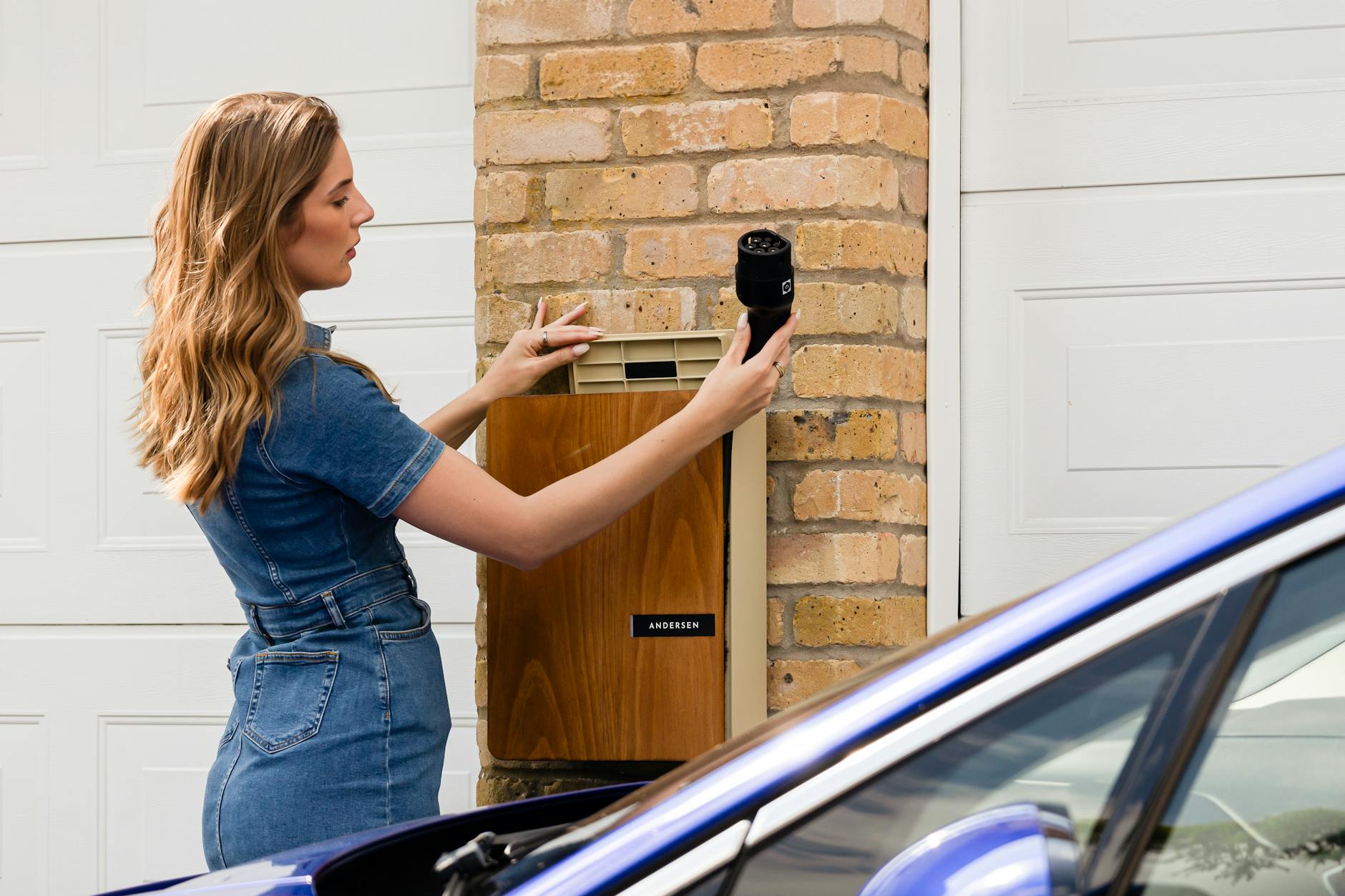
Tens of millions of Americans living in communities governed by homeowners associations (HOAs) or condo boards have often faced obstacles when trying to install electric vehicle (EV) chargers. These barriers can make switching to an EV seem daunting, slowing down the adoption of cleaner transportation. However, a growing number of states are tackling this issue with new 'right-to-charge' laws. These laws are designed to simplify EV ownership and fast-track the transition to electric vehicles, offering a smoother path towards a more sustainable future.
The push to make electric vehicles more accessible is gaining momentum across the United States. A significant hurdle for many potential EV owners has been the challenge of installing charging stations at home, especially for those living in condos, townhomes, or houses managed by homeowners associations.
To address this, Washington, D.C., and 15 states have now passed 'right-to-charge' laws. These important pieces of legislation prevent HOAs and condo boards from blocking residents who want to install an EV charger in their own designated parking space or on their property. This means individuals are no longer at the mercy of complex rules or outright bans, making the switch to an EV a much more practical decision.
According to Jess Senger of Plug-In America, a nonprofit dedicated to expanding EV access, some of these laws also extend protections to renters, ensuring they aren’t restricted from installing chargers in their dedicated parking spots. By eliminating these common barriers, 'right-to-charge' laws are not just about convenience; they are crucial for accelerating the adoption of electric vehicles.
Every EV on the road replaces a gasoline-powered car, leading to cleaner air and a significant reduction in harmful emissions that contribute to climate change. Enabling more people to charge at home is a powerful step towards a greener planet, underscoring the urgency of transitioning to sustainable solutions. If your state doesn't yet have such a law, contacting your local representative could help bring these benefits to your community and support our collective journey towards a cleaner energy future.
Plug-In America provides details on these policies and which states have adopted them.