Honda's Ohio Shift: What $3 Billion Means for Future Cars

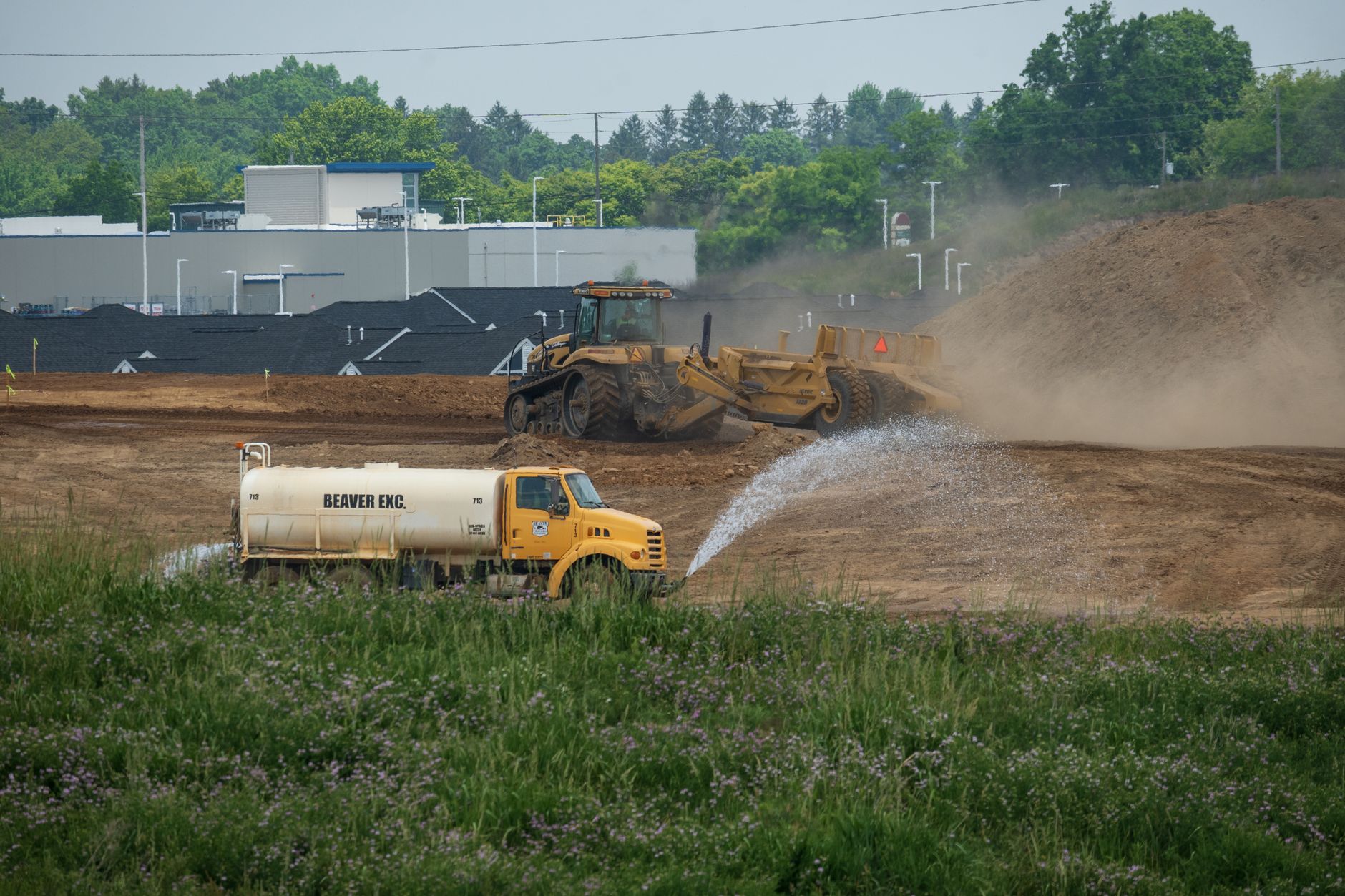
Honda is investing $3 billion in a new car factory in Ohio, set to create over 2,000 jobs and significantly boost hybrid vehicle production. This move signals a strategic shift after the company experienced considerable losses from an earlier electric vehicle initiative. The new facility, Honda's ninth U.S. production site, will produce gas and hybrid vehicles, with future flexibility for electric models. It underscores a growing industry trend towards more fuel-efficient options, offering a transitional path towards a cleaner transportation future while bringing economic benefits to the region.
Honda is making a significant $3 billion investment in a new car factory in Ohio, creating over 2,000 jobs. This facility, which will be Honda's fourth in Ohio and ninth in the U.S., is designed primarily to produce hybrid and traditional gas vehicles. It's a key part of the Japanese automaker's plan to launch 15 new hybrid models globally, many destined for the American market. The plant is expected to be operational by 2029, boosting Honda's U.S. production capacity to 1.3 million cars annually.
This strategic pivot comes after Honda experienced substantial financial setbacks from a previous electric vehicle (EV) push. An earlier plan to launch several new EV models, including the Acura RSX and Honda 0 Series, was scrapped, leading to a reported $9 billion loss for the company. After this challenge, Honda returned to focusing on ultra-efficient hybrids as its immediate next step for the U.S. market.
While full electric vehicles represent the ultimate goal for a zero-emission future, hybrids offer a vital step towards reducing our carbon footprint today. These vehicles combine gasoline engines with electric motors, significantly improving fuel efficiency and lowering emissions compared to traditional gas cars. Honda's new hybrid system is even designed to be 10% more efficient than its current models, providing a tangible benefit for both the environment and drivers' wallets. Crucially, the new Ohio plant is built with the flexibility to adapt to electric vehicle production later, ensuring it can support future shifts towards full electrification.
Beyond the new factory, Honda is also upgrading existing plants across Ohio, Alabama, and Georgia to support this hybrid expansion. This widespread commitment to advanced hybrid technology underscores the importance of adopting more sustainable transportation solutions. Each step we take towards more efficient vehicles, whether hybrid or fully electric, helps combat global warming and protects our planet for future generations.