How powerful can hurricanes get? The science is alarming.

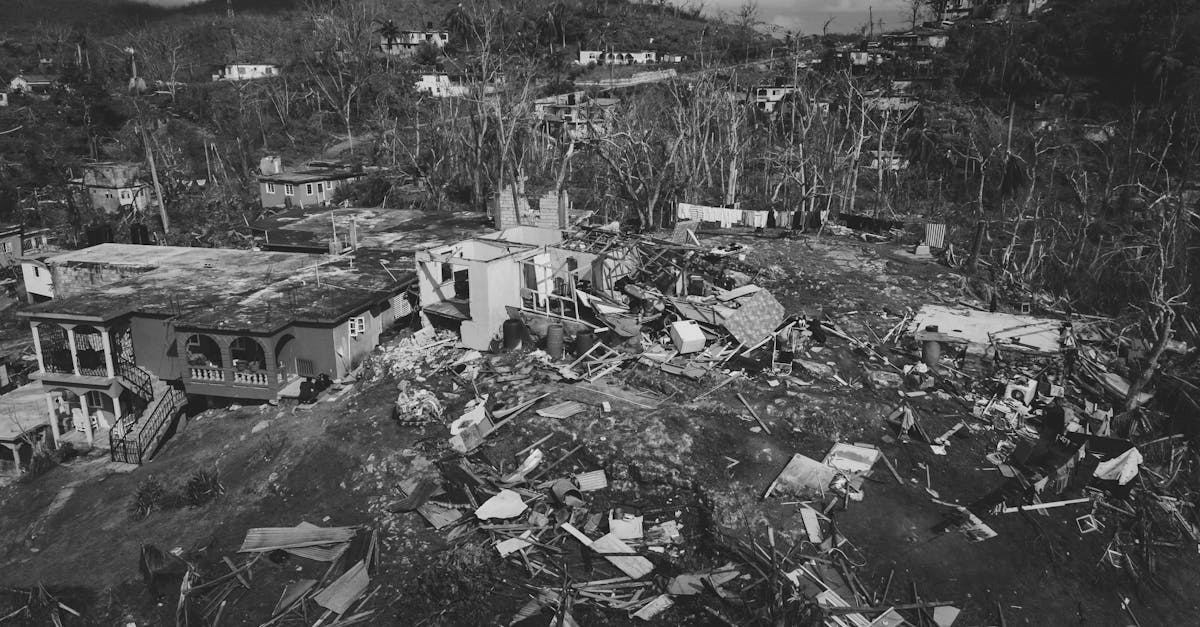
Hurricane Melissa struck Jamaica in October 2025 as a Category 5 storm, tying a record with 190 mph winds and causing catastrophic damage. This near-maximum intensity event offers a stark warning about our warming world. Scientists have long understood that tropical cyclones operate as heat engines, drawing energy from warm ocean waters. As global sea surface temperatures rise due to climate change, the ceiling for hurricane strength is also increasing, pushing us towards a future with more destructive storms and greater risk to coastal communities.
Hurricane Melissa struck Jamaica in October 2025 as a Category 5 storm, tying a record with 190 mph winds. This near-miss to its theoretical maximum potential intensity (MPI) offers a stark warning about our warming world. Pioneering research by MIT scientist Kerry Emanuel in 1987 established that hurricanes act like heat engines, converting ocean warmth into powerful winds. It makes sense, then, that as our oceans absorb more heat from global warming, the strongest storms can become even more intense.
Melissa's 190 mph winds were remarkably close to its calculated MPI of around 197-200 mph. Interestingly, if Melissa had formed earlier in the hurricane season when Caribbean waters were even warmer (around 88°F instead of 86°F), its MPI could have been 11-15 mph higher. This seemingly small difference is crucial, as a storm with 215 mph winds, like the record-setting Hurricane Patricia in 2015, could cause four times more damage than a 180 mph storm, according to NOAA. This shows how even small increases in potential strength translate to significantly greater threats.
Our planet's warming trends are already increasing the maximum potential intensity of hurricanes across the globe. Between 1982 and 2017, hurricane potential intensity in the Northern Hemisphere tropics increased by about 8.6 mph, largely due to rising sea surface temperatures, as reported in research from 2022. For many U.S. coastal cities, including Miami and New Orleans, adjusted climate models now suggest a top 10% maximum potential intensity exceeding 220 mph, easily putting them in the Category 5 range. Even cities further north like New York City could see Category 2 strength storms, reinforcing the need for communities everywhere to prepare for stronger winds and more severe impacts.
Perhaps the most alarming projections point to the Persian Gulf. Although rare for tropical cyclones due to unique local atmospheric conditions, modeling in a 2015 paper by Ning Lin and Kerry Emanuel showed that sustained 95°F ocean temperatures could theoretically generate hurricanes with winds up to 296 mph. Since then, Persian Gulf sea temperatures have already surpassed 99°F, meaning a truly unprecedented storm with winds over 300 mph is now a disturbing possibility. This highlights how rapidly human-caused global warming is escalating the threat, pushing the boundaries of what was once considered possible for natural disasters. Preparing for these extreme events and accelerating efforts toward sustainable solutions is more critical than ever to protect lives and infrastructure.