How to Make Solar Work - Coal Just Lost the Price War

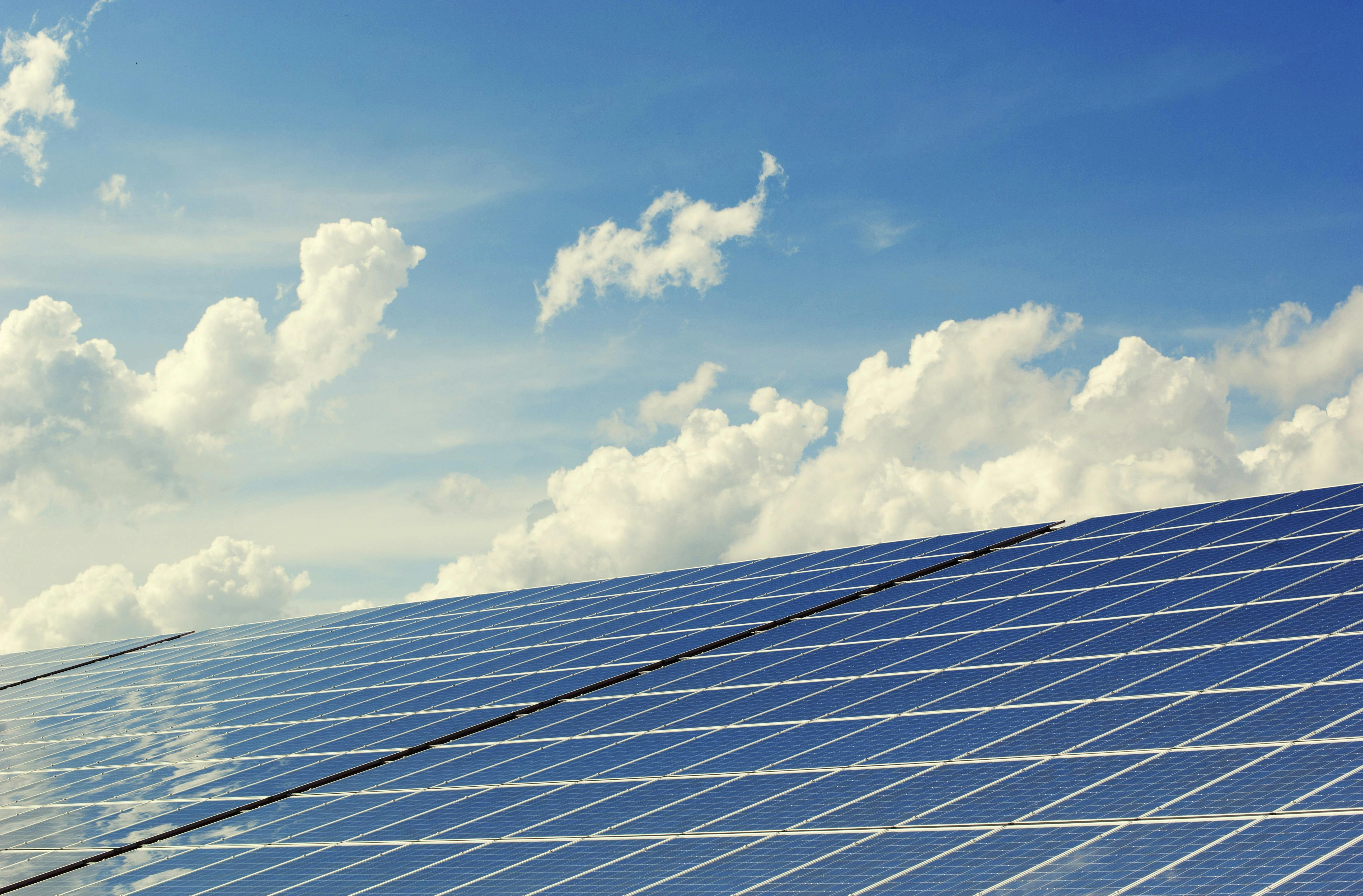
Solar power has crossed a psychological and economic line. A new analysis from the University of Surrey finds that, in the sunniest markets, utility-scale solar can deliver electricity for as little as £0.02 per unit—cheaper than coal, gas or even wind, thanks to decade-long cost declines and rapid scaling. The study also reports an 89% fall in lithium-ion battery prices since 2010, making solar-plus-storage competitive with gas plants and turning sunlight into a more reliable, dispatchable resource. The authors caution that grids in places like California and China already struggle with midday surpluses, so smarter networks, better forecasting and stronger regional links are essential. Read more via ScienceDaily, the University of Surrey and the open preprint on Authorea.
For years, solar advocates promised a future when panels would outprice fossil fuels. According to new work from the University of Surrey’s Advanced Technology Institute, that moment has arrived. In the brightest regions, utility-scale solar now produces electricity for roughly £0.02 per unit, undercutting coal, gas and even onshore wind. The finding reflects a long slide in hardware and installation costs as factories scaled up and efficiency improved.
What transformed economics into reliability was storage. The researchers estimate lithium-ion battery costs are down about 89% since 2010. Pairing large solar arrays with batteries has become standard in many markets, letting clean power shift from sunny hours to evening peaks. That turns variable generation into firm capacity that can compete with gas-fired plants on both price and performance.
The study also stresses that grids were built for yesterday’s power flows. Regions with high solar penetration, such as parts of California and China, already see congestion and curtailment when midday supply overwhelms demand. The authors argue that smarter grids, better forecasting with artificial intelligence, and stronger interconnections between regions will be critical to keep systems stable as solar expands.
Policy remains the quiet engine behind this shift. Long-term, consistent frameworks—such as the U.S. Inflation Reduction Act, the EU’s REPowerEU plan and India’s Production Linked Incentive scheme—help investors cut risk, scale factories and speed up projects. Meanwhile, advances in materials point to another step change: perovskite-based cells, including perovskite–silicon tandems, could lift energy output by up to 50% without using more land. Whether 2025 becomes known as the year sunshine truly beat coal will depend on whether countries match falling technology costs with grid upgrades and stable policy—so the cheapest power also becomes the easiest to use.