How Trump Crushed a Crucial Climate Lifeline

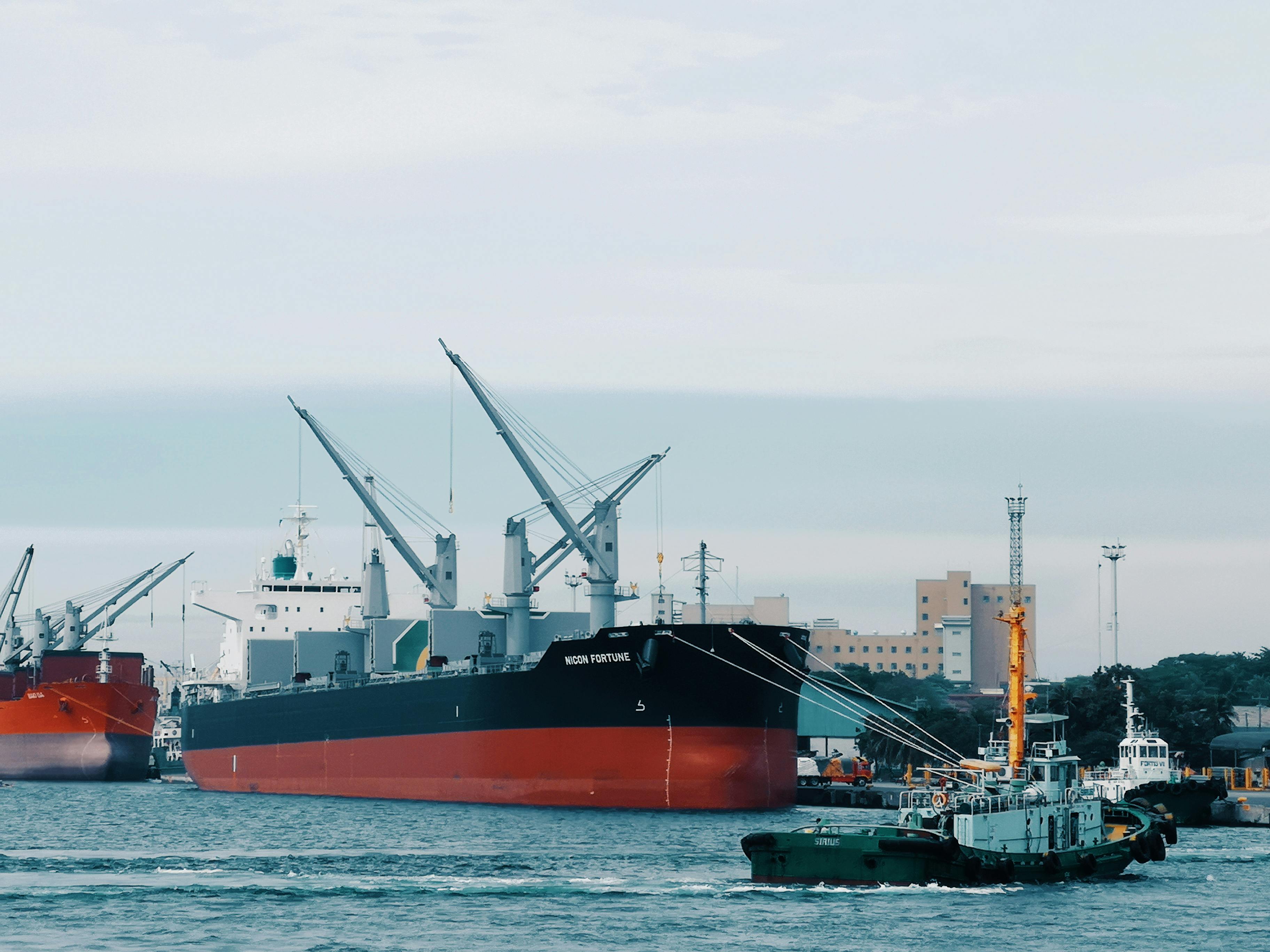
In October, more than 100 countries were on the verge of approving the first global fee on greenhouse gases from cargo ships, a move that could have pushed a heavily polluting industry toward cleaner fuels. Instead, U.S. officials under President Donald Trump mounted an unusually aggressive pressure campaign, warning vulnerable nations that supporting the measure could cost them visas, trade access and even the right for their sailors to set foot in American ports, according to diplomats who took part in the talks and later described the tactics as bullying. After weeks of threats, the International Maritime Organization, the U.N. shipping regulator, voted 57–49 to delay the decision for a year, effectively stalling the deal just months after governments had celebrated a fragile compromise on maritime carbon pricing. Shipping already produces roughly 3 percent of global greenhouse gas emissions and could account for far more by mid-century if left unchecked, making the collapse of this effort a serious blow to hopes of keeping global warming close to 1.5 degrees Celsius.
It was supposed to be a breakthrough. After years of arguments, more than 100 countries had lined up behind a plan to make the world’s biggest cargo ships pay when they pumped too much carbon dioxide into the atmosphere. The measure, hammered out at the International Maritime Organization (IMO), would have created the first global price on shipping emissions and nudged a notoriously hard-to-regulate sector onto a cleaner course. Then, in the final weeks before the vote, the United States stepped in.
According to nine diplomats directly involved in the negotiations, U.S. officials under President Donald Trump did not simply lobby against the plan on economic grounds. They say Washington unleashed a wave of personal threats aimed especially at small and poorer countries that depend on American markets. Ambassadors and negotiators were warned that their sailors could be barred from disembarking in U.S. ports, that they could be personally blacklisted from entering the United States, and that their governments risked sanctions or new tariffs if they backed the fee. Some delegations were summoned to the U.S. Embassy in London and confronted with what several diplomats later described as the most aggressive tactics they had seen in decades of climate diplomacy, a picture detailed in reporting by The New York Times based on interviews with those officials and other participants in the talks Trump Officials Accused of Bullying Tactics to Kill a Climate Measure.
The warnings became more explicit as the vote approached. A Reuters report confirmed that the United States openly threatened visa restrictions and sanctions against U.N. members that backed the IMO plan, in what critics called an attempt to weaponize U.S. migration and financial power against climate-vulnerable nations US threatens visa restrictions, sanctions against UN members that back IMO. The Guardian reported that the most intense pressure was directed at Caribbean and Pacific island states that had championed ambitious shipping cuts to protect their people from rising seas and stronger storms Trump threatens vulnerable countries before key shipping emissions vote. Diplomats from those regions left the London meetings “shaken,” one European negotiator later recounted.
Senior members of the Trump administration have not denied working aggressively to derail the deal. They argue they were defending U.S. consumers from what they describe as a backdoor “global carbon tax” that would raise the cost of imported goods. In a Wall Street Journal opinion piece, Secretary of State Marco Rubio praised what he called “coalition-building efforts” that rallied countries to block “a U.N. shipping tax” and promised that the same alliance would be ready to crush similar initiatives in the future Marco Rubio: How We Thwarted the U.N.'s Tax. Other officials framed the measure as a “green energy scam” promoted by Europe and climate activists, language echoed in partisan media and in a statement by White House aides.
But the effect of those threats was unmistakable inside the IMO’s London headquarters. Several countries that had previously backed the fee suddenly softened their positions or shifted to favor delay. On October 17, member states voted 57–49 to postpone a decision for one year, a move that many negotiators see as effectively killing the measure for the foreseeable future because political attention and momentum will drift elsewhere. Reports from outlets including Le Monde and Al Jazeera describe the vote as a victory for Washington’s hard-line campaign and a sharp setback for vulnerable states that had fought for stronger action on shipping pollution US threat of sanctions postpones international deal on decarbonizing ships Trump torpedoes international deal to reduce shipping emissions. One European shipowners’ group warned that the delay leaves the industry “adrift” and undermines investment in cleaner vessels Trump’s ‘green scam’ attack sinks global shipping carbon price.
The collapse of the fee comes at a critical moment for both climate policy and the shipping industry. International shipping is the backbone of the global economy, moving close to 90 percent of world trade by volume, from food and fuel to phones and clothes. But that economic lifeline comes with a heavy climate cost. The European Commission estimates that global shipping emitted around 1,076 million tonnes of CO2 in 2018, about 2.9 percent of global emissions caused by human activity Reducing emissions from the shipping sector. Other analyses put the sector’s contribution to total greenhouse gases at roughly 3 percent, roughly on par with aviation, and warn that its share could climb to between 5 and 8 percent by 2050 if nothing changes Climate impact of shipping Shipping industry still at sea as it tries to navigate to net zero.
For years, shipping escaped serious climate scrutiny because most emissions happen in international waters, beyond any single government’s reach. That is why the IMO’s 2023 greenhouse gas strategy was seen as a turning point: the revised plan set a collective goal of net-zero emissions from international shipping “by or around 2050,” with milestones for 2030 and 2040 and an expectation that zero- or near-zero-emission fuels would supply at least 5 to 10 percent of the sector’s energy by 2030 IMO's work to cut GHG emissions from ships Why 2025 is such an important year for shipping decarbonisation. A global pricing system for CO2 was meant to be one of the main levers to make that strategy real, by steering investment into cleaner engines and alternative fuels such as green ammonia, e-methanol and battery-hybrid systems.
The measure at stake this autumn was the next step in that process. In April 2025, IMO countries agreed in principle on a fee-and-standards package that would charge ships up to $380 per ton of CO2 above certain limits while rewarding low-emission vessels and funding climate projects in developing nations, according to reporting by Reuters and other outlets UN shipping agency strikes deal on fuel emissions, CO2 fees Major nations agree on first-ever global fee on greenhouse gases with plan that targets shipping. Environmental groups and many governments criticized the price level as too weak but still hailed the system as a long-overdue step toward a global carbon price for shipping. Small island states in the Pacific had pushed for a more ambitious, flat carbon levy that would raise even more revenue both to drive decarbonization and to fund adaptation in countries already being battered by stronger storms and rising seas.
It is precisely those countries, diplomats say, that were hardest hit by the U.S. campaign this fall. Several negotiators reported that officials from small Caribbean and Pacific nations left meetings in London describing U.S. demands as “nasty” and “very personal,” echoing accounts that first surfaced in the Financial Times and were later fleshed out in the New York Times investigation Trump Officials Accused of Bullying Tactics to Kill a Climate Measure. In one case, a negotiator from the Philippines was told the country’s sailors could be denied permission to disembark in American ports if Manila supported the fee. A Jamaican official was reportedly warned he would never be allowed to visit the United States again. Those accounts, if accurate, go far beyond the tough arm-twisting that is common in international negotiations and appear to test the limits of diplomatic norms that usually protect foreign envoys from such personal retaliation.
The administration rejects the charge of intimidation, insisting that it simply laid out economic consequences of a policy it views as harmful. Trump officials argue that higher shipping costs would be passed on to households as more expensive imports and could hurt developing economies that rely on cheap freight. Editorials in outlets such as The Wall Street Journal have echoed these concerns, warning that a new levy could increase shipping costs by up to 10 percent and labeling the plan “taxation without representation” for American consumers The United Nations Is About to Tax You Wall Street Journal Editorial Board Condemns IMO Carbon Tax as ‘Taxation Without Representation’. Supporters of the fee counter that the costs would be modest compared with the price of unchecked climate change and that revenues would help poorer countries invest in clean ports and resilient infrastructure.
Behind the technical arguments over carbon prices lies a much larger struggle over who gets to set the rules of the global economy in a heating world. The shipping fight unfolded just as world leaders arrived in Belém, Brazil, for this year’s U.N. climate summit, where scientists are warning that global emissions must fall nearly in half by 2030 to keep the 1.5-degree target within reach. UN bodies estimate that shipping alone emits more than a billion tonnes of greenhouse gases each year, roughly as much as the aviation sector, and that without rapid action those emissions will keep climbing All At Sea Greenhouse gas emissions and air pollution from global shipping, 2016-2023. Every year of delay locks in more high-carbon ships that will sail for decades, making it harder to bring the entire global fleet into line with the Paris Agreement.
That is why climate advocates say the bullying allegations surrounding the IMO vote are so alarming. It is not just that one policy was delayed. It is that a major power appears willing to use its market size and visa system as weapons against some of the countries most vulnerable to climate damage, precisely at the moment when international cooperation is most urgently needed. For small island states counting the years until their coastlines are swallowed by the sea, and for communities whose food and jobs depend on stable oceans, the message is chilling: even modest steps to make polluters pay can be crushed if they collide with powerful fossil-fuel interests.
The deal is now officially postponed for a year. On paper, that leaves space for governments to revisit the idea, perhaps with a different design or political coalition. In practice, many negotiators doubt that the same level of ambition will reappear soon, especially if nations fear retaliation. Without a robust global price signal, shipping companies will continue to face weak incentives to move away from oil-based bunker fuel, even as climate-friendly technologies inch forward. Researchers warn that this is exactly how the world slides past its temperature goals: not through a single dramatic decision, but through repeated delays and quiet surrender to short-term economic pressures.
As talks in Belém continue, the episode at the IMO is likely to hang over every discussion about trust, fairness and the credibility of climate commitments. It has exposed how easily climate diplomacy can be derailed when threats replace cooperation, and how quickly the interests of powerful countries can overshadow the survival concerns of smaller ones. With the 2020s now recognized as a make-or-break decade for climate action, the choice facing governments could not be starker: either protect vulnerable nations and future generations by standing up to this kind of “gangster diplomacy,” or accept that the narrow window to keep warming to safer levels will slam shut while the world’s cargo ships continue to burn through the remaining carbon budget at full speed.