How Unique Homes Shield Vulnerable From Extreme Weather

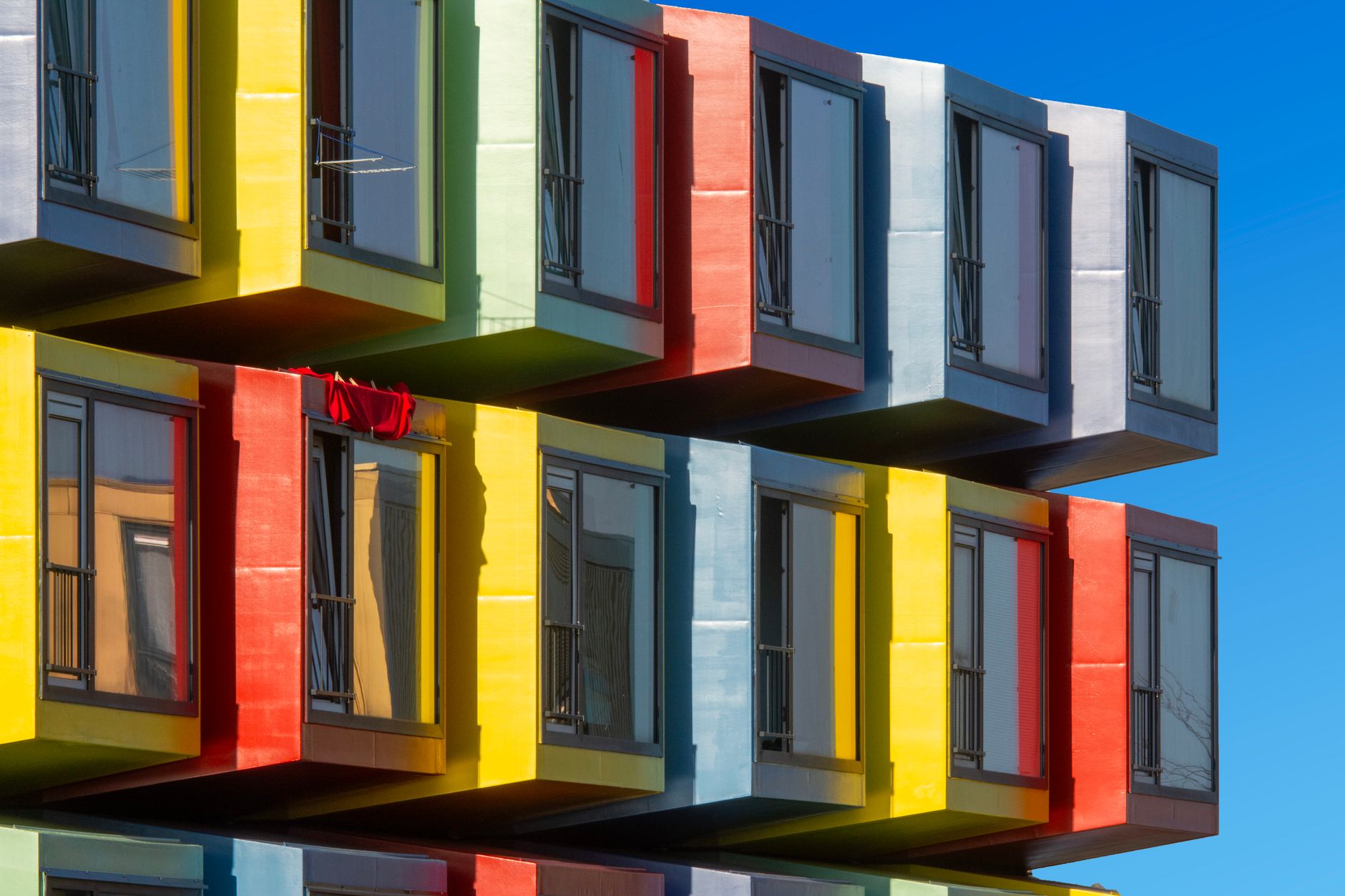
In Watsonville, California, a groundbreaking initiative known as Hope Village is providing vital transitional housing for over two dozen people experiencing homelessness. Utilizing a modular building system called LifeArk, these new homes are specifically designed to withstand intensifying extreme weather events and natural disasters like earthquakes, a growing concern as our climate changes. This project offers not just shelter, but a climate-resilient sanctuary for some of the community's most vulnerable residents.
The innovative LifeArk system, conceptualized by founder Charles Wee, uses durable plastic panels that are strong against seismic activity, resistant to fire, and offer exceptional insulation. These units are built in a factory, then quickly assembled on-site “just like you would put together a Lego,” as Wee describes. This rapid construction method ensures communities can quickly adapt to housing needs.
The design cleverly addresses energy efficiency and comfort; the highly insulated units stay cool during hot summers, lessening the need for air conditioning, and remain warm in winter, much like a high-performance cooler. This passive design significantly reduces energy consumption, a crucial step towards more sustainable living. Furthermore, because Hope Village is located near the Pajaro River, the living spaces are elevated three feet above ground, a simple yet effective measure to protect residents from potential floodwaters.
In a world facing increasing climate challenges, projects like Hope Village demonstrate the critical importance of integrating environmental resilience into housing solutions. Providing safe, durable, and climate-adaptive homes to those most at risk is a powerful example of how sustainable building practices can protect communities and foster a more secure future for everyone.