Hurricane Helene Exposed a Critical Gap in Storm Readiness

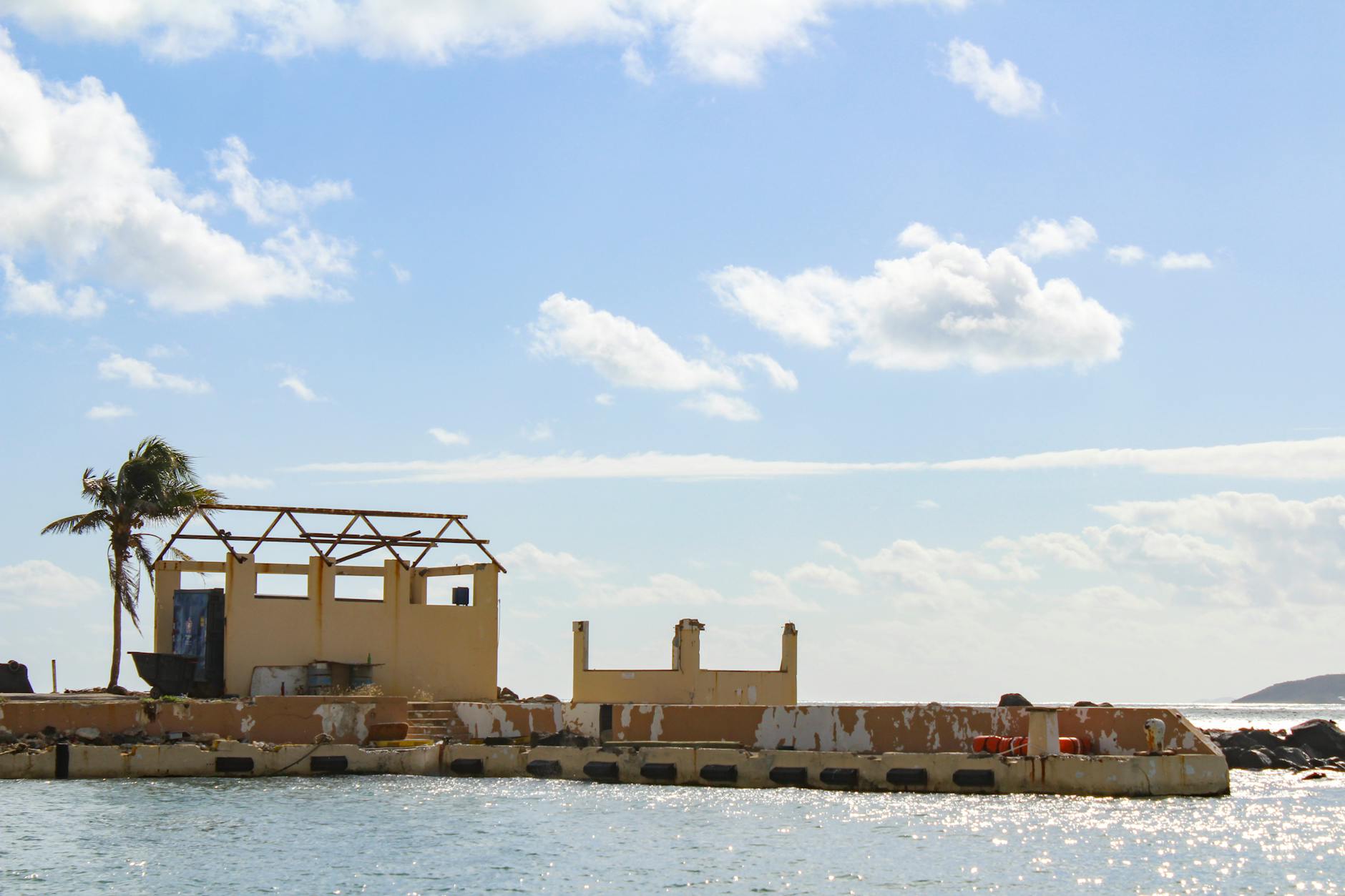
Carla Ramsdell of North Carolina believed she was ready for a major storm, but Hurricane Helene showed her a different reality. The devastating aftermath, with blocked roads and widespread power outages, left many without basic necessities like food and water. This experience sparked a deep concern for community resilience and the realization that traditional preparedness wasn't enough for increasingly severe weather events driven by climate change. Now, Ramsdell shares practical survival skills through her "The Resilient Kitchen" series, emphasizing proactive steps for future disasters.
Carla Ramsdell faced Hurricane Helene, expecting to weather it like previous storms. However, the ferocity of Helene and its lasting impact caught her and many others off guard. Roads became impassable, electricity vanished, and widespread structural damage made accessing food and clean water nearly impossible for countless residents in North Carolina. Ramsdell herself felt a "genuine fear" as she realized her own preparations were insufficient for such a prolonged and intense emergency.
This profound experience led Ramsdell to dedicate herself to helping others build stronger resilience. She created "The Resilient Kitchen," a YouTube series designed to equip people with crucial skills before the next disaster strikes. Her videos cover essential topics such as stocking up on non-perishable food items, safely cooking meals using a camp stove without power, and vital techniques for filtering water in an emergency situation.
As our planet faces more frequent and powerful storms due to a changing climate, proactive preparedness is no longer just a good idea—it's essential. Ramsdell’s goal is to empower individuals to take concrete steps today, providing them with peace of mind and the necessary knowledge to navigate the challenges that increasingly severe weather events present. Learning these skills in advance can make a critical difference, ensuring families can sustain themselves when infrastructure fails and help is delayed.