Iceland Rejects EU Membership: The Surprising Reason Why

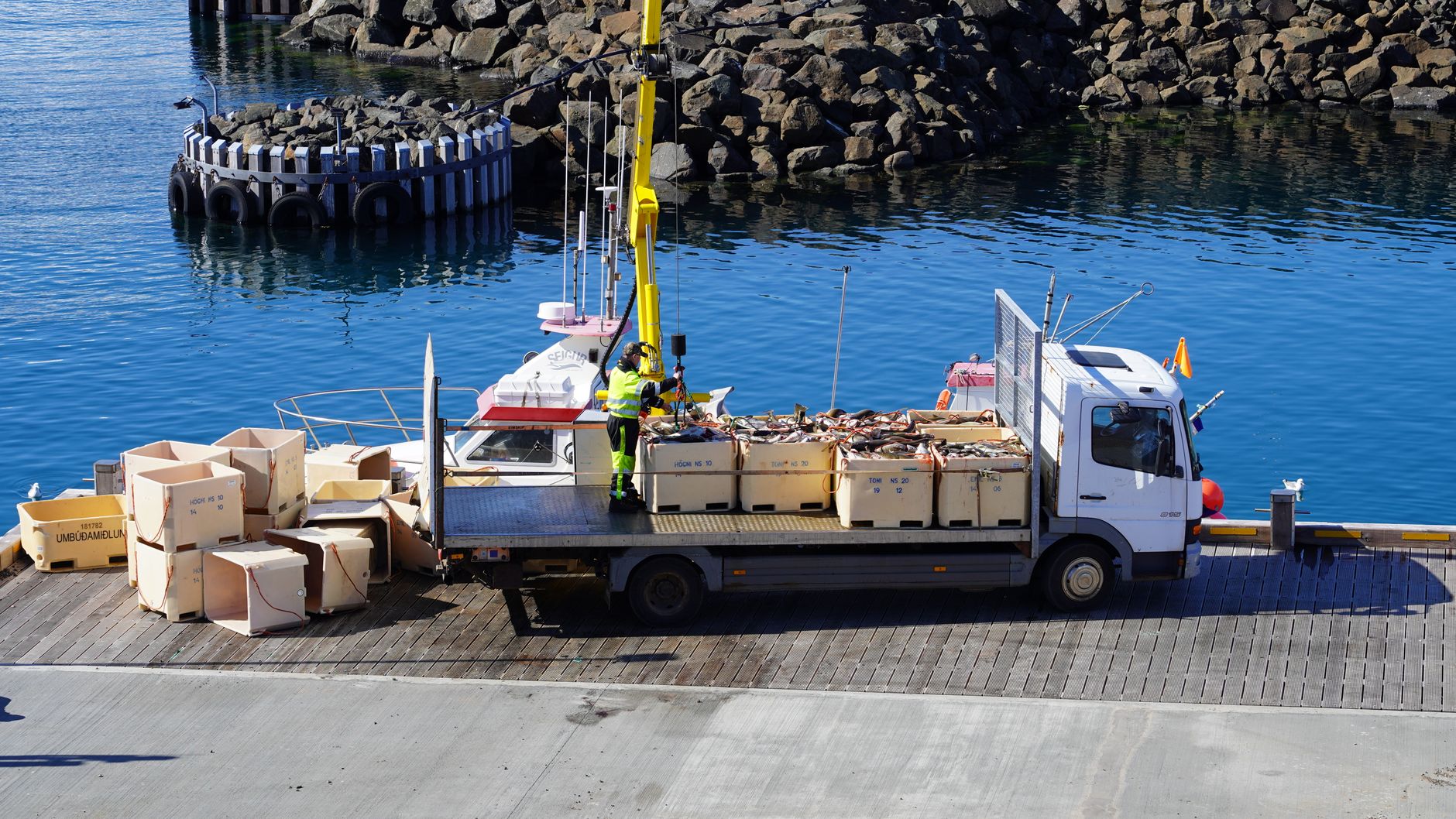
Iceland recently voted against rejoining talks to enter the European Union, with fishing rights emerging as the core issue. More than half of voters chose to maintain Iceland's independent control over its vital marine resources. This decision underscores global tensions over dwindling fish stocks, intensifying due to warming waters and a stark contrast in sustainable management practices between Iceland and its European neighbors. The vote highlights how climate change is reshaping geopolitical decisions and resource allocation.
Over the weekend, Iceland made a decisive choice, rejecting a resumption of talks to join the European Union. At the heart of this referendum was the critical question of who controls Iceland's rich fishing grounds, a concern deeply rooted in the nation's history and economy.
Fishing is not just an industry but a cornerstone of Icelandic identity, providing nearly 40 percent of all exports and employing a significant portion of its workforce. Memories of the 1970s Cod Wars, where Iceland defended its 200-mile exclusive fishing zone, still resonate, fueling fears that EU membership could mean relinquishing hard-won sovereignty over these precious waters.
Today, Iceland boasts remarkably healthy fish stocks for species like cod and haddock, thanks to robust management. This stands in stark contrast to the EU, where many equivalent stocks face regional collapse due to chronic overfishing. Warming ocean temperatures, which have led species like mackerel to migrate further north into Icelandic territory, further complicate these dynamics, adding urgency to effective management.
Critics, including ocean conservation experts, highlight the EU's problematic approach, noting that nearly half of its fishing quotas in 2020 were set above scientific advice, despite pledges to end overfishing. This consistent disregard for scientific recommendations and the impacts of climate change has led to years of overfishing within EU waters, making Iceland's well-managed resources look like an "absolute pot of gold" to some.
This referendum underscores how politicized marine resources have become in the North Atlantic. As our oceans continue to warm and fish populations shift, the need for international cooperation based on ecosystem-wide, climate-informed approaches is more critical than ever. Managing individual species in isolation is no longer enough; a holistic strategy is essential to protect these vital resources for future generations and ensure stability in a changing world.