Iconic Coastal Train Line Faces Uncertain Future in California

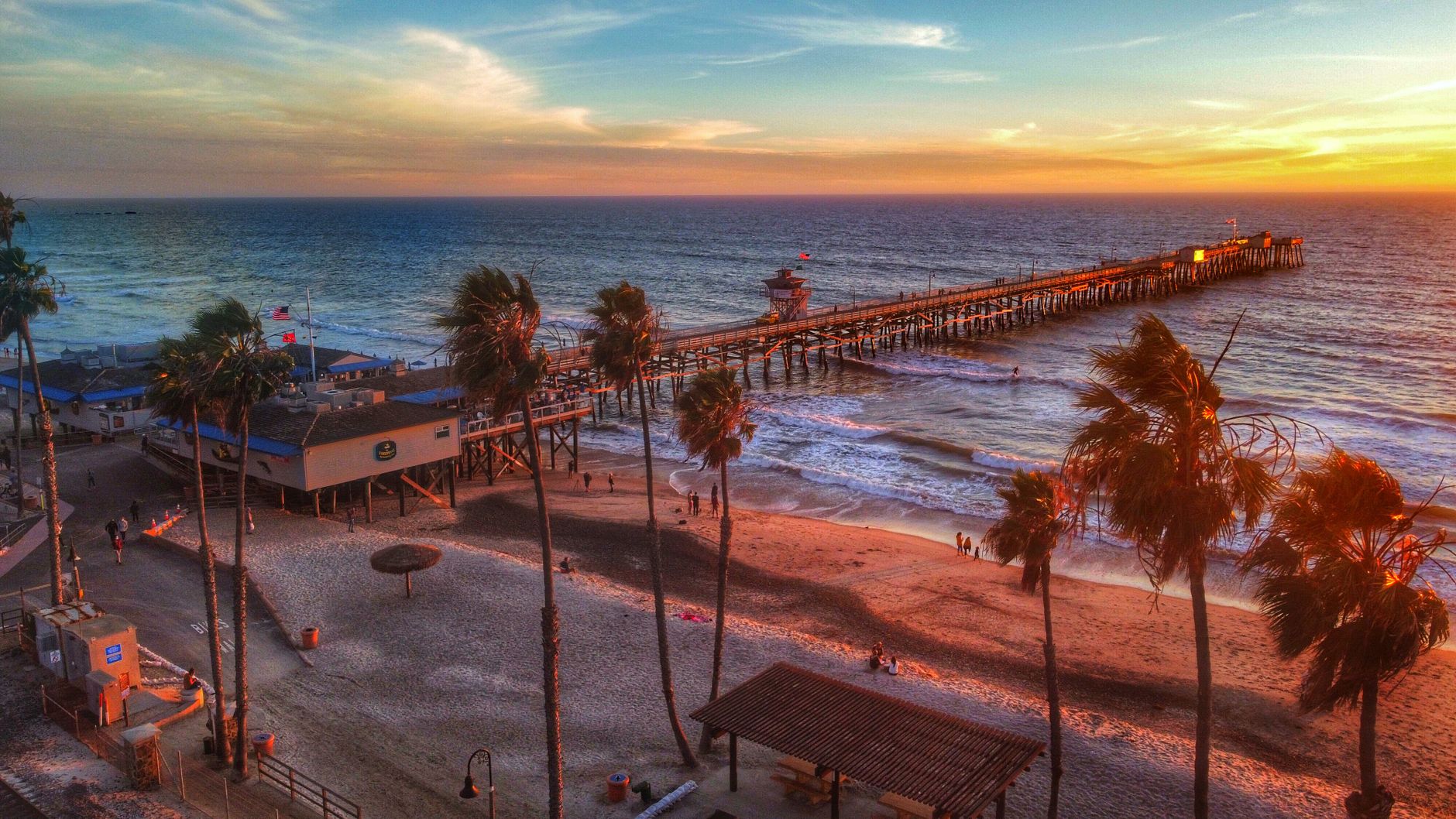
California's picturesque coastal railroad in San Clemente is under severe threat from rising sea levels and intense erosion. Decades of beautiful views for passengers now come with significant risks, as landslides and powerful waves increasingly disrupt service. State officials are launching a crucial study to explore the possibility of moving the tracks inland, a complex and costly endeavor estimated to exceed $5 billion. This urgent situation highlights the escalating impact of climate change on critical infrastructure along our delicate coastlines.
The beloved train line along the San Clemente coast, known for its stunning ocean views, is battling a relentless assault from nature. Rising seas, powerful surf, and landslides are making the tracks unstable, forcing service disruptions for both the Pacific Surfliner and Metrolink.
Over the past five years, these environmental challenges have significantly impacted rail operations. Despite more than $300 million already invested in protection measures like sand placement, the issues persist, pointing to the need for a more permanent solution.
The California State Transportation Agency is stepping in, planning to launch a major study before the year's end. This detailed examination will look into the feasibility and logistics of potentially relocating the entire rail line inland. Officials describe it as a complex, expensive, and long-term undertaking, with initial estimates suggesting a cost of over $5 billion.
This urgency is directly tied to a changing climate. Experts note that urban development has altered natural sediment flows, and sea-level temperatures are rising, leading to an expanded volume of water. These factors exacerbate coastal erosion and put pressure on infrastructure designed for different conditions.
The California Coastal Commission is actively involved, requiring such relocation studies to protect the state's precious coastline. Moving a rail line that serves passengers, freight, and military traffic is a monumental task, requiring careful analysis of engineering, environmental effects, community impact, and extensive coordination among many agencies. Protecting this vital corridor for current and future generations means facing the realities of a changing environment head-on and investing in sustainable, long-term solutions.