Illinois's Grid Revolution: What's Storing Up for Your Energy Future?

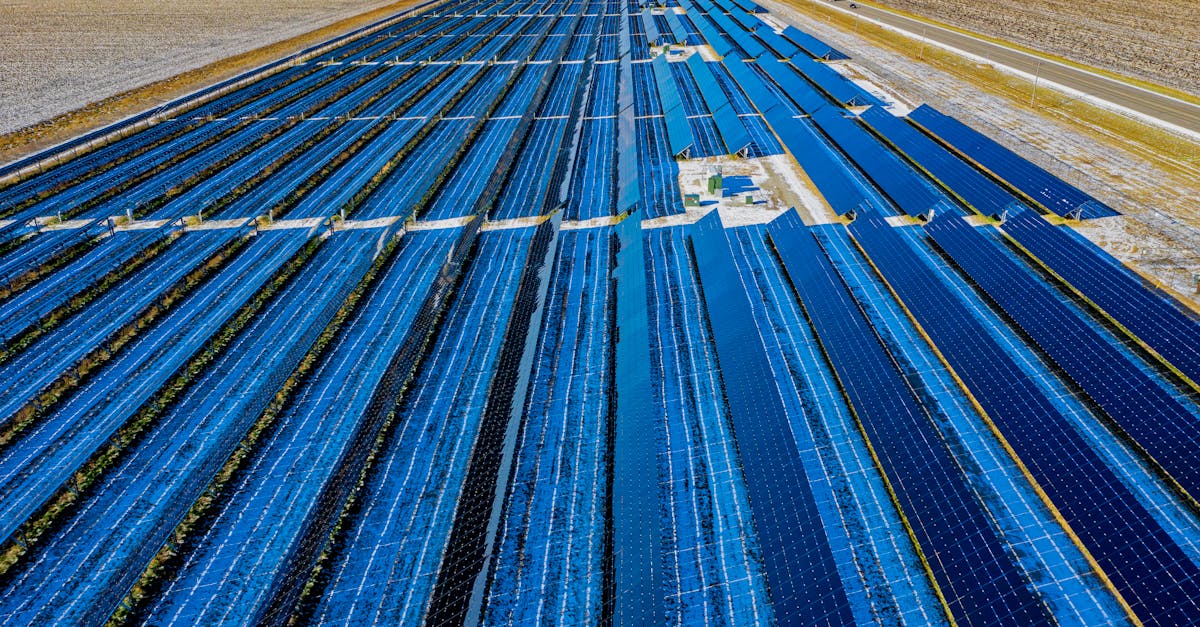
Illinois is set to transform its energy landscape with new legislation aimed at dramatically boosting battery storage capacity. This bold move seeks to integrate renewable energy more effectively, providing a reliable and affordable power supply. The state plans to add 3 gigawatts of battery storage by 2030, a substantial increase designed to make the grid more resilient against high demand and support a cleaner energy future. This proactive approach underscores Illinois's commitment to sustainability and climate action amidst growing energy challenges.
Illinois is making a significant leap forward in its energy strategy, moving from lagging in battery storage to becoming a national leader. New energy legislation, the Clean and Reliable Grid Affordability (CRGA) Act, introduces strong incentives to develop much more of this crucial technology.
Battery storage acts like the grid’s savings account. It collects excess power from sources like solar and wind when energy is cheap or abundant, then releases it when the grid is under stress, such as during peak demand or extreme weather. This makes renewable energy dependable around the clock, helping prevent blackouts and stabilizing prices.
Under the new act, Illinois aims to deploy 3 gigawatts of battery energy storage systems by 2030, a more than 37-fold increase from its current capacity. This ambitious goal places Illinois among the top states for battery storage and will help the state meet its clean energy targets set by previous legislation like CEJA CEJA.
Beyond large-scale projects, the act includes a "Storage for All" program, offering incentives for residential and nonprofit battery installations. This means individuals could have smaller battery systems in their homes, storing solar power for personal use or contributing to a "virtual power plant" by sending energy back to the grid during high demand. These distributed energy solutions are greener, more flexible, and don't require large, centralized polluting facilities like traditional power plants.
This shift is particularly important as power-hungry data centers increase energy demand, potentially raising costs for everyday customers. Battery storage adds capacity to the grid, helping to offset this demand and keep energy costs down. The Illinois Power Agency predicts significant savings for residents, with some potentially saving over $240 a year on their electricity bills help reduce.
While some concerns about initial costs have been raised, experts emphasize that ratepayers will pay for storage as it comes online, which means lower costs when energy prices are high. Ultimately, battery storage is seen as essential for a reliable, affordable, and clean grid, helping to replace expensive, high-polluting peaker plants peaker plants and ensuring a resilient energy future as the state moves further away from fossil fuels.