Illinois' Wild Spaces Poised for Crucial New Protections

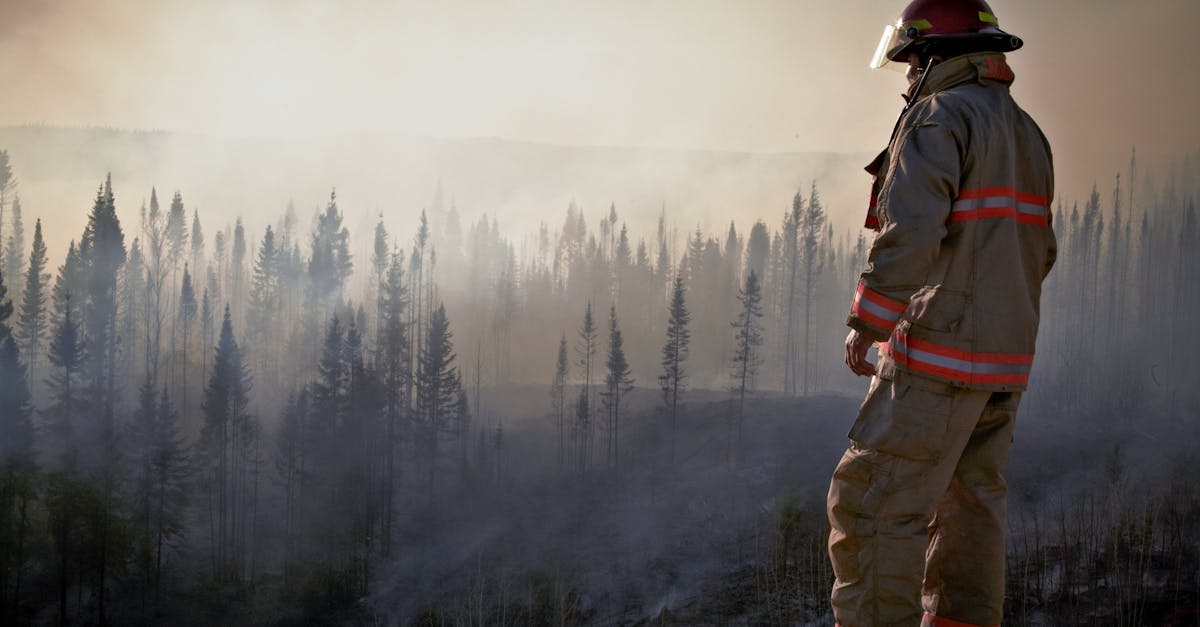
A significant new bill aimed at protecting the Shawnee National Forest in southern Illinois has successfully passed a key Senate committee with strong bipartisan support. The 'Shawnee National Forest Conservation Act of 2025' seeks to safeguard over 12,700 acres by designating them as special management areas. This move promises improved biodiversity and habitats while preserving these vital natural spaces from industrial exploitation, marking a crucial step for environmental protection in the region.
The Shawnee National Forest Conservation Act, introduced by Senators Dick Durbin and Tammy Duckworth, focuses on three large, uninterrupted areas: Ripple Hollow, Burke Branch, and Camp Hutchins. These designations will allow the U.S. Forest Service to actively manage the land, using methods like clearing invasive species with specialized equipment or implementing fire management protocols. Such actions are crucial because years of fire suppression and the spread of invasive plants have altered the forest's natural balance, requiring hands-on restoration efforts to thrive.
Conservation groups in Illinois, including the Environmental Law and Policy Center and the Sierra Club, have strongly advocated for this bill. They highlight the importance of protecting these areas from threats like logging and mining, especially at a time when other public lands nationwide face potential reduced protections. The act is seen as a way to ensure these special parts of Illinois’ only national forest are shielded from exploitation while allowing necessary habitat restoration to enhance their ecological quality.
Ultimately, the goal is for these special management areas to meet the high standards of official wilderness areas, which offer the strongest federal protections. While one area, Camp Hutchins, already qualifies, the others need active management first. This bill is a vital step toward securing the long-term health and integrity of the Shawnee National Forest, ensuring its biodiversity, recreational opportunities, and natural beauty are preserved for future generations, demonstrating the ongoing importance of collective action for our planet.