India's Energy Future: Big Partnerships Spark Nuclear Revolution

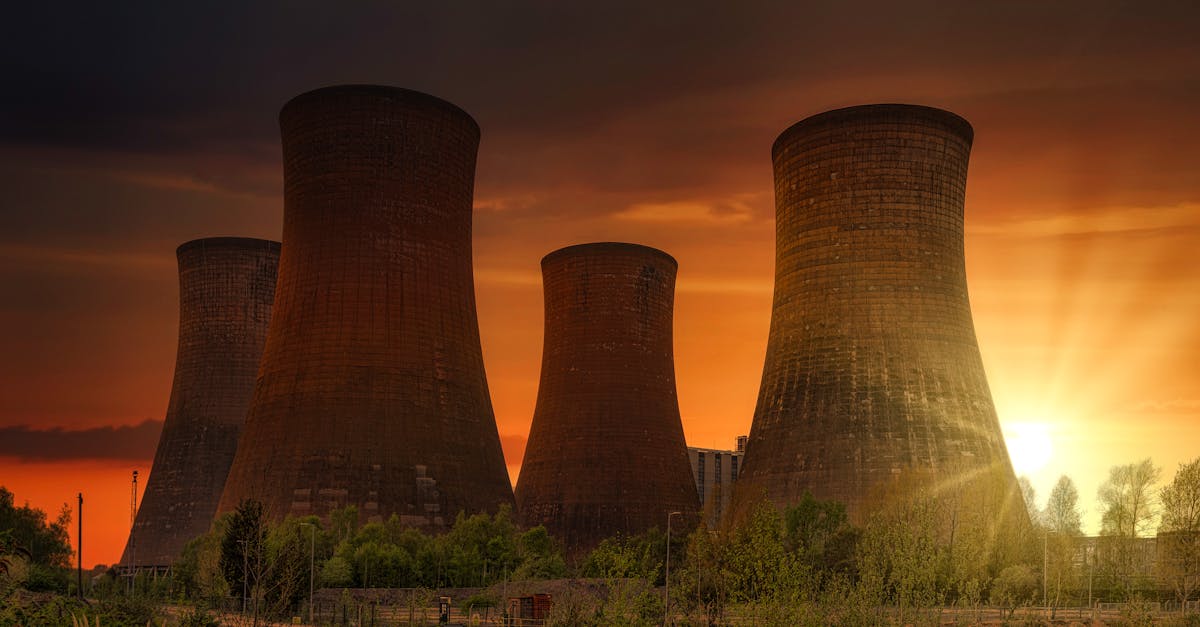
India is making significant strides in expanding its nuclear energy capacity, aiming for a stable, low-carbon power supply. India's largest power producer, NTPC, recently signed agreements with Russia's Rosatom and France's EDF to explore collaborations on large-scale nuclear projects. This move is critical for meeting the nation's growing electricity needs and its ambitious climate goals. Nuclear power offers a reliable, always-on energy source that complements intermittent renewables, driving India closer to a cleaner, more sustainable energy future.
India is taking bold steps to secure its energy future, focusing on a major boost in nuclear power. NTPC, a leading power producer, has joined forces with global nuclear giants Rosatom and EDF. These partnerships aim to develop large-scale nuclear reactors, covering everything from design to operation, while also prioritizing India's own technological growth.
This push for nuclear energy is a vital part of India's commitment to fighting climate change. As the country's electricity demands rise, nuclear power provides a steady, clean energy source that doesn't rely on fossil fuels. It works hand-in-hand with solar and wind power, ensuring a consistent energy supply around the clock. By accelerating nuclear growth through these international collaborations, India is clearly signaling its intent to achieve significant decarbonization.
Recent government reforms, like the SHANTI Bill, have made nuclear energy more accessible for private and international investors. The Union Budget 2025-26 further cemented nuclear power's role, outlining an ambitious goal of 100 GW by 2047. This vision is central to India's "Viksit Bharat" initiative, which targets energy security, less reliance on fossil fuels, and a healthier environment. The new Nuclear Energy Mission for Viksit Bharat focuses on advanced technologies, including Small Modular Reactors (SMRs).
SMRs and Bharat Small Reactors (BSRs) are game-changers. SMRs are smaller, quicker to build, and more flexible, making them ideal for both grid-connected areas and remote locations, or even for replacing retiring coal plants with clean energy. BSRs, designed for industrial hubs, blend private investment with public oversight to speed up deployment and reduce emissions. These innovations are crucial for India to meet its pledge of generating 500 GW from non-fossil fuel sources and meeting 50% of its energy needs from renewables by 2030.
India's nuclear capacity is set to grow dramatically, with plans to add many new reactors across the country by 2031-32. Key milestones, such as the Rajasthan Atomic Power Project's Unit-7 reaching criticality, showcase India's increasing ability to build and operate its own advanced reactors. Safety remains paramount, with strict protocols ensuring operations are well within international standards. The discovery of new uranium deposits and the exploration of thorium-based reactors further solidify India's long-term, sustainable energy strategy. By combining global expertise with domestic innovation, India is not just securing its own energy future but also setting a powerful example for global climate action and sustainable development.