Indian Point's Unsettled Fate: What Awaits the Hudson Valley?

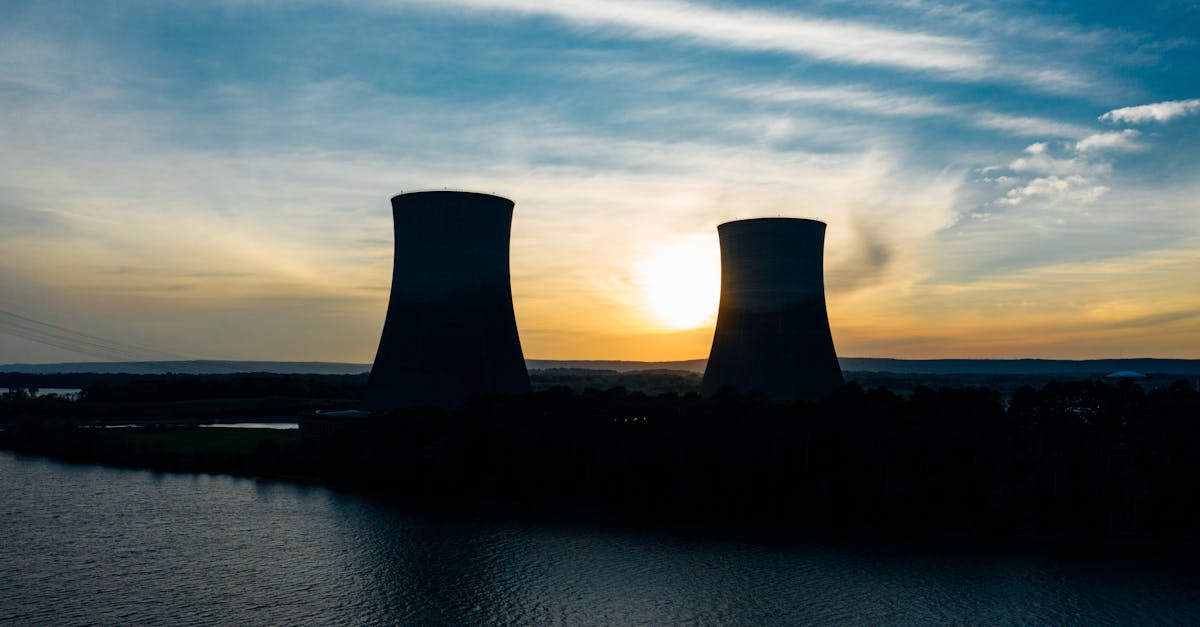
The former Indian Point nuclear power plant, just north of New York City, is at the heart of a significant political and environmental dispute. While currently undergoing decommissioning, there's a strong push to reopen it, raising serious concerns among residents and activists about public health and ecological risks. This debate is unfolding in a crucial congressional race, where candidates are split on whether nuclear power offers a clean energy solution or poses a potential hazard. The plant's history of environmental incidents and rising energy emissions since its closure highlight the complex challenges of moving towards a truly sustainable, carbon-free future.
The former Indian Point Energy Center, once a powerful nuclear plant just north of New York City, is now at the heart of a significant dispute with deep environmental implications. While the facility is being decommissioned, a process to safely retire it, there’s a strong push from some, including incumbent Republican Congressman Mike Lawler, to revive it. This creates a clear divide, especially in a tight congressional race, where environmental attorney Susan Shapiro calls Indian Point "the elephant in the room."
For residents like Nancy Vann, whose home is near the plant, the site's history raises serious alarms. The plant, located in a densely populated area and near a seismic fault, has a troubled past. Over the years, it leaked radioactive waste into groundwater, vented an estimated 600,000 gallons of radioactive steam into the atmosphere, and spilled thousands of gallons of fluid and oil into the Hudson River, sometimes raising water temperatures and killing fish. These incidents contributed to its closure in 2021 and underscore the critical need for vigilant environmental protection, especially concerning our vital waterways. A recent Harvard study even linked proximity to nuclear plants with increased cancer mortality, adding to the public health worries.
Congressman Lawler argues for reopening Indian Point as a source of "reliable, affordable, carbon-free energy while reducing our reliance on fossil fuels and lowering emissions," as he wrote in a recent post. He also notes that New York’s electricity emissions rose after its closure due to increased reliance on gas, as detailed in a report from the New York Public Service Commission. His Democratic challenger, Cait Conley, while not anti-nuclear, points to the site's "broken and decrepit" state. This debate highlights a national trend where the Trump administration is pushing to expand nuclear energy through measures like an executive order to expedite the review and construction of advanced reactors and new standards that reduce requirements. Critics, including former regulators, worry this compromises safety, especially given a Government Accountability Office report recommending the Nuclear Regulatory Commission address climate change risks more comprehensively.
The decommissioning of Indian Point is overseen by Holtec International, a company specializing in spent-fuel storage. However, concerns about transparency and accountability plague the process. Critics, including New York State Senator Peter Harckham, question how a $2.3 billion trust fund, financed by utility customers, is being spent, especially as balances decline significantly. Holtec has also faced legal battles over plans to discharge treated radioactive wastewater into the Hudson River. New York’s Save the Hudson Act, passed in 2023, initially prohibited the discharge, but a federal judge later overturned the law, giving Holtec permission to proceed. This ongoing struggle for local oversight underscores the broader importance of robust environmental regulations and community involvement in critical infrastructure decisions.
With Holtec showing interest in redeveloping the site for non-nuclear uses, and facing legal obstacles to restarting the plant, Indian Point’s future remains uncertain. The biggest fear for the community is that the decommissioning fund could run out before the cleanup is complete, potentially leaving a government-funded Superfund site. Nancy Vann, a dedicated activist, vows to use legal means to prevent any unauthorized restart, emphasizing that state approval would be necessary. This situation is a stark reminder that while the world urgently needs sustainable energy, careful planning, transparent processes, and strong community protections are essential to truly achieve a clean and safe future.