Indonesia's Choking Skies Lead to a Desperate Plea for... What?

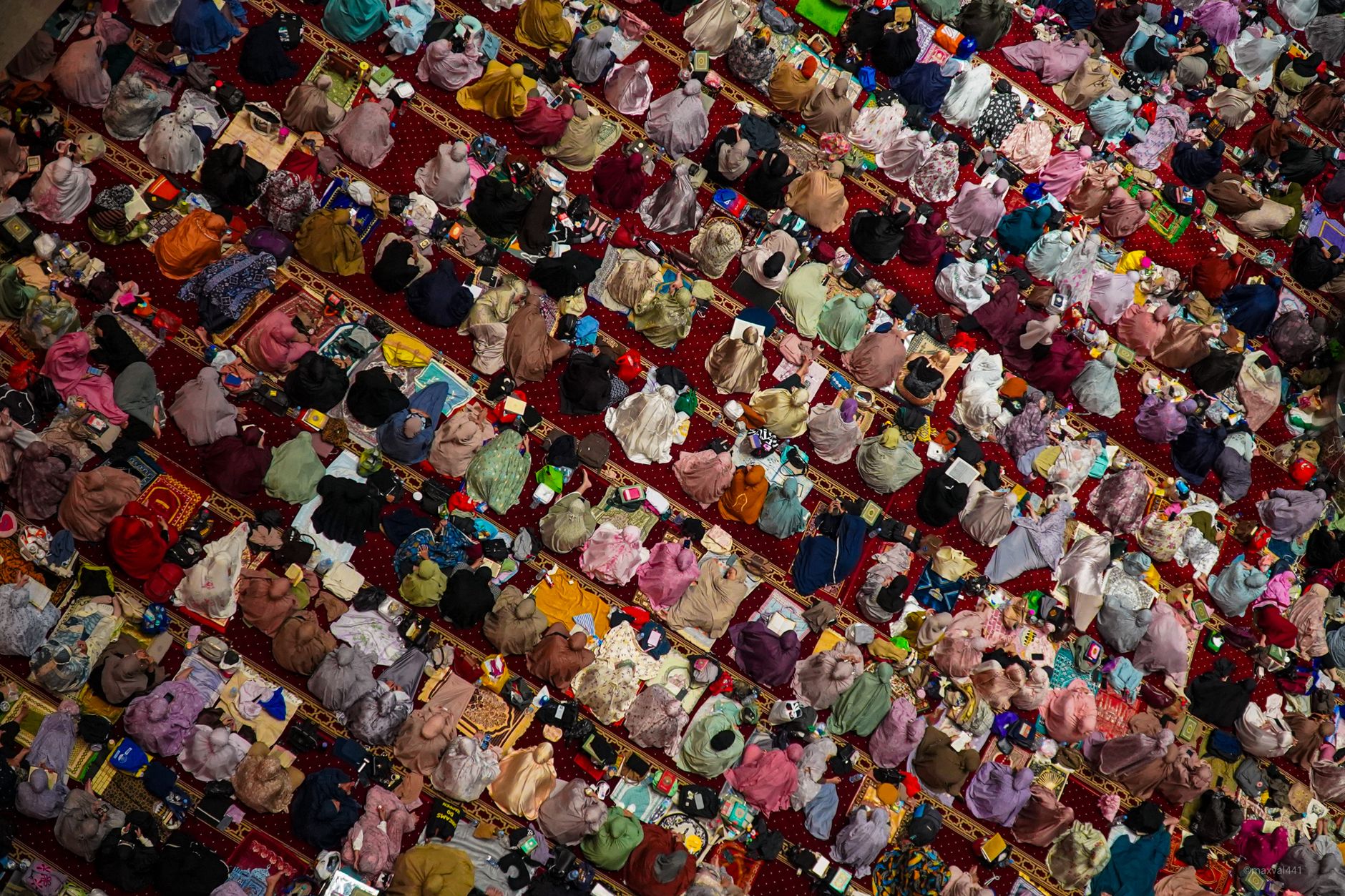
As vast wildfires scorch Indonesia's forests and critical peatlands, residents in affected provinces like South Sumatra are facing a severe environmental crisis. Choking haze, driven by a prolonged dry season and the intensifying El Nino, has blanketed cities, prompting thousands to gather for a special Islamic prayer for rain. This spiritual appeal underscores the desperate situation, highlighting the urgent need for action against fires that threaten public health, disrupt daily life, and contribute significantly to global emissions. Authorities are also battling the blazes with cloud seeding and arrests, but the call for rain shows the gravity of the challenge.
Indonesia is currently battling massive wildfires across its Sumatra and Kalimantan islands, leading to a severe environmental challenge. With thick, choking haze blanketing cities, residents in places like Palembang, the capital of South Sumatra, have turned to spiritual measures. Thousands gathered to perform a special Islamic prayer, or "salat istisqa," asking for rain. This desperate move comes as South Sumatra reports the highest number of wildfire hotspots nationwide, signaling the intense pressure on local communities.
The fires, fueled by a prolonged dry season and an intensifying El Nino weather pattern, are consuming vast areas of forests and vital peatlands. Satellite data shows thousands of hotspots, with hundreds of square kilometers burned in July alone. This widespread destruction creates a hazardous haze that reduces visibility, disrupts daily life and transportation, and poses significant health risks to the public. It also affects neighboring countries, leading to diplomatic concerns.
While communities pray for relief, emergency services are actively fighting the blazes through water-bombing and cloud-seeding operations to induce rainfall. Authorities have also stepped up efforts to address the root causes, arresting 72 individuals and investigating four companies suspected of illegally clearing land with fire. This practice, often used by plantation owners and farmers for cheap land preparation, is a recurring problem that underscores the urgent need for sustainable land management and stronger environmental protection to prevent such devastating climate impacts.